🚔 Crime & Justice
Live
Parents forced 10-year-old daughter to sleep on piece of plywood on bathtub until she died when teen brother set fire to home to escape abuse
A Georgia dad spent years abusing his children which led to the death of his 10-year-old who could not be rescued from a house fire because she was forced to sleep on a piece of plywood on a bathtub.…

Law & Crime — 15 June 2026
Text:
19
0
0
A Georgia dad spent years abusing his children which led to the death of his 10-year-old who could not be rescued from a house fire because she was fo
Read Full Story at Law & Crime →
⚡ Quickyla Analysis
Original editorial context — not sourced from the article above
The death of a 10-year-old girl in Georgia, forced to sleep on a piece of plywood over a bathtub as a form of punishment, before perishing in a house fire set by her brother attempting to escape abuse, is a harrowing example of systemic failures in child protection. What makes this case particularly devastating is not just the cruelty inflicted but the fact that the abuse went unchecked for years despite clear signs of escalating danger. The child’s confinement to a bathtub—a space with limited mobility and heightened fire risk—symbolizes the extreme measures some abusive caregivers take to control their victims, often under the guise of discipline. This case forces a reckoning with how child welfare systems, schools, and communities fail to recognize and intervene in patterns of abuse before they turn fatal.
Georgia, like many states, has struggled with underfunded child protective services and overburdened courts, leaving vulnerable children trapped in cycles of abuse. The fact that the siblings reportedly endured years of mistreatment before the fatal fire suggests gaps in mandatory reporting, school oversight, or even neighbor awareness. Had any authority figure intervened earlier, this tragedy might have been prevented. The brother’s desperate act of arson to escape the abuse also raises uncomfortable questions about the psychological toll on children who witness or endure prolonged cruelty without recourse.
Moving forward, this case could serve as a catalyst for policy reforms, such as mandatory cross-reporting between agencies, increased funding for crisis intervention programs, or stricter penalties for those who weaponize neglect as punishment. Yet the deeper issue remains societal: how do communities normalize the idea that children can be subjected to such conditions without immediate intervention? The broader trend of rising child mortality from abuse—particularly in under-resourced states—demands a shift from reactive measures to proactive prevention, including mental health support for at-risk families and public awareness campaigns that make abuse harder to ignore. Until then, children like this young girl will remain invisible until it’s too late.
Sources

🚔 Crime & Justice
Dad and daughter crushed to death by bulldozer that rolled off truck, landed on their vehicle after driver failed to properly secure it

🚔 Crime & Justice
Boyfriend used surprise flowers to lure pregnant girlfriend outside, then shot her in the head just weeks before the baby was due, cops and friends say

🚔 Crime & Justice
Daughter drained mom's 'life savings' while keeping her locked away in bedroom, refused to change her dirty Pampers as she suffered from dementia and Alzheimer's: Cops

🚔 Crime & Justice
8-month pregnant woman kills other woman whose child was fathered by the same man

🚔 Crime & Justice
'He's gonna pay': Man lured embattled school board member outside his home by shutting off his power before trying to kill him, cops say
🚔 Crime & Justice
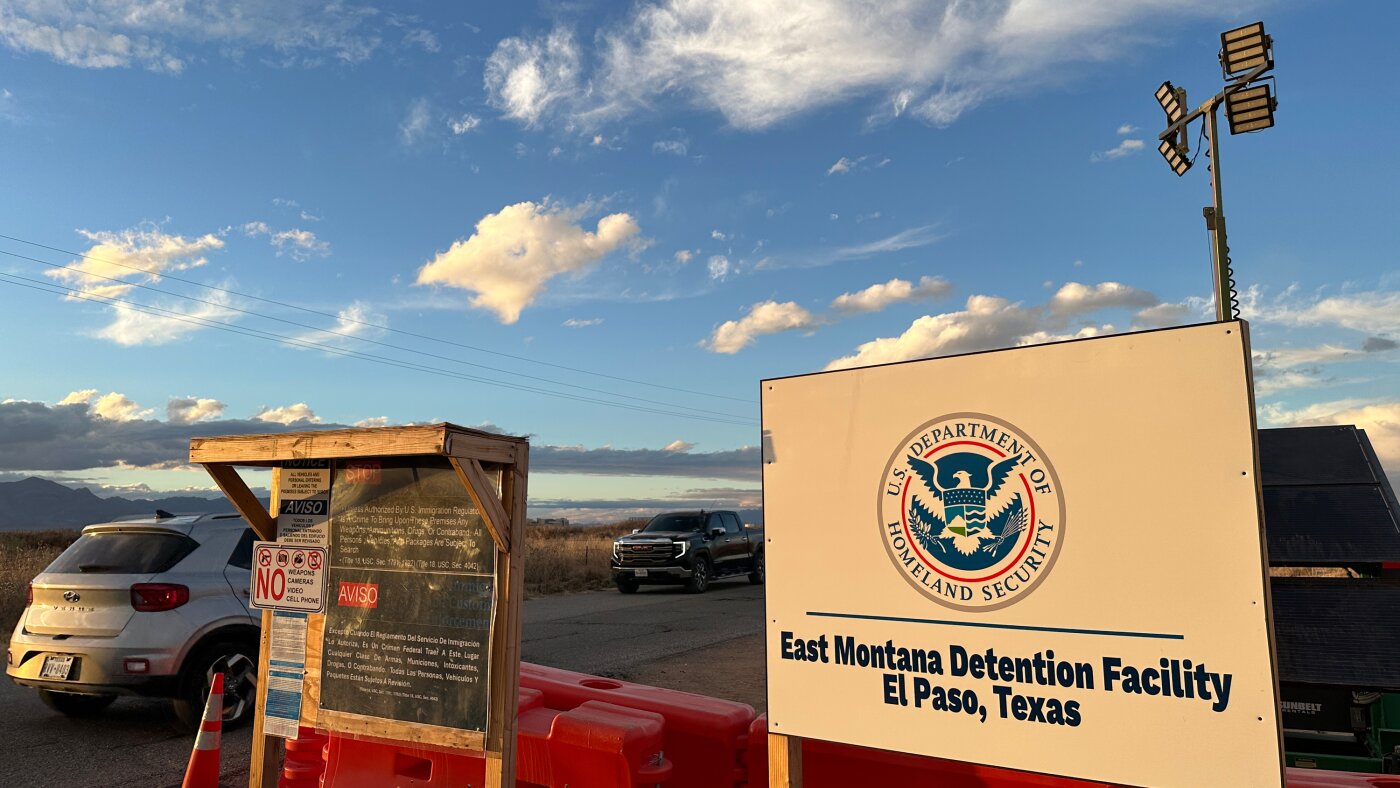
Immigrant detainees sue over 'horrific' conditions at Texas ICE facility

