🕌 Religion & Faith
Live
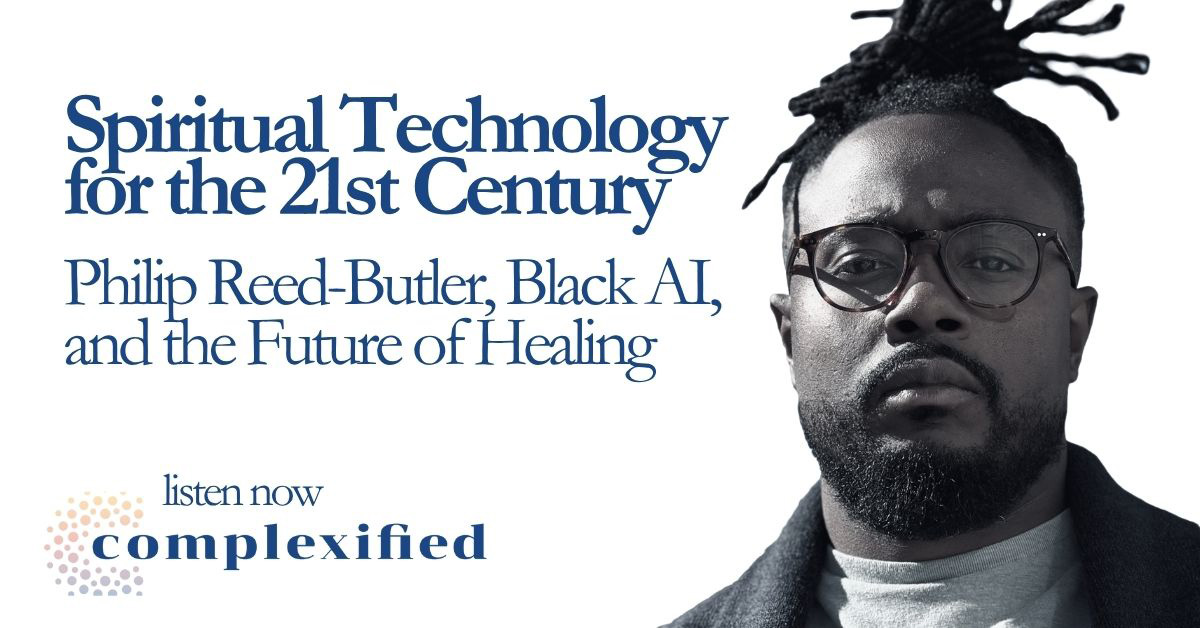
Philip Reed-Butler, Black AI and the future of healing
(RNS) — A theologian and technologist is building Black AI for the inner life, where healing begins with imagination.
Religion News Service — 16 June 2026
Text:
38
0
0
(RNS) — A theologian and technologist is building Black AI for the inner life, where healing begins with imagination. This report comes from Religion
Read Full Story at Religion News Service →
⚡ Quickyla Analysis
Original editorial context — not sourced from the article above
The intersection of theology, technology, and racial justice is rarely explored with such deliberate intention as in the work of Philip Reed-Butler, whose efforts to develop Black AI for inner healing challenge the dominant narratives of both artificial intelligence and mental health care. At its core, this project isn’t just about creating another chatbot or algorithm—it’s a radical reimagining of how healing is conceived and delivered, particularly for communities that have long been marginalized by systems that either ignore their needs or pathologize their experiences. By centering Black epistemologies and spiritual traditions, Reed-Butler’s work raises urgent questions about who gets to define the parameters of mental wellness in an era where AI is increasingly mediating human connection.
The significance of this endeavor becomes clearer when considering the historical gaps in mental health care for Black populations. Mainstream psychology has often framed Black distress through deficit-based lenses, while also failing to account for cultural and communal modes of healing. Meanwhile, AI tools in mental health—from crisis hotlines to therapeutic chatbots—tend to be built by and for dominant cultural groups, perpetuating biases in both design and outcomes. Reed-Butler’s approach flips this script by asking: what if the algorithms guiding inner reflection were not just inclusive but affirming of Black identity, history, and spirituality? This isn’t merely an ethical tweak; it’s a fundamental challenge to the Eurocentric frameworks that have shaped both technology and theology.
The future of this work is as uncertain as it is promising. Will Black AI for healing gain traction in clinical settings, or will it remain a niche experiment? Can it scale without losing the nuance of its cultural grounding? These questions highlight a broader tension in tech-driven social innovation: the risk of co-optation versus the potential for transformative change. What’s clear is that Reed-Butler’s project is part of a growing wave of efforts to reclaim technology as a tool for liberation rather than assimilation. As AI becomes more embedded in daily life, the stakes couldn’t be higher—will it deepen existing inequities, or could it become a vehicle for collective healing? The answer may well depend on whether projects like this one are allowed to thrive beyond the margins.
Sources

🕌 Religion & Faith
Defense Department rejiggers list of recognized religions after backlash, narrows it to 30
🕌 Religion & Faith
Odiong guilty in Texas: Questions remain for several Church leaders

🕌 Religion & Faith
Trump’s latest attack on Leo XIV isn’t really about the pope

🕌 Religion & Faith
Pope Leo XIII updates just war theory

🕌 Religion & Faith
Photos of the Week: Ebola responses, end of Hajj
🕌 Religion & Faith
High hopes, many challenges for Bangladesh’s first Indigenous Catholic MP

