🕌 Religion & Faith
Live
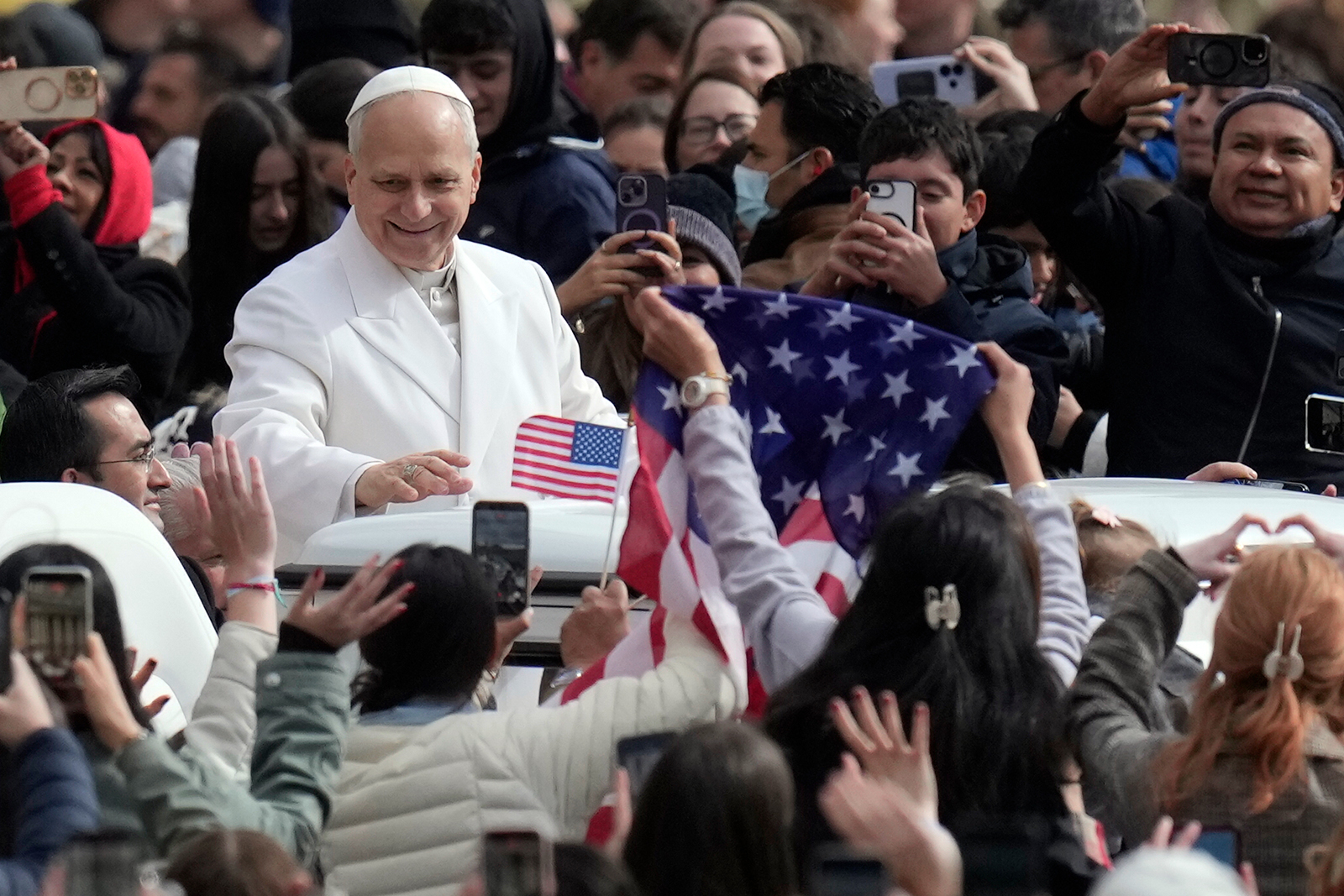
Pope Leo is very popular, though partisan polarization is growing, survey finds
(RNS) — More than three-quarters (78%) of US Catholics expressed favorable views of Leo, and about one in 10 (12%) expressed unfavorable views.
Religion News Service — 18 June 2026
Text:
26
0
0
(RNS) — More than three-quarters (78%) of US Catholics expressed favorable views of Leo, and about one in 10 (12%) expressed unfavorable views. This
Read Full Story at Religion News Service →
⚡ Quickyla Analysis
Original editorial context — not sourced from the article above
The new survey revealing Pope Leo’s strong approval among U.S. Catholics—78% favorable, 12% unfavorable—arrives at a moment when institutional religion is simultaneously resurgent and deeply fragmented. While papal popularity is not unprecedented, the partisan polarization complicating Leo’s reception underscores a broader crisis in how authority is perceived in America. The poll suggests that, for many Catholics, the papacy remains a unifying symbol even as political divides fracture institutional trust. But this apparent consensus masks underlying tensions: Leo’s traditionalist rhetoric and progressive pastoral gestures attract different constituencies, and his ability to bridge them may determine whether his popularity endures or fractures.
Partisan polarization has reshaped religious identity in ways that were not as pronounced a generation ago. Where once denominational loyalty often transcended politics, now Catholic identity increasingly aligns with ideological camps—liberal Catholics gravitate toward inclusive messaging, while conservative Catholics seek affirmation of doctrinal rigidity. Leo’s appeal across this spectrum may reflect savvy communication, but it also risks diluting his moral authority if perceived as accommodating both sides without clear direction. The survey’s low unfavorable rating (12%) is striking, yet it does not capture the intensity of support or opposition. A pope who is broadly liked but not deeply loved may struggle to mobilize Catholics on contentious issues like abortion, climate change, or LGBTQ+ inclusion.
Looking ahead, the critical question is whether Leo’s popularity translates into influence. Can he mediate internal church disputes over synodality and doctrine, or will polarization within the U.S. hierarchy overshadow his leadership? Externally, his stance on global conflicts, migration, and economic inequality could either reinforce his cross-partisan appeal or expose its limits. As American Catholicism continues to splinter along ideological lines, the papacy’s role as a potential counterweight to secular polarization may be the most significant test yet. The survey suggests hope, but the real challenge lies in sustaining unity without surrendering to division.
Sources

🕌 Religion & Faith
Defense Department rejiggers list of recognized religions after backlash, narrows it to 30

🕌 Religion & Faith
Odiong guilty in Texas: Questions remain for several Church leaders

🕌 Religion & Faith
Pope Leo XIII updates just war theory
🕌 Religion & Faith
Trump’s latest attack on Leo XIV isn’t really about the pope

🕌 Religion & Faith
High hopes, many challenges for Bangladesh’s first Indigenous Catholic MP

🕌 Religion & Faith
Photos of the Week: Ebola responses, end of Hajj

