Pope Leo says culture of ‘profit and performance’ is hurting young people’s mental health
(RNS) — The pope, speaking at a youth vigil in Barcelona, warned Catholics not to spiritualize pain in ways that silence those who suffer.
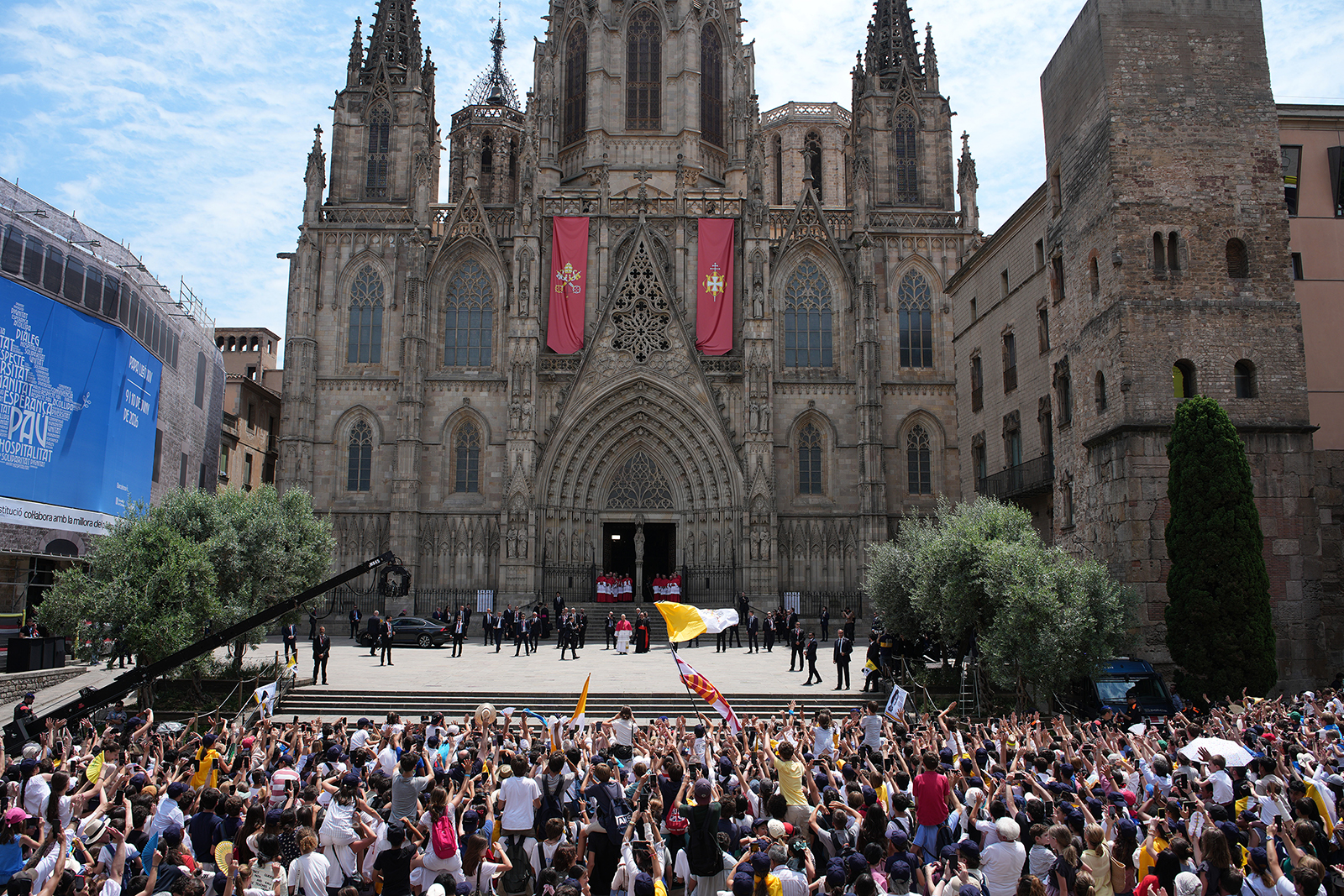
(RNS) — The pope, speaking at a youth vigil in Barcelona, warned Catholics not to spiritualize pain in ways that silence those who suffer. This repor
Read Full Story at Religion News Service →Why This Matters
The pope’s remarks underscore a growing tension between institutional religion and the lived experiences of younger generations, who increasingly reject frameworks that dismiss mental health struggles as merely spiritual failings. By framing systemic pressures like profit-driven culture as direct threats to young people’s well-being, the pontiff is aligning the Church with a broader cultural reckoning over capitalism’s psychological toll. This could reshape how faith communities address suffering in an era where economic precarity and digital burnout are reshaping human resilience.
Background Context
Catholicism’s relationship with mental health has long been fraught with stigma, particularly in conservative circles where suffering is often framed as a test of faith or a path to purification. Meanwhile, Spain’s youth face some of Europe’s highest rates of youth unemployment and precarious employment, a legacy of the 2008 financial crisis and austerity measures that reshaped labor markets. Barcelona, a global hub for both Catholic pilgrimage and tech-driven economic transformation, sits at the nexus of these competing forces.
What Happens Next
Church leaders may face pressure to translate the pope’s rhetoric into concrete pastoral reforms, such as expanding mental health resources within parishes or revisiting doctrinal stances on suffering. Observers will watch whether this message resonates beyond traditional Catholic circles, particularly in secular or progressive Christian circles where critiques of capitalism have gained traction. The Vatican’s next encyclical or synodal document could reveal whether this is a passing rhetorical flourish or a sustained theological shift.
Bigger Picture
This moment reflects a wider global conversation about the intersection of faith, economics, and mental health, where institutions—religious or otherwise—are being asked to confront the human costs of systemic pressures. It also highlights how traditional power structures are adapting (or resisting) to the demands of younger generations, who increasingly view institutional authority through the lens of social and psychological justice. The Church’s response could influence not just its own future but the broader role of religion in public life amid overlapping crises.