Pro-Europe party wins Armenian election
A pro-European party has won Armenia's election, despite what watchdogs called blatant "interference" and "pressure" by Russia.
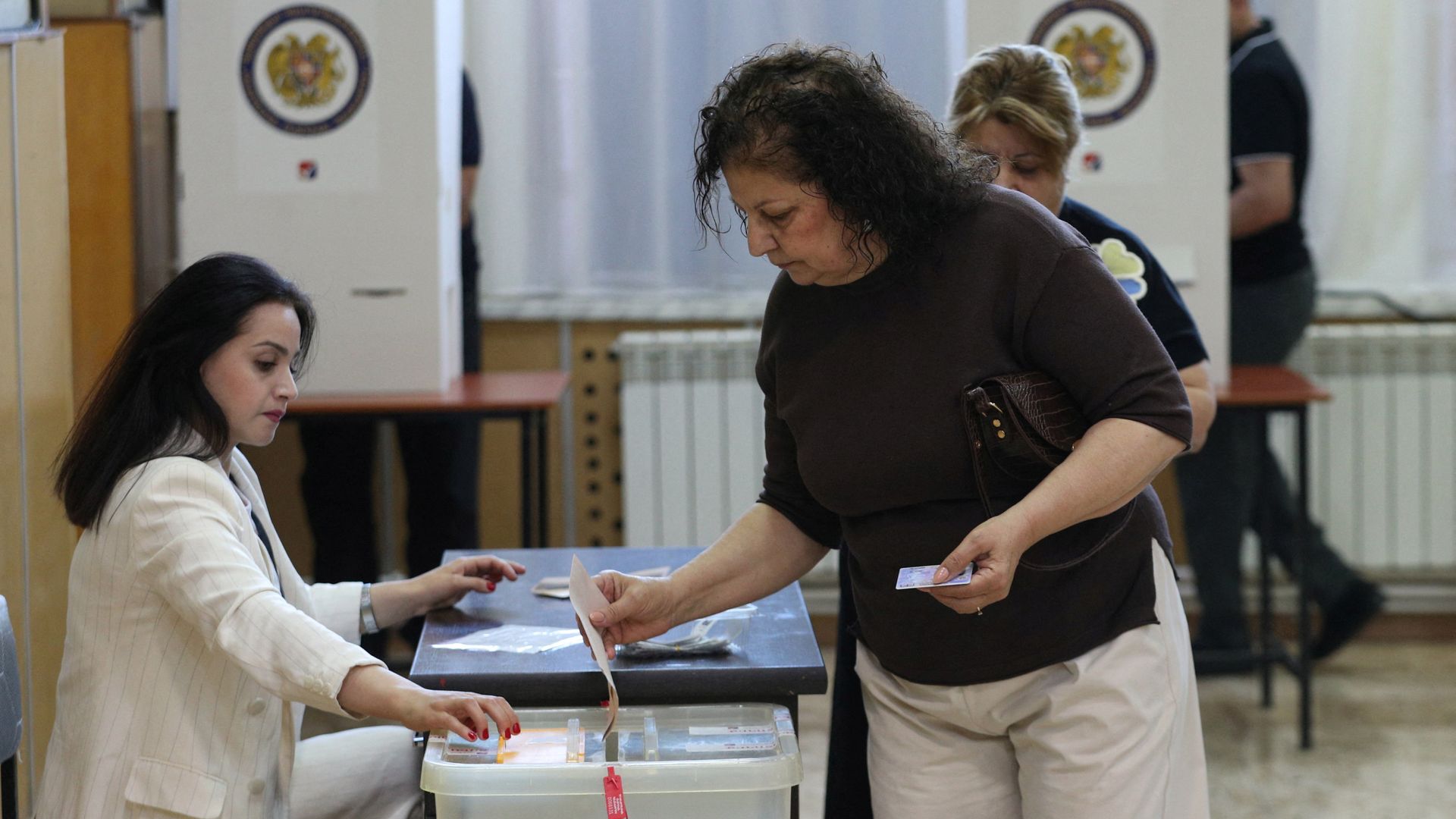
A pro-European party has won Armenia's election, despite what watchdogs called blatant "interference" and "pressure" by Russia. This report comes fro
Read Full Story at Sky News →Why This Matters
The outcome signals a potential realignment in Armenia’s foreign policy, breaking from decades of Russian dominance and signaling a shift toward Western integration. It challenges Moscow’s traditional sphere of influence in the South Caucasus, a region where Russia has long treated neighboring states as within its exclusive domain. The result may embolden other post-Soviet nations to reconsider their allegiances amid rising pressures from both Moscow and Brussels.
Background Context
Armenia’s political landscape has been shaped by its 2020 war with Azerbaijan over Nagorno-Karabakh, which exposed vulnerabilities in its security relationship with Russia despite formal alliance obligations. The country’s economic and military dependence on Russia has frayed since the invasion of Ukraine, particularly as trade disruptions and remittance reductions strained living standards. Pro-European sentiment has grown amid frustration with corruption, perceived Russian interference, and the perception that Moscow failed to adequately support Armenia during its territorial losses.
What Happens Next
The incoming government will face immediate pressure to balance its pro-European mandate with Armenia’s strategic realities, including its security ties to Russia and economic ties to the Eurasian Economic Union. Key tests will include negotiations on a new cooperation agreement with the EU and whether Armenia seeks EU membership—a move likely to provoke a sharp response from Moscow. Domestic stability will also hinge on whether the ruling party can deliver on promises of reform while managing opposition from entrenched interests tied to the previous regime.
Bigger Picture
This election reflects a broader trend of post-Soviet states reassessing their geopolitical alignments as Russia’s regional influence wanes and the EU expands its outreach. It underscores how conflicts, economic hardship, and public dissatisfaction can accelerate shifts away from Moscow’s orbit, even in traditionally loyal states. The result may accelerate the EU’s efforts to deepen engagement in the South Caucasus, though long-term success will depend on whether it can offer tangible alternatives to Russian patronage.







