Waste firms propose £5 vape deposit to cut litter
Waste firms propose a £5 deposit on vapes to reduce litter and fires, as current recycling efforts fail—only 20% are recycled, and discarded devices spark dangerous fires in waste trucks. Critics arg…
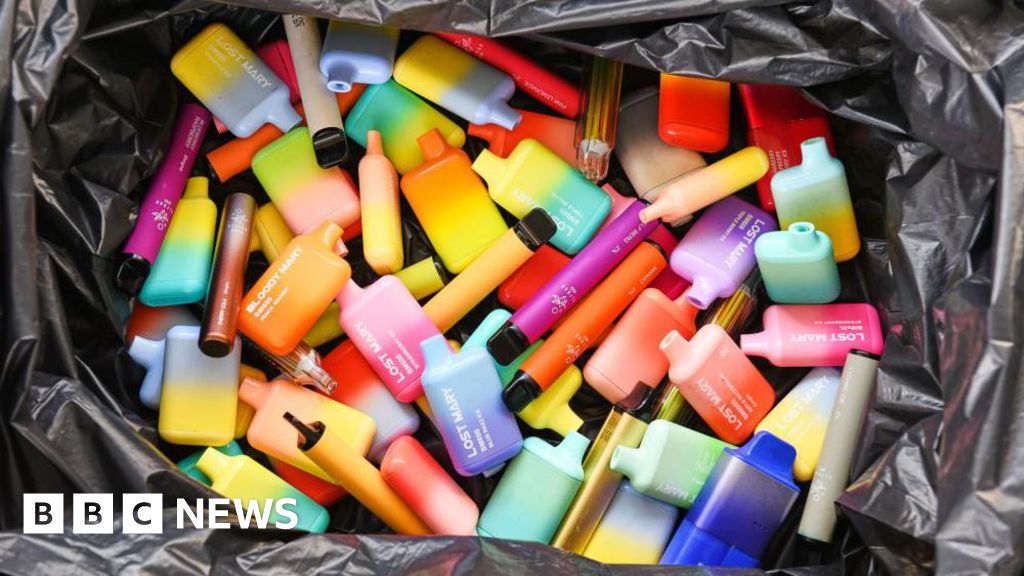
Waste companies are pushing for a £5 deposit on vapes to slash littering and fire risks, warning that last year’s ban on disposable models has failed
Read Full Story at BBC Business →Why This Matters
The proposal reflects a growing recognition that the UK’s e-waste crisis extends far beyond mere littering—it poses real environmental, financial, and safety risks that current policies have failed to address. By targeting consumer behavior through economic incentives, the £5 deposit scheme could set a precedent for how disposable products with high recycling costs are regulated, potentially influencing broader debates on extended producer responsibility.
Background Context
Single-use vapes have surged in popularity among young people, with the UK consuming an estimated 1.3 million devices weekly—most ending up in landfills or waste streams ill-equipped to handle their lithium-ion batteries and plastic components. The fires sparked by improperly discarded vapes in waste trucks have already cost local authorities millions in damages and emergency responses, yet recycling rates remain stubbornly low due to logistical barriers and public apathy.
What Happens Next
If the deposit scheme gains traction, the next challenge will be enforcing compliance across retailers and waste processors, particularly as illegal vapes flood the market. Industry pushback is likely, given the added operational costs, while consumer acceptance remains uncertain—especially if the refund process proves cumbersome. Meanwhile, fire services will be watching closely to see if the measure reduces waste truck incidents.
Bigger Picture
This debate sits at the intersection of public health, environmental policy, and corporate accountability, mirroring similar battles over plastic packaging and battery waste. As disposable vapes become a cultural norm, the UK’s response could signal whether policymakers are willing to disrupt convenience-driven consumption—or continue relying on reactive, piecemeal solutions.