Qatar spent decades building its reputation. Deporting Bahá’ís threatens to undo it.
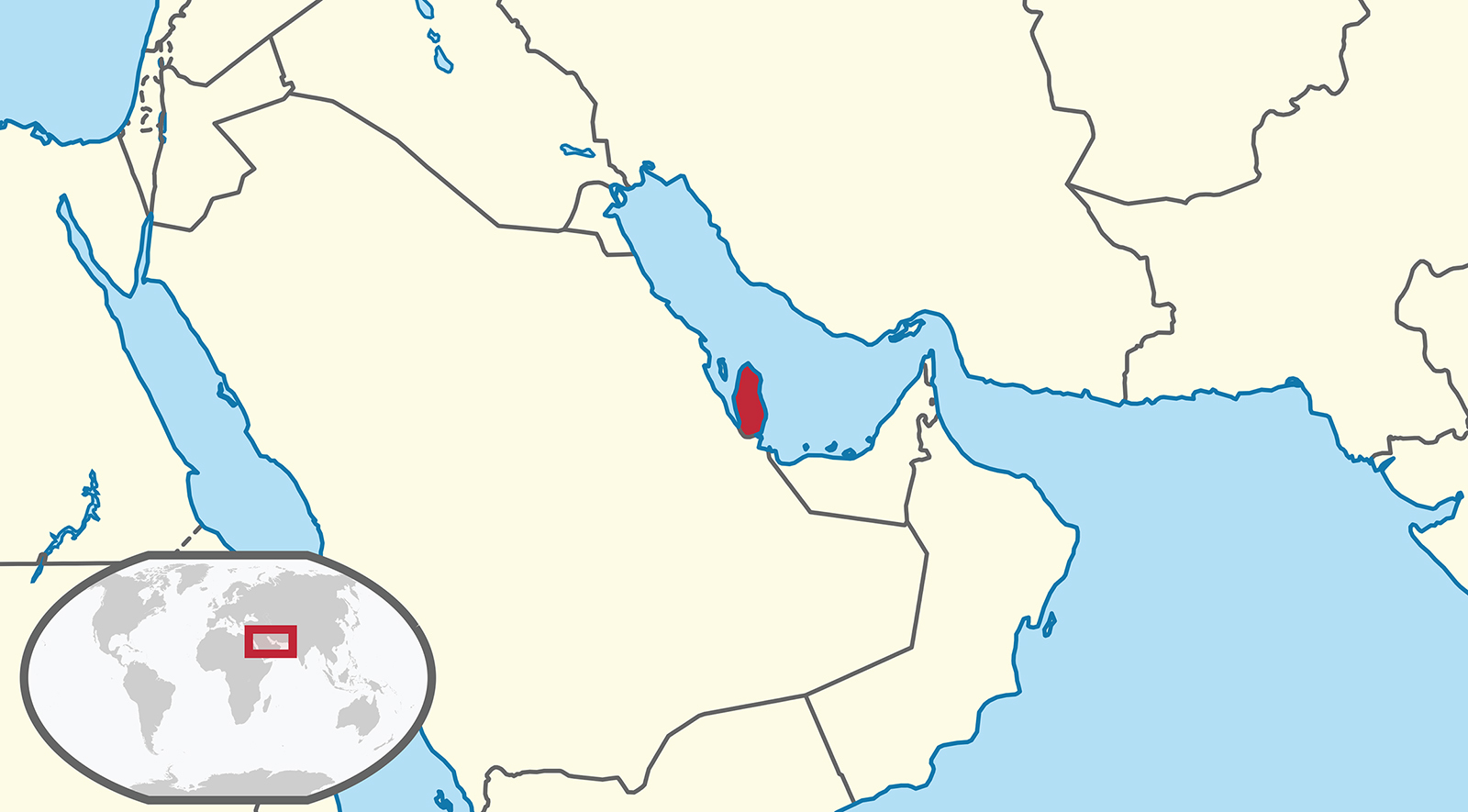
(RNS) — In recent weeks, nearly half of the few hundred remaining Baha’is in Qatar have been threatened with detentions, non-renewal of work permits and forceful deportation.
(RNS) — In recent weeks, nearly half of the few hundred remaining Baha’is in Qatar have been threatened with detentions, non-renewal of work permits a
Read Full Story at Religion News Service →Why This Matters
Qatar’s campaign against Bahá’ís marks a stark departure from its carefully cultivated image as a modernizing Gulf state that balances Islamic tradition with cosmopolitan openness. The erosion of religious pluralism in a nation hosting the world’s most influential faith-based diplomacy risks undermining its credibility as a mediator in global interfaith dialogue and a champion of progressive labor reforms.
Background Context
Bahá’ís, a persecuted minority in the Middle East, have maintained a quiet but persistent presence in Qatar since the 19th century, often operating under state tolerance despite their faith’s controversial status in neighboring Saudi Arabia and Iran. The Gulf nation has relied on its reputation as a hub for global institutions and sporting events to diversify its economy beyond hydrocarbons, a strategy now complicated by the escalation of religious restrictions.
What Happens Next
The immediate fate of the remaining Bahá’ís hinges on whether international pressure—from human rights organizations or diplomatic allies—can force Doha to reverse course before the deportations proceed. A prolonged crackdown could prompt a reappraisal of Qatar’s alliances, particularly with Western governments that have framed the country as a stabilizing force in the region. The timing of this purge, coinciding with Qatar’s hosting of global events, may also test the limits of its soft power.
Bigger Picture
This episode reflects a growing pattern in Gulf monarchies where states selectively embrace modernization while tightening control over dissent, including religious minorities, to placate conservative domestic audiences. The shift challenges the narrative of Gulf exceptionalism, revealing the fragility of pluralism in nations that depend on global engagement for economic survival.