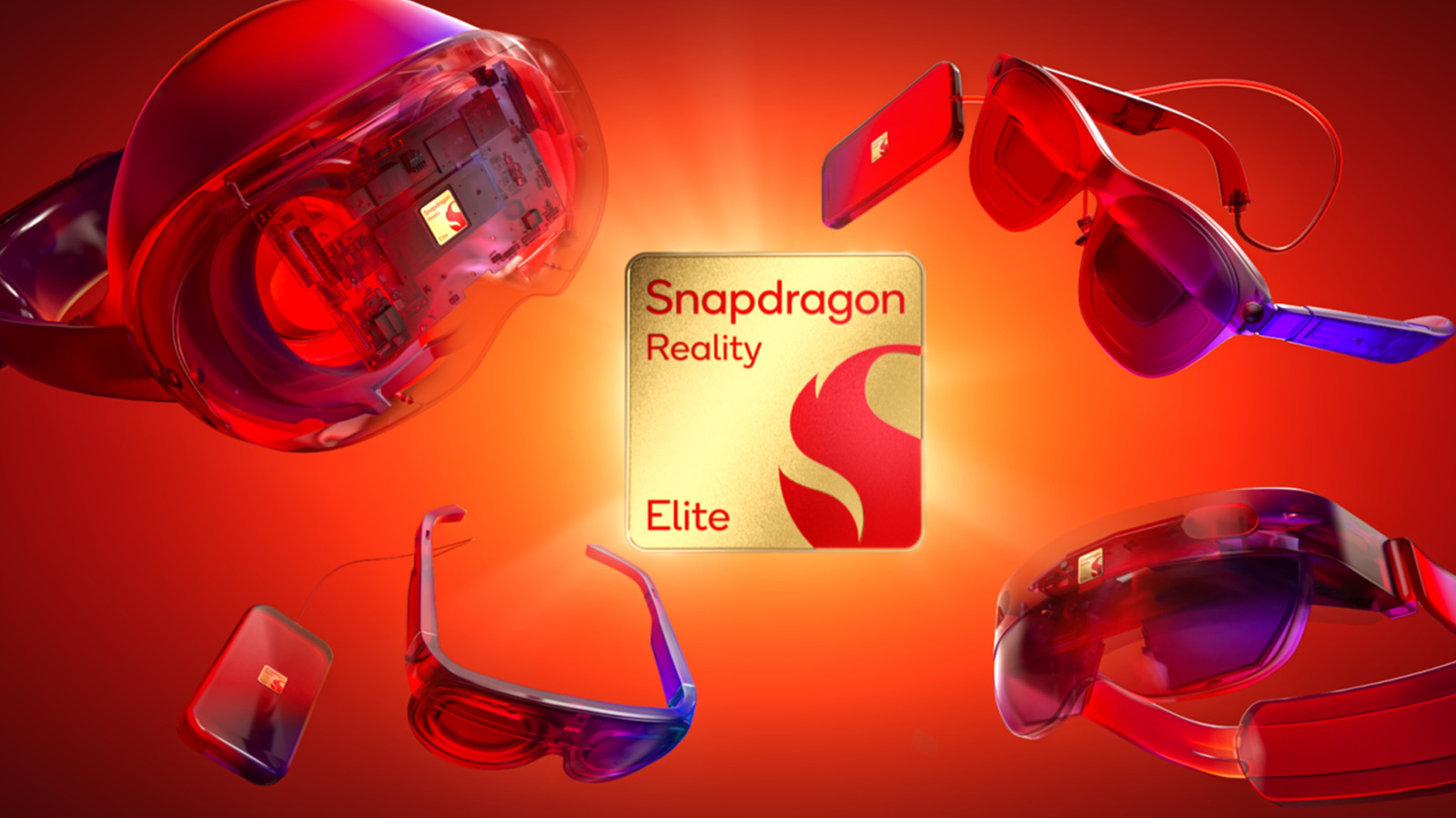
Qualcomm unveils its Snapdragon Reality Elite chip for next-gen AR headsets
The company also debuted a new platform for brands wanting to build their own AI glasses. High-end augmented reality and mixed reality devices are set to get a boost thanks to Qualcomm's latest XR c…
Engadget — 16 June 2026
Text:
15
0
0
The company also debuted a new platform for brands wanting to build their own AI glasses. High-end augmented reality and mixed reality devices are se
Read Full Story at Engadget →
⚡ Quickyla Analysis
Original editorial context — not sourced from the article above
Qualcomm’s announcement of the Snapdragon Reality Elite chip and its AI glasses platform signals a pivotal moment not just for augmented and mixed reality, but for the broader trajectory of wearable computing. The move underscores how deeply the XR industry is shifting from niche experimentation to mainstream viability, where performance, power efficiency, and developer accessibility are converging to make once-futuristic concepts commercially practical. Unlike earlier generations of AR headsets, which often struggled with bulky designs, overheating, or limited software ecosystems, the Reality Elite’s focus on optimized processing for spatial computing suggests a leap toward devices that can rival smartphones in utility—if not in sheer scale of adoption.
What makes this development particularly significant is its timing. The AR/VR market has long awaited a hardware breakthrough that could justify the hype around "spatial computing," a term popularized by Apple’s Vision Pro but now being embraced by a wider range of players. Qualcomm’s strategy, by offering both a high-end chipset and a modular platform for brands, effectively lowers the barrier to entry for manufacturers. This could accelerate competition, diversify product offerings, and potentially drive down costs—critical steps if AR glasses are to escape the confines of early adopters and enter everyday use cases like navigation, remote assistance, or immersive workspaces.
Yet questions linger. The success of this platform hinges on software: whether developers will build compelling, platform-agnostic applications that leverage its capabilities, and whether consumers will see enough day-to-day value to justify the investment. The broader trend here is the blurring line between AR, VR, and AI—where glasses become not just displays but intelligent interfaces that adapt to context. If Qualcomm’s vision holds, we may soon see a world where wearing a pair of glasses isn’t just about correcting vision, but about augmenting reality itself. The real test will be whether the hardware can deliver on the promise before the next wave of novelty wears off.
Sources

💻 Technology
You can now beat ChatGPT Codex rate limits, if you have friends

💻 Technology
Meta is reportedly developing an AI pendant

💻 Technology
Cash App made a magic wand for contactless payments

💻 Technology
Coders are refusing to work without AI — and that could come back to bite them

💻 Technology
Hackers hijacked Instagram accounts by tricking Meta AI support chatbot into granting access

💻 Technology
Asus gives the ROX Xbox Ally the OLED screen it deserves

