📈 Markets & Finance
Live
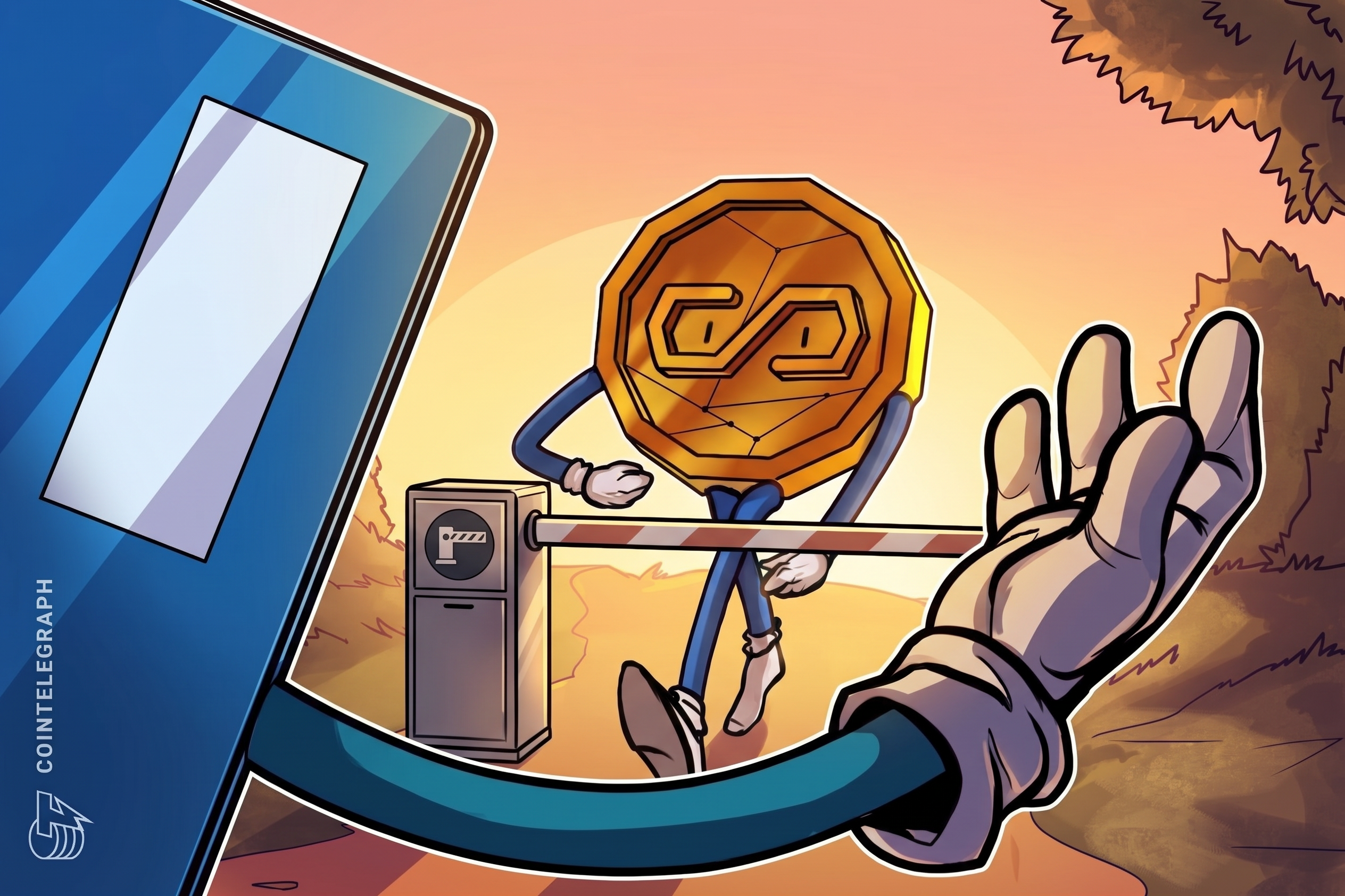
Ready USDC card halts non-EEA service after issuer change, users report
Users reported losing access to Ready’s USDC card outside the EEA after a card provider change triggered rapid deactivation notices.
CoinTelegraph — 17 June 2026
Text:
11
0
0
Users reported losing access to Ready’s USDC card outside the EEA after a card provider change triggered rapid deactivation notices. This report come
Read Full Story at CoinTelegraph →
⚡ Quickyla Analysis
Original editorial context — not sourced from the article above
The sudden disruption to Ready’s USDC card service outside the European Economic Area (EEA) spotlights the fragility of cross-border stablecoin payment rails, particularly when reliant on third-party issuers. While the technical swap of card providers may seem routine, the rapid deactivation of cards—leaving users locked out of their funds—underscores a critical tension in crypto-native finance: regulatory compliance often trumps user convenience, and infrastructure built on fragile partnerships can collapse overnight. Ready’s decision to halt non-EEA service suggests that the issuer behind its cards, likely a traditional financial institution, is prioritizing strict adherence to the EU’s MiCA framework over broader accessibility. This is no small matter for the 1.5 million users who rely on such cards for daily transactions, especially in regions where USDC is a preferred dollar-denominated asset.
The incident also reveals deeper structural cracks in the stablecoin ecosystem. Many crypto debit cards operate through partnerships with licensed financial institutions, which can abruptly withdraw support when regulatory scrutiny intensifies. This dependency creates a paradox: the promise of seamless, borderless payments is undermined by the very institutions meant to facilitate them. For Ready, a platform known for its crypto-friendly stance, the shift reflects a broader industry trend where compliance costs are pushing smaller players out of less lucrative markets, leaving users in jurisdictions with looser regulations stranded. The EEA’s regulatory clarity—however burdensome—has become a de facto standard, and those unable to meet its demands risk exclusion.
Looking ahead, users may face two possible outcomes. Ready could negotiate with a new issuer willing to operate under MiCA’s parameters, though this would likely delay service restoration and could introduce further restrictions. Alternatively, affected users may be forced to migrate their funds to other stablecoin cards, such as those backed by more established fintech firms, or rely on peer-to-peer solutions—steps that may introduce new risks, including liquidity fragmentation and higher fees. The episode also raises broader questions about the sustainability of crypto debit cards in a tightening regulatory environment, particularly for smaller or regional players who lack the scale to absorb compliance costs. As stablecoins edge closer to mainstream financial infrastructure, this incident serves as a cautionary tale about the hidden vulnerabilities beneath the surface of seemingly seamless digital payment networks.
Sources
📈 Markets & Finance
Sam Altman says OpenAI's top token spender uses 100 billion tokens a month — and they're not even the world leader

📈 Markets & Finance
Intel, AMD, Micron shares sink as Broadcom results spark semiconductor sector sell-off
📈 Markets & Finance
A new NJ bill would hand pet owners up to $900 in tax credits — and your state could be next
📈 Markets & Finance
Addressing Investor Transparency, Updates from Euronet Worldwide’s (EEFT) First Analyst Day in a Decade

📈 Markets & Finance
This Smart‑Money Legend Won Big on Intel. The Rest of His Portfolio Might Be Even More Revealing

📈 Markets & Finance
MGM Resorts stock jumps as Barry Diller's People Inc. makes bid to take over the company


