🏛️ Politics
Live
Reform pledges new tax on hiring foreign workers
Reform UK says it would tax companies hiring foreigners, in order to reduce the National Insurance (NI) paid by employers on their British staff, if it won the next general election. The party argue…
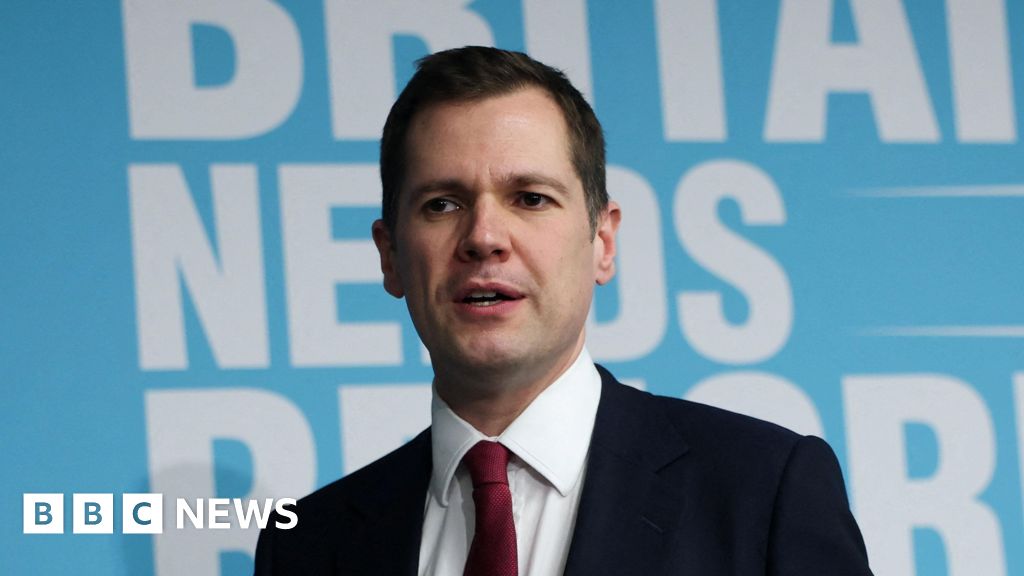
BBC Politics — 15 June 2026
Text:
23
0
0
Reform UK says it would tax companies hiring foreigners, in order to reduce the National Insurance (NI) paid by employers on their British staff, if i
Read Full Story at BBC Politics →
⚡ Quickyla Analysis
Original editorial context — not sourced from the article above
The proposal by Reform UK to impose a levy on firms that hire foreign workers—offset against reductions in employer National Insurance contributions—represents more than a policy adjustment. It signals a deeper reorientation of the UK’s economic nationalism, one that frames labour migration not as a net benefit but as a fiscal burden requiring redistribution. In an era where net migration has repeatedly surpassed official projections—reaching over 700,000 in 2022—such a policy reflects growing public anxiety over the strain on public services and wage suppression in certain sectors. Whether justified or not, this perception has fuelled political momentum for restrictions, even as businesses warn of labour shortages in healthcare, construction, and hospitality.
Importantly, this idea is not entirely novel. During the Brexit negotiations, the UK government floated a skills levy on overseas workers to fund domestic training programmes. The current proposal, however, escalates the logic by tying it directly to employer costs, effectively internalising the political cost of migration within corporate balance sheets. This could reshape hiring incentives, particularly for sectors reliant on non-EU labour, such as social care and agriculture, where wage floors and skill gaps already complicate recruitment.
Yet the proposal raises critical questions. How would such a tax be calibrated to avoid penalising industries genuinely struggling to fill roles? Would small businesses, already grappling with rising costs, bear a disproportionate burden? And crucially, could this approach coexist with existing visa schemes, or would it risk a brain drain if high-skilled migrants reconsider opportunities in the UK?
Broader trends underscore the significance of this debate. Across Europe, centre-right and far-right parties are increasingly weaponising migration in economic policy, framing it as a fiscal trade-off rather than a demographic necessity. Meanwhile, demographic pressures in the UK—an ageing population and low birth rates—demand a nuanced approach to immigration, balancing short-term labour needs with long-term sustainability. Reform UK’s proposal, whether electorally appealing or economically prudent, forces a confrontation with these contradictions, pushing migration from the political margins into the heart of economic policymaking.
Sources

🏛️ Politics
"Fujimori never again!" Protesters fill streets of Lima ahead of Peru presidential elections

🏛️ Politics
Trump: Reports US, Iran stopped speaking ‘false and erroneous’

🏛️ Politics
Secretary of State Marco Rubio faces questions about Iran war on Capitol Hill

🏛️ Politics
US not 'turning back' on Asia allies, but expects them to boost defence, says Hegseth

🏛️ Politics
Pence: There’s ‘clearly” been an effort to ‘rewrite’ Jan. 6 history

🏛️ Politics
Washington, Silicon Valley brace for AI job losses


