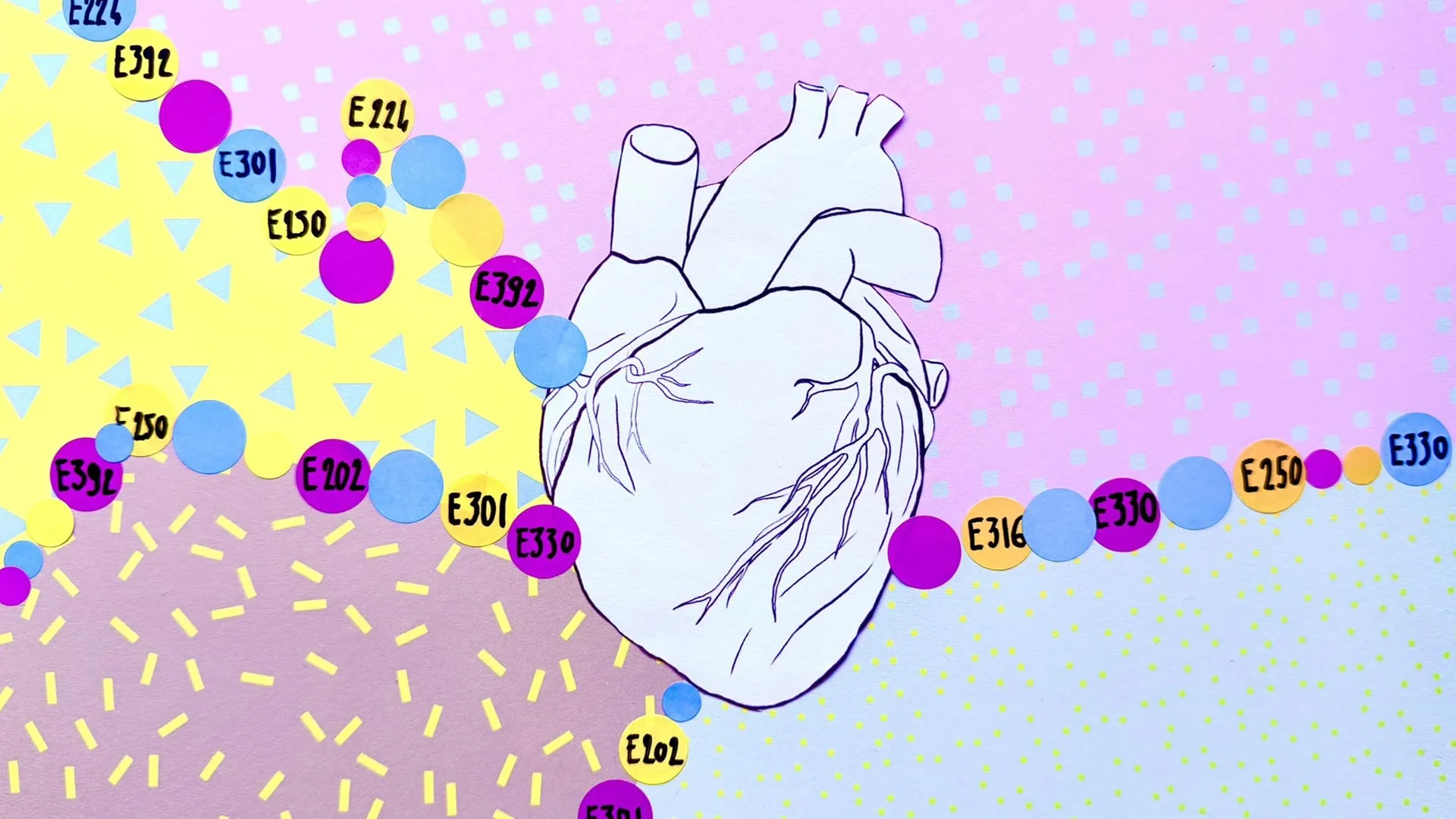
Researchers found 8 common food additives linked to high blood pressure and heart disease
A major study of more than 112,000 people found that eating foods containing common preservatives may be linked to a higher risk of high blood pressure and heart-related diseases. Researchers tracked…
ScienceDaily — 17 June 2026
Text:
13
0
0
A major study of more than 112,000 people found that eating foods containing common preservatives may be linked to a higher risk of high blood pressur
Read Full Story at ScienceDaily →
⚡ Quickyla Analysis
Original editorial context — not sourced from the article above
The discovery that eight common food additives may raise the risk of high blood pressure and heart disease is more than an isolated finding—it underscores a growing tension between modern food manufacturing and long-term public health. These additives, often found in processed foods, are regulated as safe in controlled doses, yet their cumulative effect in diets high in ultra-processed options remains poorly understood. The study’s scale—tracking over 112,000 people—lends weight to its concerns, suggesting that even subtle, long-term exposure could have measurable health consequences. This isn’t just about individual choices; it reflects broader shifts in how food is produced, marketed, and consumed globally, where convenience often trumps nutritional integrity.
A critical context often overlooked is the regulatory lag between additive approval and real-world health outcomes. Many preservatives and emulsifiers were greenlit decades ago based on short-term safety studies, before chronic diseases like hypertension became as prevalent as they are today. Emulsifiers, for example, alter gut microbiota in ways that may promote inflammation—a known driver of cardiovascular risk—but such mechanisms were scarcely on scientists’ radar when these additives first entered the food supply. Meanwhile, ultra-processed foods now make up over half of the average American’s diet, meaning even small risks per serving could compound into significant public health burdens.
The open questions are substantial. Will regulators revisit additive safety thresholds as more evidence emerges? Could this prompt a shift toward "clean label" manufacturing, where synthetic preservatives are replaced by natural alternatives? Or will consumers, already grappling with conflicting nutritional advice, simply tune out yet another warning? The study also raises equity concerns: processed foods are often cheaper and more accessible than fresh options, meaning lower-income populations could bear the brunt of any policy changes.
This research arrives at a pivotal moment, as global health agencies increasingly target ultra-processed foods in obesity and diabetes prevention strategies. If these additives are confirmed as risk factors, the food industry may face pressure to reformulate products—or risk backlash from a public growing more skeptical of artificial ingredients. The stakes aren’t just scientific; they’re economic and political, with the potential to reshape an industry worth trillions.
Sources

🔬 Science
'Astonishing': James Webb telescope spots the most chemically primitive galaxy in the ancient universe

🔬 Science
El Niño Is Underway

🔬 Science
Astronomers gaze into the 'Crystal Ball Nebula' and see a vision of our dying sun — Space photo of the week

🔬 Science
Bacteria uncover distinct strategy to import rare sugar polymers, crystal structures show

🔬 Science
NASA Awards Contract for Johnson Space Center Infrastructure

🔬 Science
Repairing DNA damage: Scientists discover a surprising new benefit of melatonin

