📈 Markets & Finance
Live
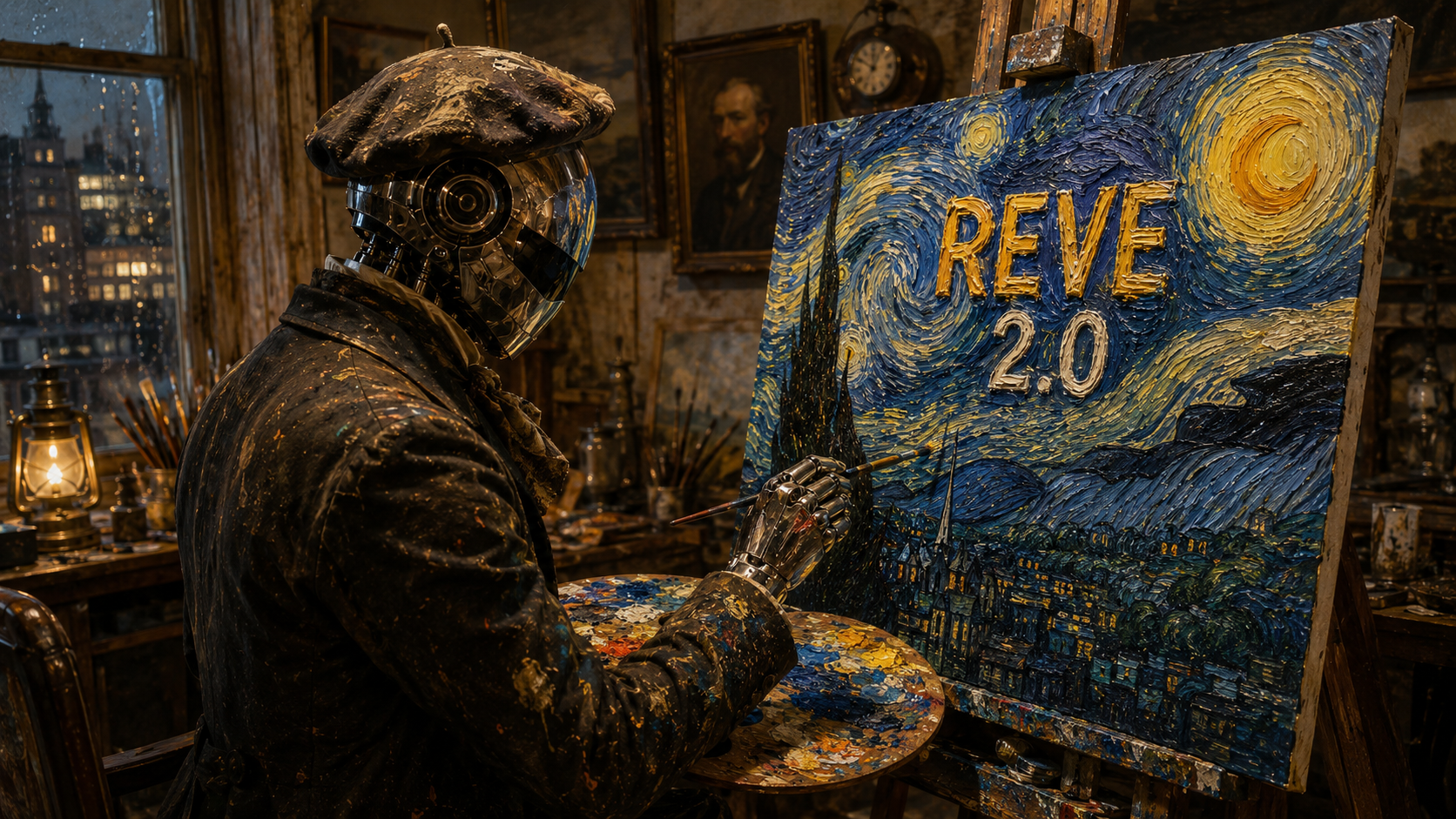
Reve 2.0 Review: The Best AI Image Generator for Layout Control
The startup that beat Midjourney at a penny per image is back with a 4K model that plans pictures like code—and refuses far less than its rivals
Decrypt — 14 June 2026
Text:
21
0
0
The startup that beat Midjourney at a penny per image is back with a 4K model that plans pictures like code—and refuses far less than its rivals This
Read Full Story at Decrypt →
⚡ Quickyla Analysis
Original editorial context — not sourced from the article above
The launch of Reve 2.0 marks a quiet but meaningful shift in the generative AI landscape—not just as another benchmark in image quality, but as a potential inflection point in how users interact with AI creativity. Unlike its predecessors, which often treated image generation as a black box, Reve’s new 4K model introduces a structured approach, framing compositions almost as executable code. This shift matters because it addresses a longstanding frustration in AI art: the lack of precision. Traditional models excel at stylistic flair but struggle with layout consistency, forcing users to rely on laborious prompt engineering or post-processing. By treating image generation as a modular system, Reve 2.0 could appeal to designers, architects, and advertisers who need reliable control over spatial relationships—a cohort that has largely remained on the sidelines of AI adoption due to these limitations.
This development arrives amid a broader reckoning with the trade-offs between speed, cost, and customization in AI tools. Reve’s initial success—beating Midjourney on cost—hinted at a market hungry for alternatives that don’t force users to choose between affordability and functionality. Now, with its 4K upgrade and layout-aware approach, the startup is positioning itself as a middle ground between high-fidelity professional tools and the more chaotic, creative-first models like DALL·E or Stable Diffusion. The question is whether this technical refinement will translate into broader adoption or remain a niche solution for users with specific needs.
What remains uncertain is how Reve 2.0 will handle edge cases—complex scenes with multiple interacting elements, for instance, or requests that blend unconventional aesthetics with strict spatial requirements. Competitors may also respond by integrating similar layout controls, turning this into a feature arms race rather than a lasting advantage. For now, Reve’s bet on precision over pure generative freedom reflects a growing divide in the AI art space: one where users increasingly demand not just beauty, but control. The next phase will reveal whether that’s enough to disrupt the dominance of the market’s heavier hitters—or if it’s just another layer in an already crowded ecosystem.
Sources
📈 Markets & Finance
Sam Altman says OpenAI's top token spender uses 100 billion tokens a month — and they're not even the world leader

📈 Markets & Finance
Intel, AMD, Micron shares sink as Broadcom results spark semiconductor sector sell-off
📈 Markets & Finance
A new NJ bill would hand pet owners up to $900 in tax credits — and your state could be next
📈 Markets & Finance
Addressing Investor Transparency, Updates from Euronet Worldwide’s (EEFT) First Analyst Day in a Decade

📈 Markets & Finance
This Smart‑Money Legend Won Big on Intel. The Rest of His Portfolio Might Be Even More Revealing

📈 Markets & Finance
MGM Resorts stock jumps as Barry Diller's People Inc. makes bid to take over the company


