Ripple CEO Takes Aim at JPMorgan's Jamie Dimon Over Clarity Act Crypto Bill Criticism
Ripple's Brad Garlinghouse spoke out against JPMorgan CEO Jamie Dimon and his comments on the key piece of crypto legislation.
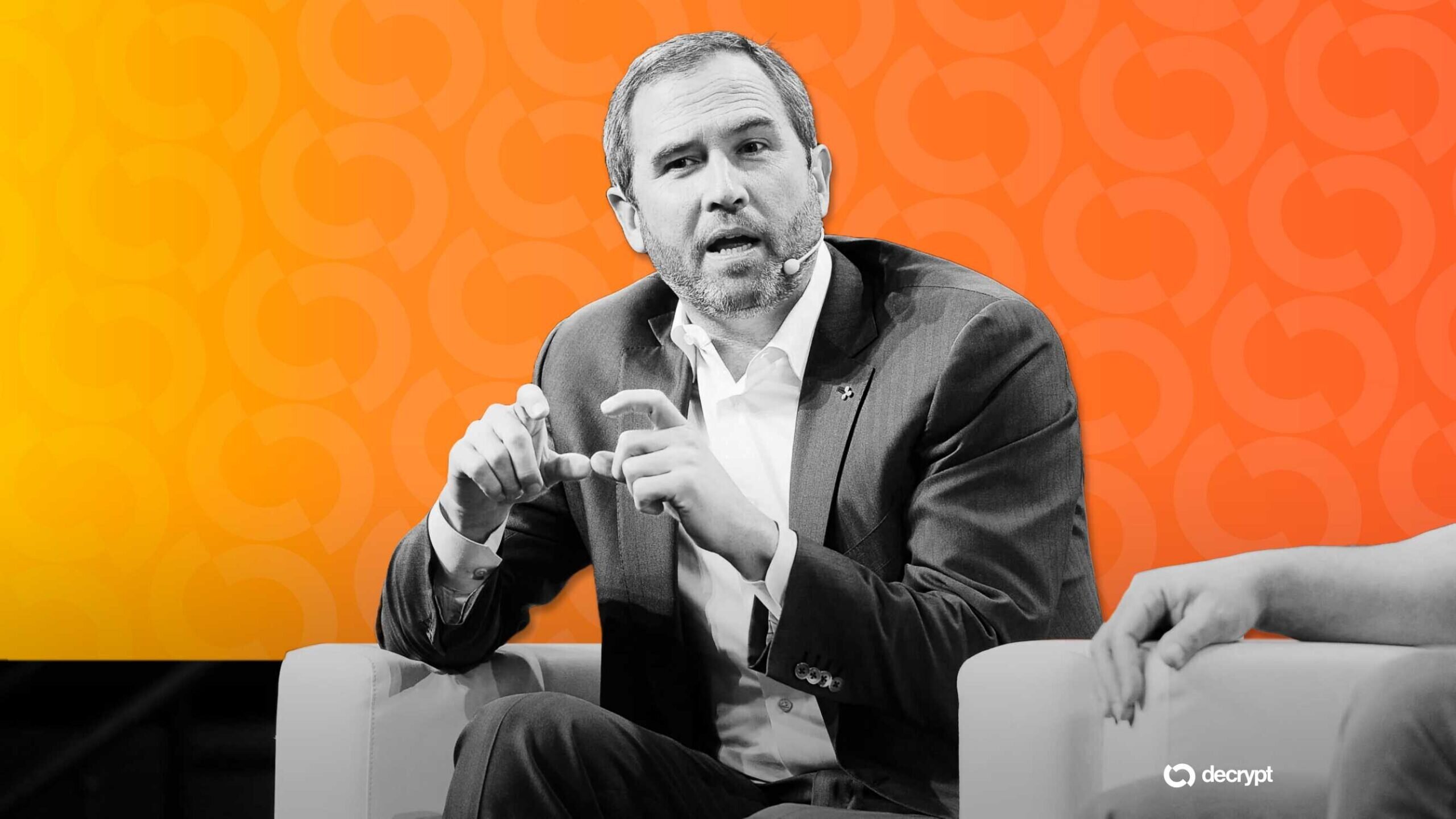
Ripple's Brad Garlinghouse spoke out against JPMorgan CEO Jamie Dimon and his comments on the key piece of crypto legislation. This report comes from
Read Full Story at Decrypt →Why This Matters
The clash between Ripple’s Brad Garlinghouse and JPMorgan’s Jamie Dimon underscores a growing fault line in the financial establishment over how digital assets should be regulated. Beyond personalities, this debate spotlights whether traditional banking giants will embrace crypto innovation or double down on resistance—a divide that could shape the industry’s future access to capital and mainstream adoption.
Background Context
Dimon’s long-standing skepticism of cryptocurrencies—dating back to his infamous 2017 dismissal of Bitcoin as a “fraud”—has positioned him as a vocal critic of industry-friendly legislation. Meanwhile, Ripple’s push for clearer regulatory frameworks, including the Clarity Act, reflects a strategic effort to bridge the gap between decentralized finance and institutional finance, a tension that has intensified as crypto moves from niche trading to institutional play.
What Happens Next
The legislative battle over the Clarity Act will hinge on whether lawmakers prioritize consumer protection over innovation, with Dimon’s opposition serving as a proxy for Wall Street’s resistance to disruptive change. If the bill gains traction, expect a wave of lobbying from traditional finance to water down provisions, while crypto advocates like Garlinghouse push for measures that don’t stifle growth. The outcome could determine whether the U.S. cedes ground to jurisdictions like the EU or Singapore in the global crypto race.
Bigger Picture
This feud is part of a broader reckoning where legacy financial institutions, long accustomed to regulatory control, confront the reality of a decentralized economy that operates outside their purview. The push-and-pull between incumbents like Dimon and disruptors like Garlinghouse mirrors historical battles over financial innovation, from the rise of discount brokerages to the advent of online banking—only now with higher stakes in a trillion-dollar asset class.




