🔬 Science
Live
'River in the Sky': China's doomed plan to create a 'cloud seeding corridor' tells us how far the country will go to solve its climate crisis
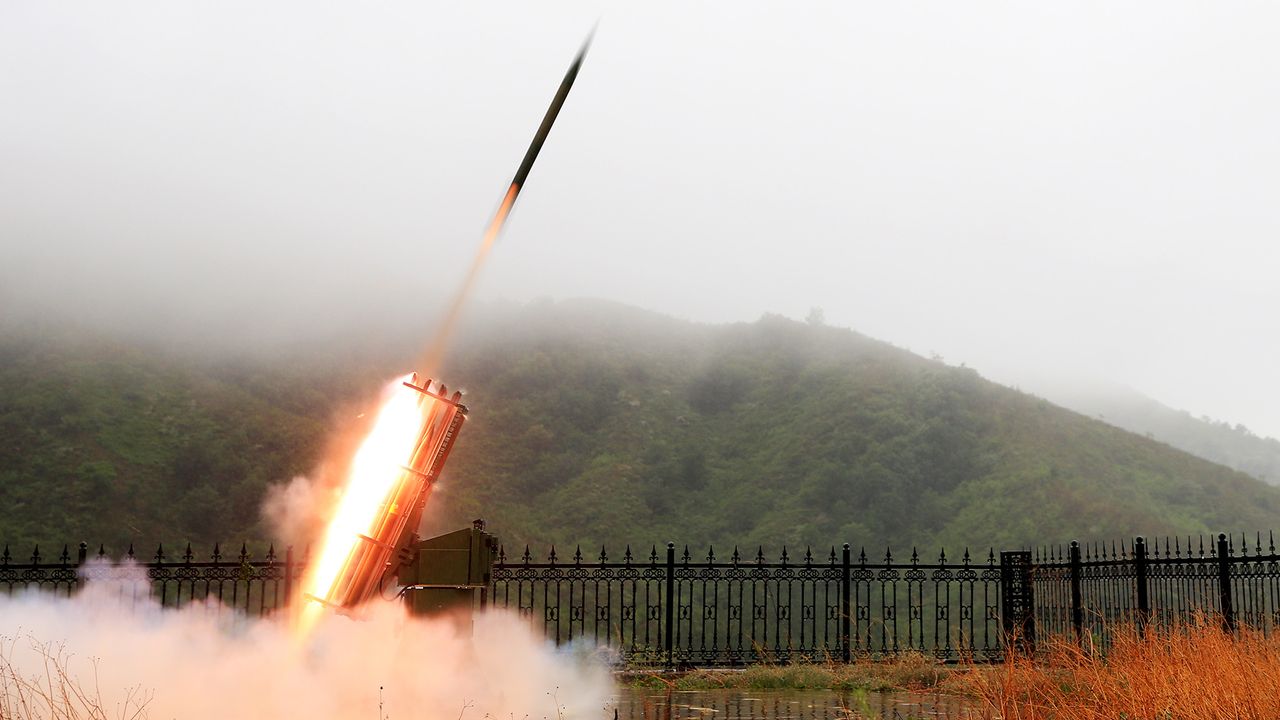
China's willingness to invest billions in a quixotic, doomed plan to create a permanent river in the sky reveals the lengths it is willing to go to to engineer its way out of a climate crisis.
Live Science — 17 June 2026
Text:
22
0
0
China's willingness to invest billions in a quixotic, doomed plan to create a permanent river in the sky reveals the lengths it is willing to go to to
Read Full Story at Live Science →
⚡ Quickyla Analysis
Original editorial context — not sourced from the article above
China’s ambition to engineer a permanent "river in the sky" through cloud seeding is more than a technological gamble—it’s a window into the country’s broader strategy for confronting its escalating climate vulnerabilities. The project, shrouded in both scientific curiosity and geopolitical symbolism, underscores Beijing’s willingness to pursue grand climate interventions despite their uncertain outcomes. At its core, this effort reflects a deeper conviction: that human ingenuity, backed by state resources, can outpace the consequences of environmental degradation, even when nature resists cooperation.
The initiative isn’t born from a vacuum. China’s water security crisis is decades in the making, driven by over-extraction, pollution, and the cascading effects of climate change. The Yellow River, once a lifeline, now faces chronic shortages, while droughts in the north have intensified competition for dwindling resources. Cloud seeding—long a tool for temporary drought relief—has been scaled up here into a year-round experiment, with billions poured into seeding aircraft, drones, and weather modification networks. The "sky river" concept, inspired by atmospheric rivers that naturally transport vast amounts of moisture, is an attempt to hijack that process artificially, turning meteorology into a controlled system. Yet the science remains contentious, and the ecological risks—disrupted rainfall patterns, unintended downstream effects—are poorly understood.
What comes next may hinge on whether the project yields tangible results, or if mounting failures force a reckoning. If successful, it could embolden further climate engineering ventures, from solar radiation management to large-scale geoengineering, positioning China as a pioneer in planetary-scale solutions. But if the "river" proves elusive, the episode may expose the limits of technological hubris in the face of climate chaos. Already, critics warn that such efforts distract from the harder work of conservation and systemic adaptation.
Ultimately, the saga is a microcosm of a global trend: the desperate search for quick fixes in an era of accelerating environmental breakdown. Whether through cloud seeding or carbon capture, nations are increasingly betting on technological salvation. China’s pursuit of a man-made sky river is a reminder that when the crisis feels existential, the most audacious solutions often emerge first—not because they’re proven, but because the alternative is unthinkable.
Sources

🔬 Science
'Astonishing': James Webb telescope spots the most chemically primitive galaxy in the ancient universe

🔬 Science
El Niño Is Underway

🔬 Science
Astronomers gaze into the 'Crystal Ball Nebula' and see a vision of our dying sun — Space photo of the week

🔬 Science
Bacteria uncover distinct strategy to import rare sugar polymers, crystal structures show

🔬 Science
NASA Awards Contract for Johnson Space Center Infrastructure

🔬 Science
Repairing DNA damage: Scientists discover a surprising new benefit of melatonin

