🔬 Science
Live
Rochelle Walensky
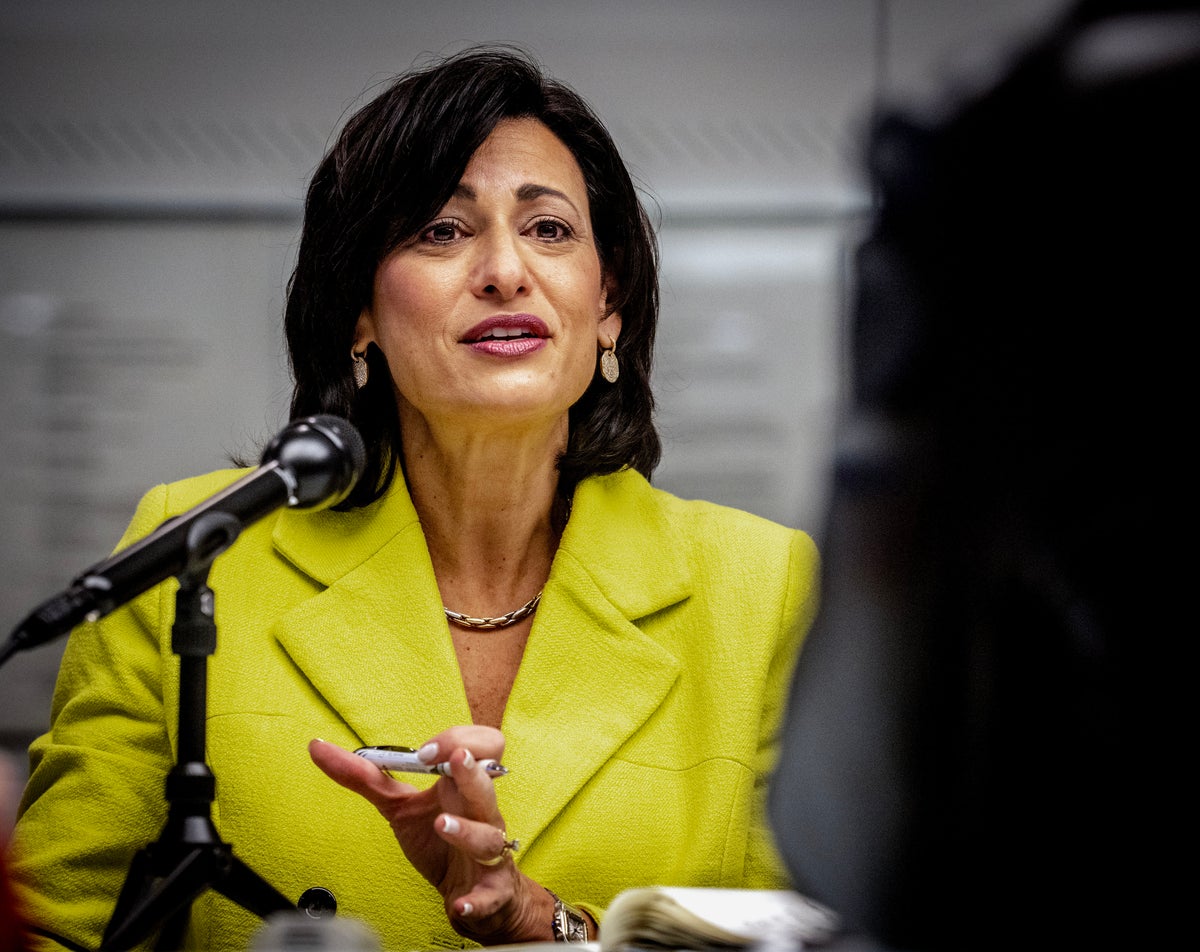
The former director of the Centers for Disease Control and Prevention talks about threats to U.S. science and ways they can be stopped Bill O’Leary/The Washington Post via Getty Images Rochelle Wal…
Scientific American — 16 June 2026
Text:
14
0
0
The former director of the Centers for Disease Control and Prevention talks about threats to U.S. science and ways they can be stopped Rochelle Walen
Read Full Story at Scientific American →
⚡ Quickyla Analysis
Original editorial context — not sourced from the article above
The departure of Rochelle Walensky from the CDC in mid-2023 marked the end of a tenure that coincided with some of the most intense public scrutiny of the agency in its history. Her recent reflections on the threats to U.S. science signal more than just a personal reckoning; they underscore a systemic crisis in how science, public health, and policy intersect in an era of deep polarization. Walensky’s observations arrive at a critical juncture, when trust in institutions—particularly those charged with protecting health—has eroded alongside the rise of misinformation and politicized science.
What makes Walensky’s commentary significant is not just her insider perspective but the timing. Her tenure overlapped with the COVID-19 pandemic, during which the CDC faced unprecedented challenges in communication, data interpretation, and public trust. But the issues she raises extend far beyond the pandemic. They touch on longstanding vulnerabilities in federal science agencies: underfunding, bureaucratic inertia, and the increasing weaponization of expertise by political actors. The erosion of nonpartisan scientific authority predates her tenure, rooted in decades of funding cuts, congressional interference, and the conflation of technical advice with partisan agendas.
Walensky’s call for structural reforms suggests a reckoning is overdue. Yet the path forward remains uncertain. Congress has yet to pass comprehensive legislation addressing institutional resilience in science agencies, and partisan battles over public health funding show no signs of abating. The question now is whether her warnings will catalyze action or be absorbed into the noise of election-year politics. The broader trend here is unmistakable: science, once a shared foundation of governance, is increasingly treated as a battleground, and public health institutions are caught in the crossfire.
For the public, the stakes are clear. A weakened CDC—or any federal science agency—cannot effectively respond to future crises, whether they be pandemics, climate disasters, or emerging pathogens. Walensky’s insights serve as both a caution and a challenge: to rebuild not just trust, but the very systems that make trust possible. Without it, the U.S. risks stumbling into the next crisis unready, its scientific institutions hollowed out by neglect and division.
Sources

🔬 Science
'Astonishing': James Webb telescope spots the most chemically primitive galaxy in the ancient universe

🔬 Science
El Niño Is Underway

🔬 Science
Astronomers gaze into the 'Crystal Ball Nebula' and see a vision of our dying sun — Space photo of the week

🔬 Science
NASA Awards Contract for Johnson Space Center Infrastructure

🔬 Science
Bacteria uncover distinct strategy to import rare sugar polymers, crystal structures show

🔬 Science
Repairing DNA damage: Scientists discover a surprising new benefit of melatonin

