Russia opens door to ‘new relationship’ with U.S. as Putin wrestles with Ukraine deadlock
ST. PETERSBURG, Russia — President Vladimir Putin looked out across a familiar scene on Friday — and a changing world
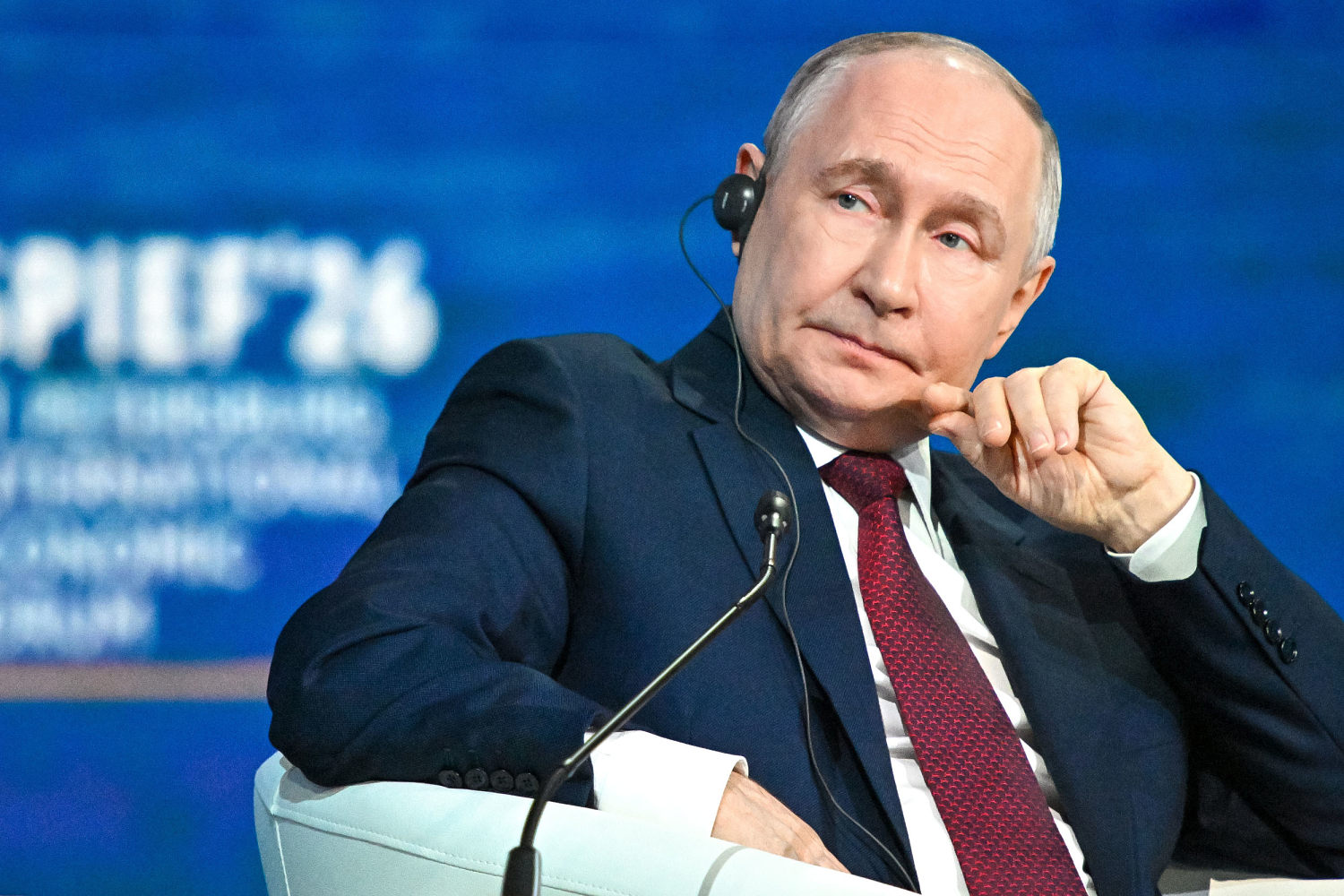
ST. PETERSBURG, Russia — President Vladimir Putin looked out across a familiar scene on Friday — and a changing world This report comes from NBC News
Read Full Story at NBC News →Why This Matters
Putin’s overtures toward the U.S. signal a potential recalibration of Moscow’s international posture, as domestic and battlefield pressures in Ukraine force a tactical shift. The move underscores Russia’s growing sense of isolation on the global stage, where its long-standing partnerships—particularly with China—have failed to offset the strategic costs of the war. A thaw in relations with Washington, however limited, could redefine power dynamics in Eastern Europe and beyond.
Background Context
Putin’s recent overtures follow months of stalled offensives in Ukraine, where Russia’s military has struggled to secure decisive gains despite heavy casualties. Domestically, the Kremlin faces mounting economic strain from sanctions and a shrinking labor force, while Western support for Kyiv remains robust. Historically, Russia’s attempts to negotiate with the U.S. have often been overshadowed by deeper strategic mistrust, making any détente a high-stakes gamble.
What Happens Next
If talks gain traction, Washington and Moscow could explore limited agreements on prisoner exchanges or arms control, though a full reset remains unlikely given Ukraine’s red lines. Putin may seek to leverage any diplomatic openings to divide Western unity, particularly ahead of November elections. The biggest wildcard is whether Kyiv—already wary of perceived Western fatigue—would tolerate concessions that could embolden Moscow in future negotiations.
Bigger Picture
This episode reflects a broader pattern of autocratic regimes testing diplomatic openings amid exhaustion from prolonged conflicts, akin to past cases like North Korea’s intermittent engagement with the U.S. It also highlights the fragility of global alliances, where even long-standing adversaries like Russia and China may prioritize self-interest over ideological solidarity. For the U.S., the challenge is balancing engagement with deterrence—avoiding the pitfalls of past misjudged concessions.





