🌍 World News
Live
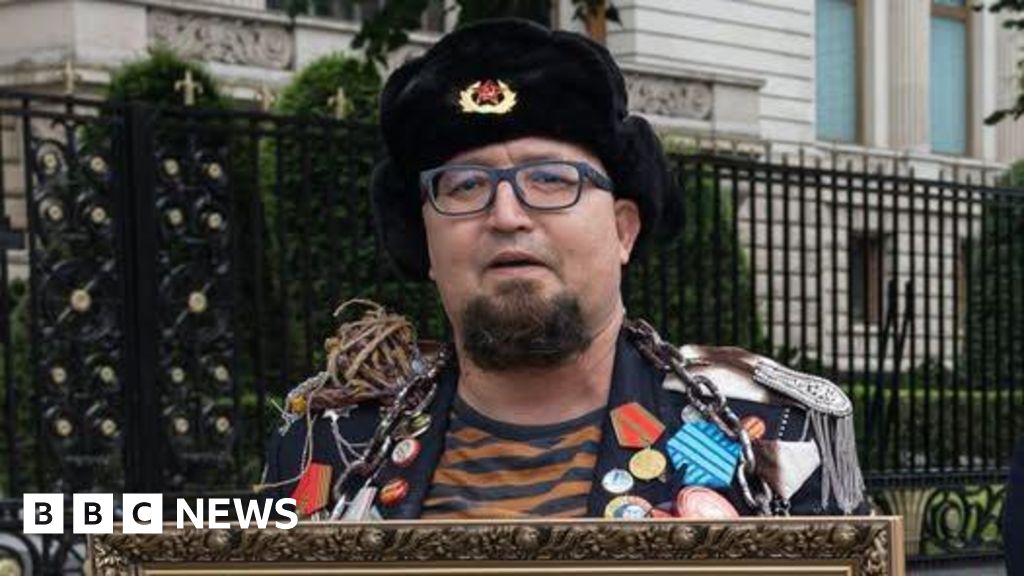
Russian artist and Putin critic shot dead in Poland
Police in Poland are investigating the execution-style murder of a Russian artist and vocal critic of President Vladimir Putin. Polish prosecutors said Robert K, known as the artist Semyon Skrepetsk…
BBC World News — 16 June 2026
Text:
34
0
0
Police in Poland are investigating the execution-style murder of a Russian artist and vocal critic of President Vladimir Putin. Polish prosecutors sa
Read Full Story at BBC World News →
⚡ Quickyla Analysis
Original editorial context — not sourced from the article above
The assassination of Russian artist and Putin critic Robert K—known publicly as Semyon Skrepetsky—in Poland marks a chilling escalation in transnational repression, where dissenters face violence far beyond their home country’s borders. While Poland has long been a sanctuary for Russian exiles, this killing suggests a dangerous erosion of safe havens, particularly for those whose critiques target authoritarian regimes. The execution-style nature of the murder—police confirmed a single gunshot to the head—echoes methods used in other high-profile assassinations, including the 2018 Salisbury poisoning and the 2006 murder of Alexander Litvinenko in London. Such tactics are not merely violent acts but calculated warnings: no critic is beyond reach, even in countries with robust legal protections.
Poland’s role as a refuge for Russian dissidents has grown since the 2022 invasion of Ukraine, as Warsaw positioned itself as a staunch opponent of Moscow. Yet the killing complicates this narrative, raising questions about the country’s ability—or willingness—to protect those fleeing Putin’s regime. Polish authorities have not yet identified a suspect, but the sophistication of the attack hints at state involvement or at least tacit approval. If proven, this would further strain Poland’s already tense relations with Russia, potentially drawing retaliatory measures from Moscow.
The broader trend here is the weaponization of extraterritorial violence by authoritarian states. Since 2014, at least 38 Kremlin critics have been killed or attacked abroad, according to human rights groups. The cases often go unsolved, with governments either unable or unwilling to pursue justice. This incident may force Poland to confront its vulnerabilities, particularly as it balances EU solidarity with Russian opposition against its own security concerns. Will Warsaw double down on protections for dissidents, or will fear of escalation lead to a quieter retreat? The answer could redefine the limits of political asylum in Europe—and the reach of Putin’s shadow war.
Sources

🌍 World News
Man fleeing police attacked by alligator before continuing his getaway, Louisiana authorities say
🌍 World News
US crude exports hit record high in May as Iran war tightens global oil supplies

🌍 World News
Agitators outside Delaney Hall set up organized logistics operation before Newark protests began

🌍 World News
French doctors sound alarm over drinking water pollution

🌍 World News
Iran, Kuwait, Bahrain hit: Is the war in the Gulf escalating again?

🌍 World News
Four people trapped in flooded cave in Laos pulled to safety

