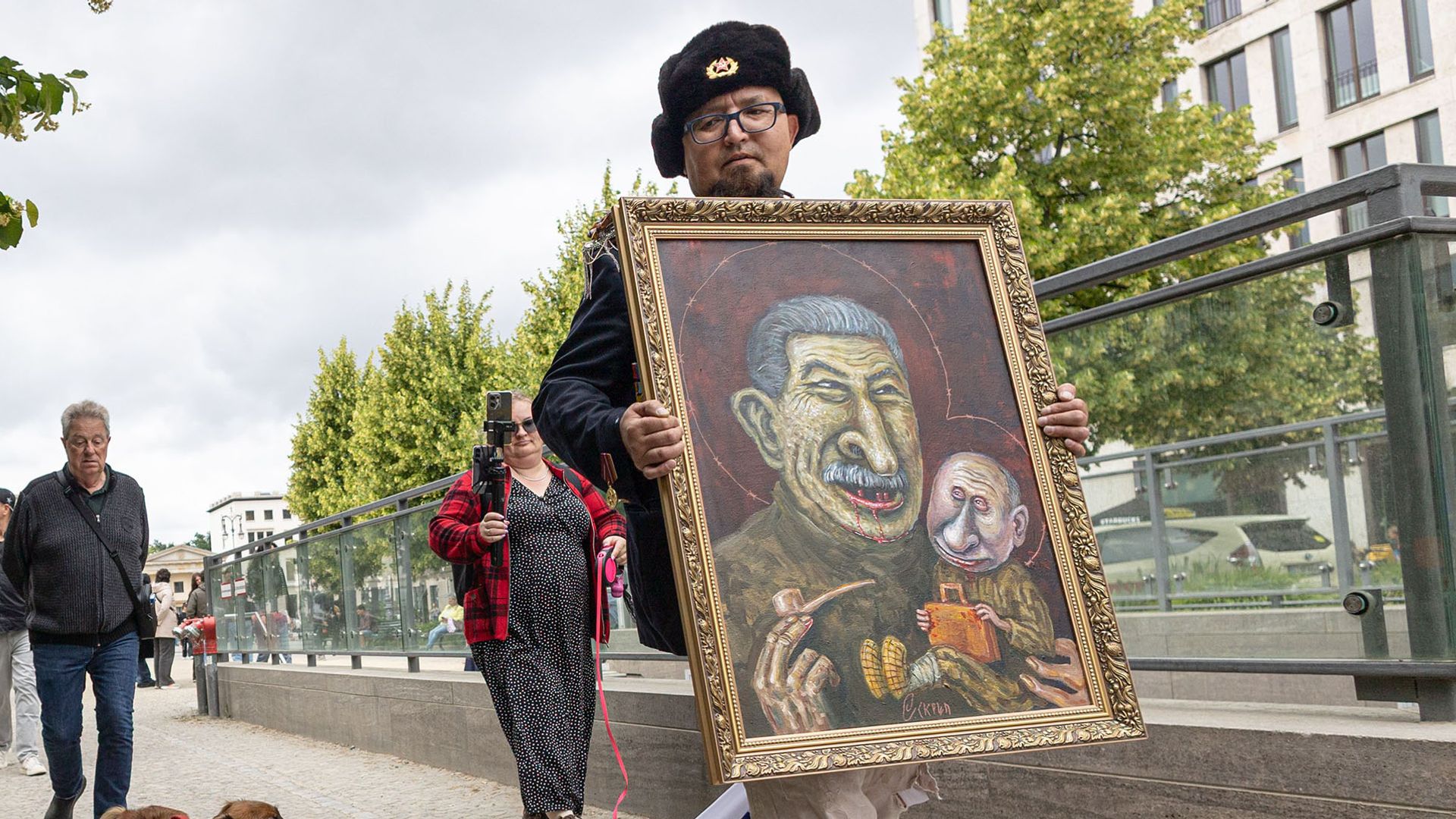
Russian artist who criticised Putin is shot dead
An artist critical of Russia's President Vladimir Putin was shot and killed near his home in eastern Poland on Monday.
Sky News — 16 June 2026
Text:
27
0
0
An artist critical of Russia's President Vladimir Putin was shot and killed near his home in eastern Poland on Monday. This report comes from Sky New
Read Full Story at Sky News →
⚡ Quickyla Analysis
Original editorial context — not sourced from the article above
The assassination of a Russian artist critical of Vladimir Putin in eastern Poland shakes the fragile boundaries of transnational dissent, exposing the creeping reach of authoritarian repression beyond Russia’s borders. Poland, a NATO member and European Union state, has long been a refuge for exiled Russians fleeing political persecution, yet the killing suggests that Putin’s shadow now extends into the heart of the bloc. This is not merely a local tragedy but a stark reminder that autocratic regimes increasingly weaponize violence to silence opposition, even in democratic territories. The murder signals a dangerous escalation: if critics can be targeted with impunity in allied nations, no safe haven remains untouched by the Kremlin’s long arm.
For many, this killing evokes the 2018 poisoning of Sergei Skripal in Salisbury, England—another attempted assassination of a Putin critic on foreign soil. But the artist’s death carries additional weight, arriving amid a broader crackdown on dissent within Russia and a surge in Russian influence operations across Europe. Poland, already strained by tensions with the EU over rule-of-law disputes, now faces a new dilemma: balancing its commitment to free expression with the need to protect refugees on its soil. The timing is no coincidence; with Ukraine’s counteroffensive stalled and Western support wavering, Putin may see a moment to reassert dominance over the diaspora, whether through intelligence operations or outright violence.
Open questions loom. Was this the work of Russian intelligence, or an opportunistic act by a rogue agent or nationalist faction? Poland’s response will test its resolve, as will the EU’s. If evidence points to state involvement, the bloc may be forced to confront whether its sanctions against Moscow go far enough—or if stronger measures, like expelling Russian embassies or freezing assets of suspected operatives, are needed. Meanwhile, Russian exiles face an impossible choice: remain in hiding, flee further west, or risk the same fate.
This killing is more than a crime; it’s a warning. In an era where borders no longer shield dissent, the world must decide whether to tolerate such brazen aggression—or finally confront it.
Sources

🌍 World News
Man fleeing police attacked by alligator before continuing his getaway, Louisiana authorities say
🌍 World News
US crude exports hit record high in May as Iran war tightens global oil supplies

🌍 World News
Agitators outside Delaney Hall set up organized logistics operation before Newark protests began

🌍 World News
French doctors sound alarm over drinking water pollution

🌍 World News
Iran, Kuwait, Bahrain hit: Is the war in the Gulf escalating again?

🌍 World News
Four people trapped in flooded cave in Laos pulled to safety

