Russian-occupied Crimea suffers fuel shortages after Ukrainian attacks
Hundreds of drivers lined up at gas stations in Crimea amid a rationing scheme introduced to manage fuel shortages on the Russian-occupied peninsula. Crimea began suffering fuel shortages after Ukrai…
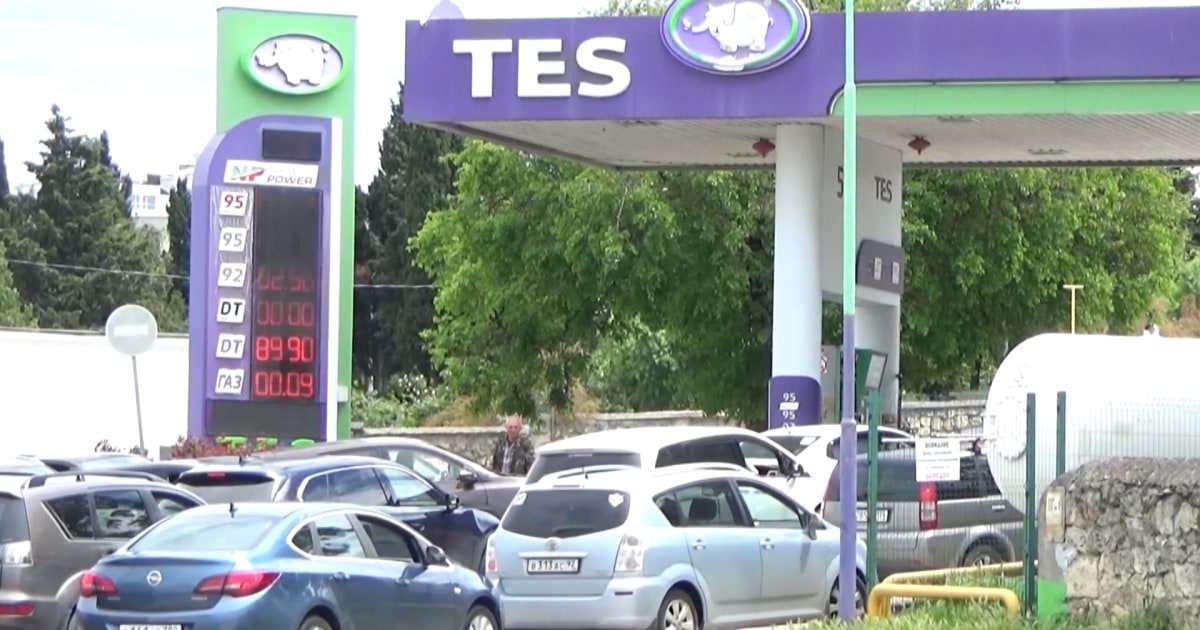
Hundreds of drivers lined up at gas stations in Crimea amid a rationing scheme introduced to manage fuel shortages on the Russian-occupied peninsula.
Read Full Story at NBC News →Why This Matters
The fuel shortages in Russian-occupied Crimea represent a critical vulnerability in Moscow’s wartime logistics, exposing the fragility of its supply chains in annexed territories despite years of infrastructure reinforcement. For Ukraine, these disruptions are not just a tactical opportunity but a strategic pressure point in its broader campaign to erode Russian control over occupied regions.
Background Context
Since Russia’s 2014 annexation, Crimea has relied almost entirely on fuel imports via a single Kerch Strait bridge and limited rail routes, making it acutely sensitive to supply chain disruptions. Ukrainian strikes on logistical hubs in southern Russia and occupied Crimea have compounded existing shortages by targeting refining and distribution points, forcing authorities to ration resources.
What Happens Next
If the shortages persist, they could fuel public discontent among Crimean residents already grappling with economic stagnation and military conscription, potentially undermining Moscow’s narrative of stability. Strategic analysts will be watching whether Russia accelerates alternative supply routes—such as through Belarus—or escalates defensive measures around key fuel depots.
Bigger Picture
This crisis fits a pattern of Ukraine’s asymmetric warfare targeting economic lifelines in occupied territories, from energy grids to water supplies, to degrade Russian administrative control. As sanctions tighten and Ukraine’s long-range strike capabilities expand, such disruptions may become a persistent feature of the conflict’s economic dimension.





