Sahel juntas are 'crushing' basic freedoms
Since the 2020‑2023 coups in Mali, Niger and Burkina Faso, military leaders have imposed sweeping criminal defamation and antiterrorism laws that enable the arbitrary detention of journalists , blogg…
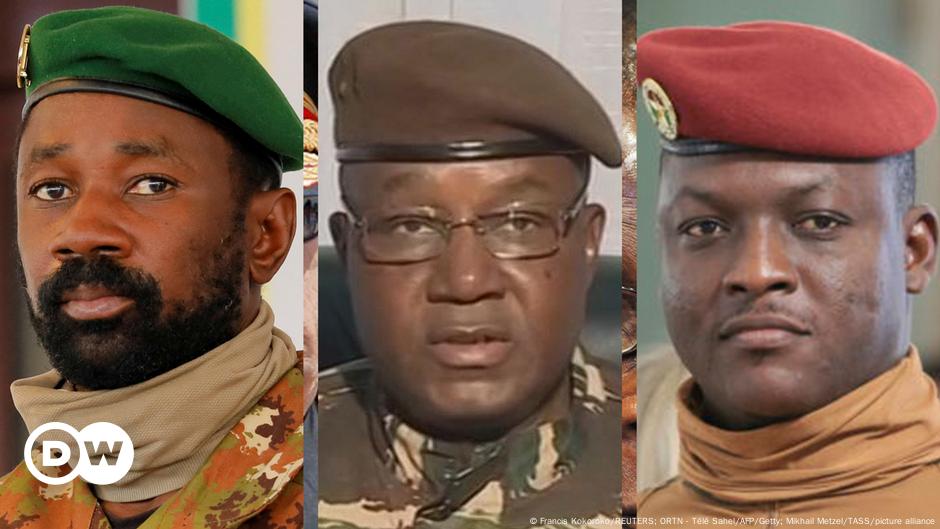
Since the 2020‑2023 coups in Mali, Niger and Burkina Faso, military leaders have imposed sweeping criminal defamation and antiterrorism laws that enab
Read Full Story at DW World →Why This Matters
The erosion of press freedoms in the Sahel reflects a dangerous pattern where military juntas consolidate power by silencing dissent under the guise of counterterrorism. It sets a precedent for other African nations grappling with democratic backsliding, demonstrating how security rhetoric can be weaponized to dismantle civic space.
Background Context
The coups in Mali (2020), Burkina Faso (2022), and Niger (2023) marked a sharp departure from civilian rule, but the crackdown on journalism reveals a deeper strategy: using anti-terror laws to justify the suppression of independent reporting. These nations, already battling Islamist insurgencies, now face a parallel crisis—state-enforced censorship disguised as security policy.
What Happens Next
The international community’s muted response risks emboldening juntas to further tighten their grip, while local media outlets may increasingly operate in legal gray zones or go underground. Observers should watch for whether regional blocs like ECOWAS or the African Union will impose tangible penalties, or if the silence from global powers will normalize this authoritarian drift.
Bigger Picture
This trend aligns with a broader global shift where governments exploit crises—whether terrorism, migration, or pandemics—to justify authoritarian controls. In the Sahel, the fusion of military rule and legal repression mirrors tactics seen in other post-coup states, suggesting a playbook for dismantling democratic norms under the cover of "stability."





