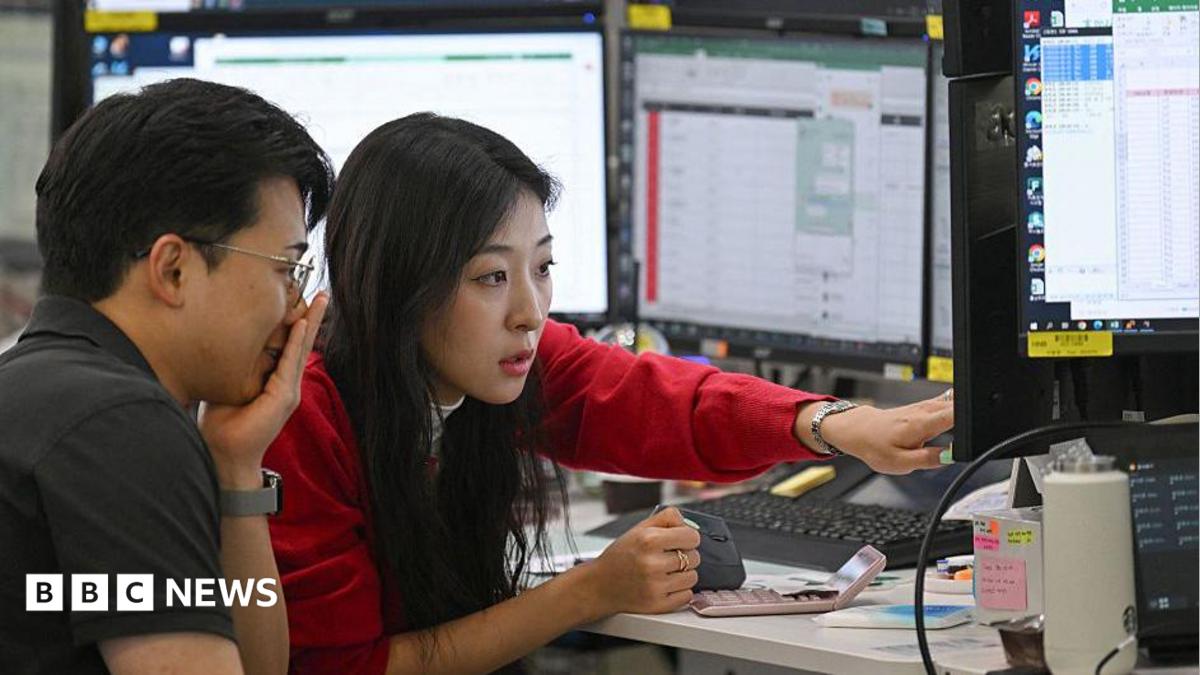
Samsung profits jump 1,800% on AI chip demand
Samsung Electronics’ quarterly profits surged 1,800% annually as AI-driven demand and global shortages boosted memory chip sales. This record growth highlights AI’s critical role in driving economic e

Samsung Electronics, the South Korean tech giant, has seen its quarterly profits soar by a staggering 1,800% year-over-year, marking a record high for
Read Full Story at France 24 →Why This Matters
The surge in Samsung Electronics' profits underscores how artificial intelligence has become the primary engine of demand in the global semiconductor industry, reshaping corporate strategies and investor priorities. This isn't merely a financial milestone—it signals the beginning of a new era where AI-driven infrastructure will dictate economic winners and losers across industries.
Background Context
Samsung's explosive profit growth follows years of strategic overinvestment in memory chip capacity, a bet that now appears prescient as AI workloads demand unprecedented data processing power. The company's dominance in DRAM and NAND markets has been amplified by geopolitical tensions that disrupted rival supply chains, particularly from Chinese manufacturers facing U.S. export restrictions.
What Happens Next
Industry observers should watch for whether this profit surge triggers a new wave of capital expenditure that could create dangerous overcapacity, or if Samsung will maintain discipline to sustain high margins. The Federal Reserve's monetary policy decisions may also determine whether this profit boom translates into sustained technological leadership or temporary market distortion.
Bigger Picture
This development reflects a broader pattern where the most valuable companies are those that control the computational resources underpinning AI development. The semiconductor industry's cyclical nature is being permanently altered by AI's insatiable demand for memory, suggesting that future economic growth will increasingly hinge on chip manufacturing capabilities rather than traditional industrial sectors.