⚽ Sports
Live
Saudi Arabia hold off relentless Uruguay to earn draw
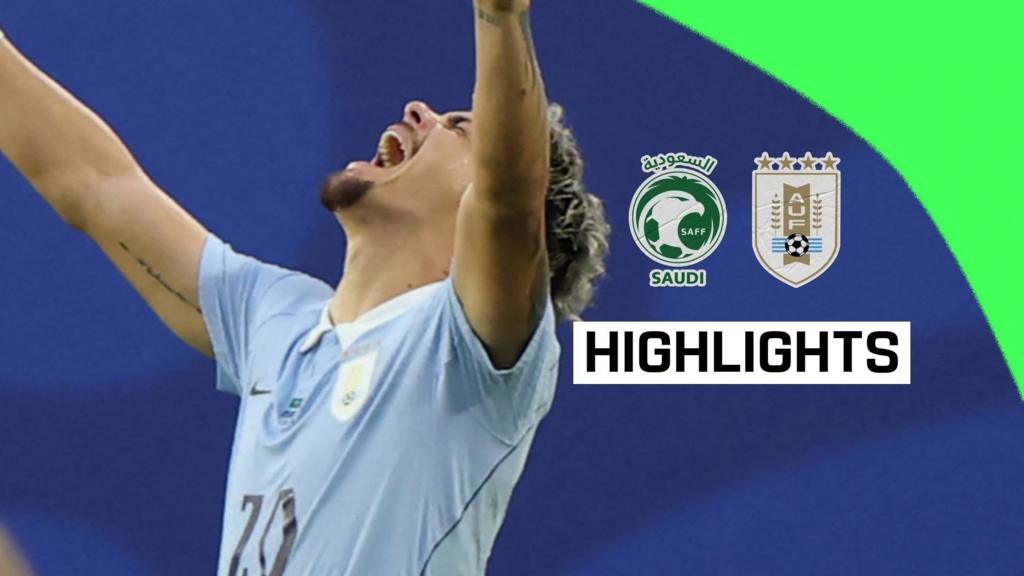
Saudi Arabia hold firm against relentless pressure to earn a 1-1 draw against two-time world champions Uruguay in their Group H opener at the Miami Stadium.
BBC Sport — 15 June 2026
Text:
31
0
0
Saudi Arabia hold firm against relentless pressure to earn a 1-1 draw against two-time world champions Uruguay in their Group H opener at the Miami St
Read Full Story at BBC Sport →
⚡ Quickyla Analysis
Original editorial context — not sourced from the article above
The stalwart defensive display of Saudi Arabia against Uruguay in Miami wasn’t just another World Cup warm-up—it was a quiet assertion of football’s shifting power dynamics. In an era where European domination once seemed unassailable, the draw signals that the global football landscape is no longer a closed shop for traditional heavyweights. Saudi Arabia’s performance, though not spectacular, was disciplined and strategic, a reflection of the broader investment the Gulf nation has poured into its football infrastructure over the past decade. It wasn’t just about holding Uruguay at bay; it was about demonstrating that a nation flush with resources and ambition can carve out a credible voice in the sport’s most elite stages.
What makes this result particularly intriguing is the timing. Uruguay, despite their two World Cup triumphs, have long been a team defined by defensive resilience rather than flair. Their inability to break down Saudi Arabia—a side with far less collective pedigree—raises questions about how well they’ve adapted to the modern game’s demands. Was this a blip, or does it hint at a deeper tactical stasis in Uruguay’s approach? For Saudi Arabia, the draw is a confidence booster, but the real test lies ahead in their upcoming fixtures against Portugal and Morocco. Can they sustain this level of organization against opponents with far greater attacking firepower?
This match also underscores a broader trend: the rise of non-traditional football nations leveraging financial muscle and targeted development. Saudi Arabia’s Pro League has become a magnet for aging stars and managerial experimenters, a strategy aimed at accelerating the national team’s growth. While critics argue this approach risks prioritizing short-term spectacle over long-term grassroots development, the early returns suggest it’s yielding dividends. If Saudi Arabia can progress from this World Cup, it won’t just be a sporting upset—it could mark the beginning of a new footballing order, where wealth and ambition rewrite the rules of competition. The question now is whether other aspiring nations will follow suit, or if this is a one-off driven by oil wealth rather than sustainable progress.
Sources
⚽ Sports
Don’t underestimate young athletes — the NAACP boycott plan could actually work

⚽ Sports
The football fans who went to a World Cup and loved it so much, they stayed
⚽ Sports
Barcelona Is Reportedly Pushing For Roony Bardghji’s Summer Exit

⚽ Sports
Arkansas baseball can't overcome pitching, defensive flaws as 2026 season ends

⚽ Sports
Champions League final: PSG's players and fans 'kept on believing'

⚽ Sports
Egypt to hold open training session for 'limited' number of fans in Spokane ahead of World Cup

