🏛️ Politics
Live
'Scared to go to work': Shop assistant tells MPs about customer abuse
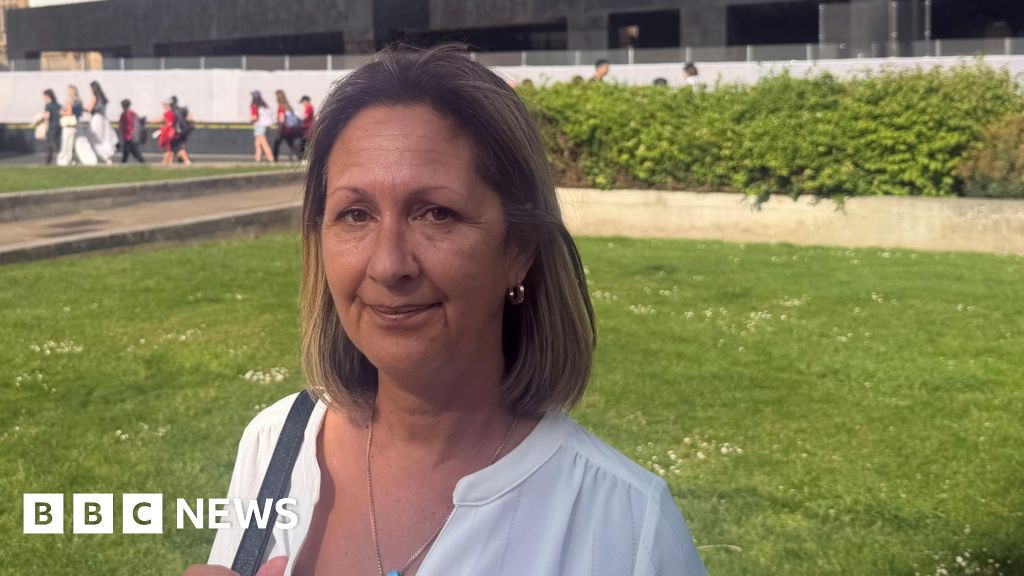
A shop worker has told how being a victim of abuse by a customer left her "terrified" and "scared to go to work". Finnola Tzagorakis, from London, said the man had subjected her to "racial remarks" …
BBC Politics — 18 June 2026
Text:
19
0
0
A shop worker has told how being a victim of abuse by a customer left her "terrified" and "scared to go to work". Finnola Tzagorakis, from London, sa
Read Full Story at BBC Politics →
⚡ Quickyla Analysis
Original editorial context — not sourced from the article above
The testimony of a shop worker speaking to MPs about enduring racial abuse from a customer underscores a troubling pattern in frontline service industries—one that extends far beyond individual incidents. While violence and harassment against retail staff is not new, the growing visibility of such cases in political and media discussions suggests a broader cultural shift in how workplace safety is perceived. Retail and hospitality sectors, already grappling with rising costs and staff shortages, now face added pressure to address a silent epidemic of verbal and physical aggression, often fueled by frustration, entitlement, or outright bigotry.
What makes this story particularly resonant is its timing. As the cost-of-living crisis intensifies, more people are relying on essential goods and services, while businesses struggle to retain workers amid burnout and understaffing. This economic strain has coincided with a documented rise in customer aggression—whether over stock availability, pricing, or perceived slights. Yet what distinguishes racial abuse in this context is its insidious, often unchecked nature. Unlike theft or vandalism, which can be recorded or prosecuted, verbal harassment leaves little trace but deep psychological impact, eroding morale and driving qualified staff away from customer-facing roles.
The broader question this raises is whether current legal and corporate safeguards are adequate. In the UK, the Protection from Harassment Act and Equality Act offer pathways for redress, but enforcement remains inconsistent, and many workers fear retaliation or dismissal if they report incidents. Meanwhile, retailers have increasingly turned to surveillance and de-escalation training, yet these measures can feel reactive rather than preventive. The deeper issue is societal: a normalization of hostility in public spaces, where customers feel entitled to vent frustration without consequence.
Looking ahead, the political momentum behind this issue may force action—whether through stricter penalties for abusive customers, mandatory workplace protections, or public awareness campaigns. But the real challenge lies in changing attitudes, not just policies. Until the culture that permits such behavior shifts, frontline workers will continue to pay the price—not just in discomfort, but in fear.
Sources

🏛️ Politics
Secretary of State Marco Rubio faces questions about Iran war on Capitol Hill

🏛️ Politics
"Fujimori never again!" Protesters fill streets of Lima ahead of Peru presidential elections

🏛️ Politics
US not 'turning back' on Asia allies, but expects them to boost defence, says Hegseth

🏛️ Politics
Trump: Reports US, Iran stopped speaking ‘false and erroneous’

🏛️ Politics
Pence: There’s ‘clearly” been an effort to ‘rewrite’ Jan. 6 history

🏛️ Politics
Washington, Silicon Valley brace for AI job losses

