Bees build insulated ‘royal cribs’ to make queens
Scientists discovered that worker bees create insulated "royal cribs" and adjust care to turn larvae into queens, not just royal jelly. This matters because healthier, disease-resistant bee colonies c
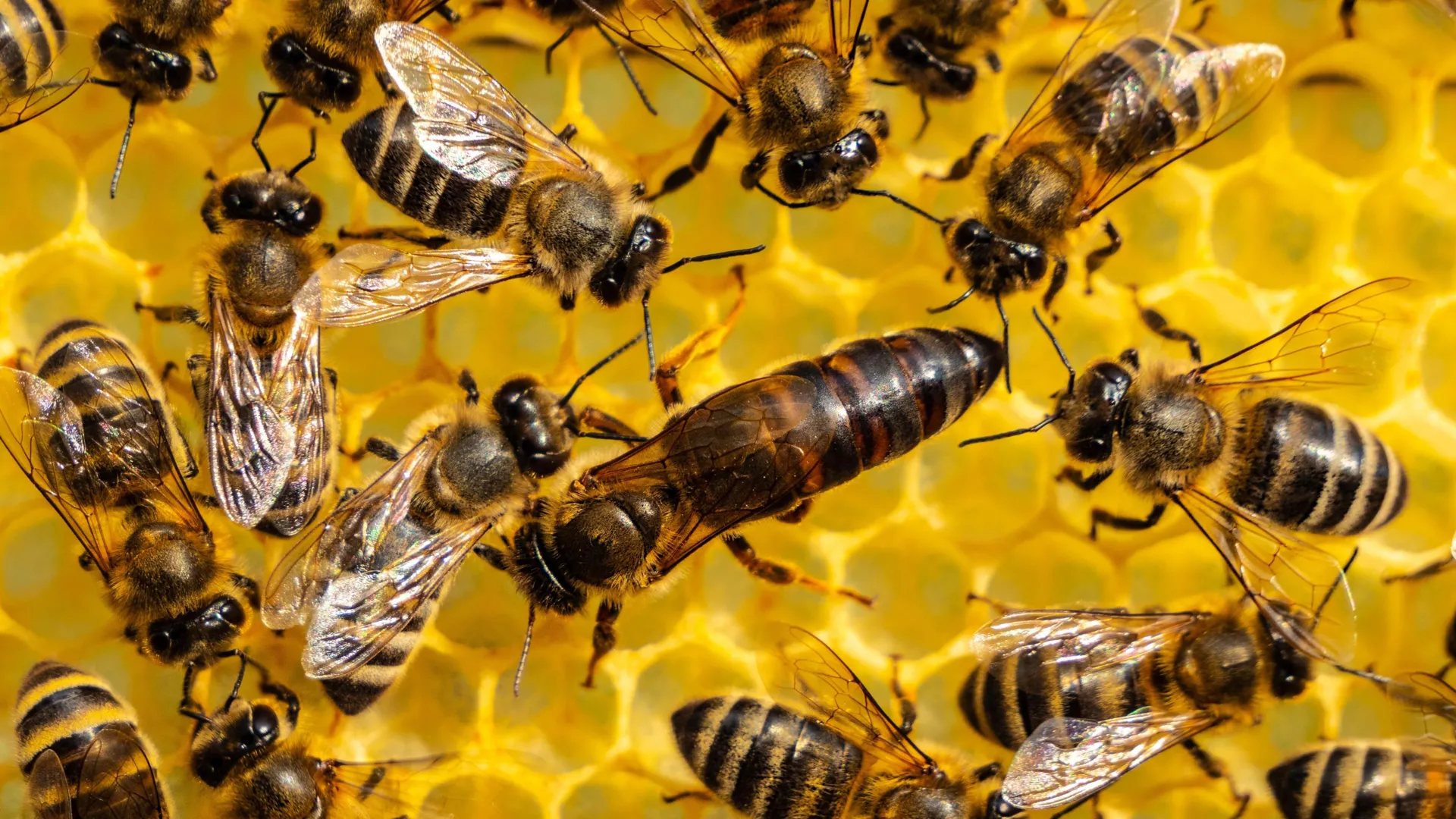
Researchers just cracked the hidden playbook that turns a regular honeybee larva into a queen—and it’s not just about the food. Scientists have long a
Read Full Story at ScienceDaily →Why This Matters
The discovery redefines our understanding of social evolution in insects, challenging the long-held assumption that nutrition alone dictates caste development in bees. It suggests that collective decision-making—where worker bees actively sculpt the future of their colony—may be far more sophisticated than previously recognized, offering a new lens for studying social behavior across species.
Background Context
For decades, royal jelly was touted as the sole factor determining whether a honey bee larva becomes a queen or a worker, a narrative rooted in 19th-century entomology. The revelation that physical insulation and adaptive larval care also play critical roles resets the timeline of bee research, which had largely stagnated since the 1950s, when scientists first isolated the compounds in royal jelly.
What Happens Next
This finding could accelerate research into colony collapse disorder by identifying overlooked factors in queen rearing that might bolster bee resilience. Meanwhile, beekeepers may soon demand new standards for hive design, while regulatory agencies could revisit guidelines on synthetic queen-rearing techniques used in commercial beekeeping.
Bigger Picture
The discovery aligns with a growing appreciation for the role of microenvironment in shaping biological outcomes, mirroring similar revelations in human health and climate science. It also underscores the fragility of eusocial systems—where even minor disruptions to communal care could ripple through entire ecosystems dependent on pollinators.






