Scientists just found a hidden weakness in forever chemicals
Researchers discovered that hydrogen radicals generated by intense UV light can break down stubborn PFAS “forever chemicals” without added chemicals. The breakthrough reveals a key mechanism that cou…
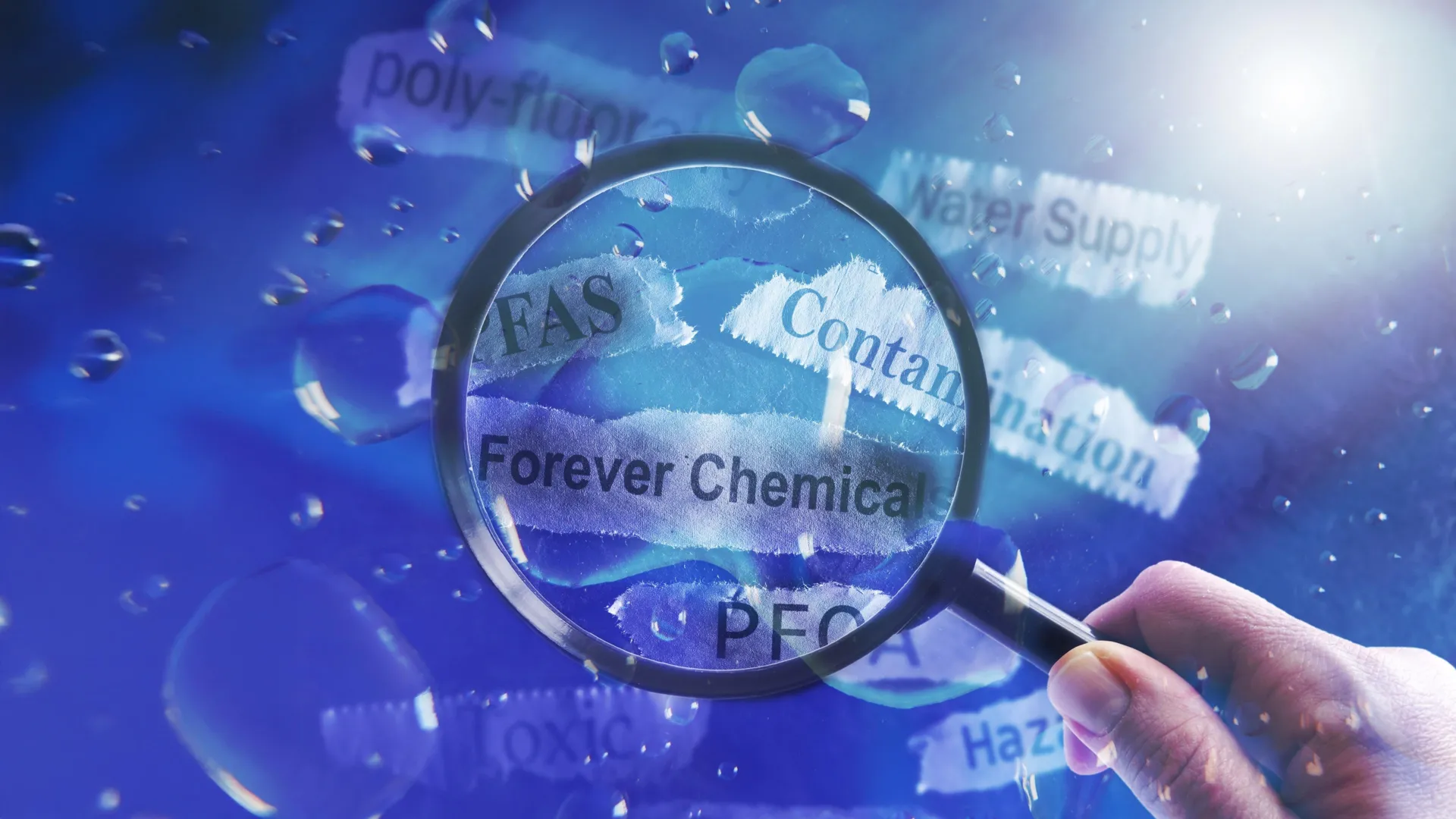
ScienceDaily — 16 June 2026
Text:
17
0
0
Researchers discovered that hydrogen radicals generated by intense UV light can break down stubborn PFAS “forever chemicals” without added chemicals.
Read Full Story at ScienceDaily →
⚡ Quickyla Analysis
Original editorial context — not sourced from the article above
The discovery that intense ultraviolet light can generate hydrogen radicals capable of breaking down persistent PFAS compounds marks a potential turning point in one of the most intractable environmental challenges of the century. These so-called “forever chemicals,” used for decades in non-stick coatings, firefighting foams, and countless industrial applications, have infiltrated water supplies worldwide, resisting conventional treatment methods and accumulating in ecosystems and human bodies. Their molecular carbon-fluorine bonds—among the strongest in organic chemistry—have made them nearly indestructible, earning them the nickname forever chemicals. Until now, effective degradation has required extreme conditions or hazardous additives, limiting practical cleanup options. This new mechanism bypasses those limitations by leveraging energy from UV light to produce reactive radicals that can dismantle PFAS structures at the molecular level without additional chemicals, offering a cleaner and potentially scalable solution.
The significance of this finding extends beyond immediate cleanup possibilities. PFAS contamination has become a global regulatory flashpoint, with agencies from the EPA to the EU imposing stricter limits amid growing public concern over health risks, including cancer and immune dysfunction. Traditional remediation approaches—such as activated carbon filtration—only transfer the problem, creating toxic waste streams that require further disposal. A method that can mineralize PFAS into harmless compounds in situ could redefine environmental restoration strategies, particularly for polluted groundwater and industrial sites. Moreover, the discovery underscores the broader challenge of managing synthetic chemicals designed for durability but now recognized as ecological liabilities.
Open questions remain: Can this process be efficiently scaled for large-scale water treatment? How energy-intensive is UV radical generation compared to conventional methods? And will it prove effective against the full spectrum of PFAS variants, some of which differ structurally in subtle but critical ways? The breakthrough also invites scrutiny of why such a fundamental mechanism wasn’t identified sooner—raising concerns about gaps in basic research on chemical degradation pathways.
This development aligns with a broader scientific pivot toward harnessing light, catalysts, and radical chemistry to tackle persistent pollutants. As climate pressures intensify and industrial contamination spreads, innovations like this one are not just technical milestones—they represent essential tools for reimagining how humanity interacts with the molecular world it has created.
Sources

🔬 Science
'Astonishing': James Webb telescope spots the most chemically primitive galaxy in the ancient universe

🔬 Science
El Niño Is Underway

🔬 Science
Astronomers gaze into the 'Crystal Ball Nebula' and see a vision of our dying sun — Space photo of the week

🔬 Science
Bacteria uncover distinct strategy to import rare sugar polymers, crystal structures show

🔬 Science
NASA Awards Contract for Johnson Space Center Infrastructure

🔬 Science
Repairing DNA damage: Scientists discover a surprising new benefit of melatonin

