Scientists may have finally found how Alzheimer's spreads through the brain
A common brain protein may be giving Alzheimer’s disease an unexpected way to spread, carrying toxic Tau proteins from damaged neurons into healthy ones. By blocking these harmful protein packages bef
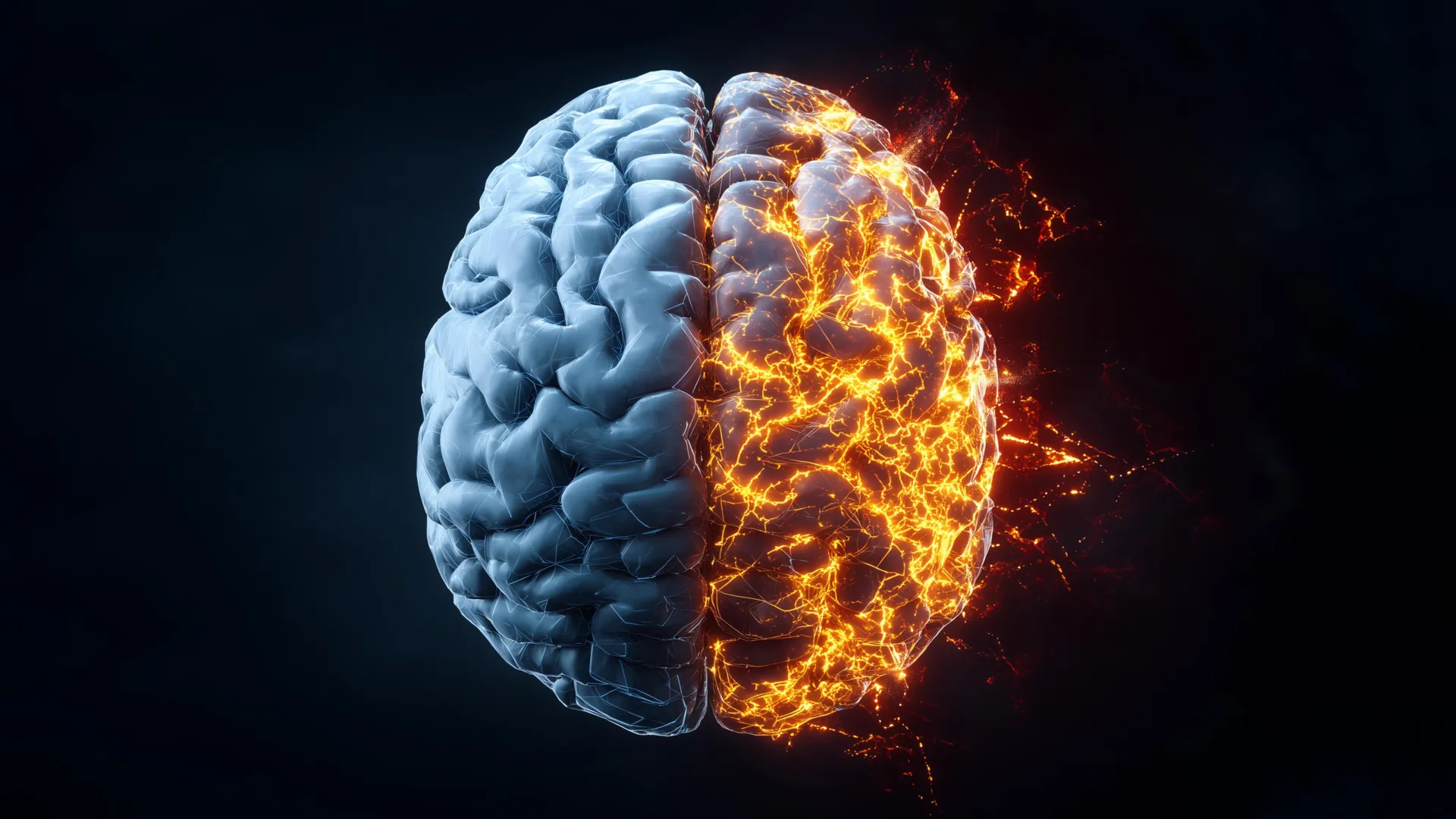
A common brain protein may be giving Alzheimer’s disease an unexpected way to spread, carrying toxic Tau proteins from damaged neurons into healthy on
Read Full Story at ScienceDaily →Why This Matters
The discovery of a protein-mediated pathway for Alzheimer’s spread could redefine the disease’s trajectory from an irreversible neurodegeneration to a potentially manageable condition. If confirmed, this mechanism offers a critical new target for therapies aimed at halting—or even reversing—cognitive decline before irreversible damage occurs. More broadly, it challenges the long-held assumption that Alzheimer’s is purely a localized brain disorder, suggesting instead that it may operate like a systemic disease with discrete, targetable stages.
Background Context
For decades, Alzheimer’s research has fixated on amyloid-beta plaques as the primary culprit, despite limited success in translating that focus into effective treatments. Meanwhile, Tau protein dysfunction has been recognized as a key player in disease progression, but its spread mechanism remained a black box. The emerging role of extracellular vesicles as Trojan horses for toxic proteins introduces a paradigm shift, echoing similar pathways in Parkinson’s and prion diseases—hinting at a unifying framework for neurodegenerative disorders.
What Happens Next
Clinical trials targeting these protein packages could accelerate within five years, with early biomarkers likely to emerge for identifying at-risk patients before symptoms appear. Regulatory pathways may need to adapt to evaluate therapies that don’t just alleviate symptoms but fundamentally disrupt the disease’s propagation. Meanwhile, ethical debates will intensify over whether preventive interventions should be prioritized for high-risk populations, even in the absence of definitive proof of long-term benefits.
Bigger Picture
This finding aligns with a growing recognition that neurodegenerative diseases are not static but dynamic, with protein misfolding and propagation resembling infectious processes. It also underscores the urgency of shifting Alzheimer’s research from symptom management to interception—a trend mirrored in oncology’s move toward early detection and precision medicine. If validated, the discovery could galvanize investment in similar mechanisms across other tauopathies, fundamentally altering the therapeutic landscape for brain disorders.