Scientists shut down cancer DNA repair to overcome drug resistance
Cancer cells often survive treatment by fixing the DNA damage that therapy is meant to cause. Researchers found that UNI418 can disrupt this repair ability, leaving cancer cells more exposed. When co…
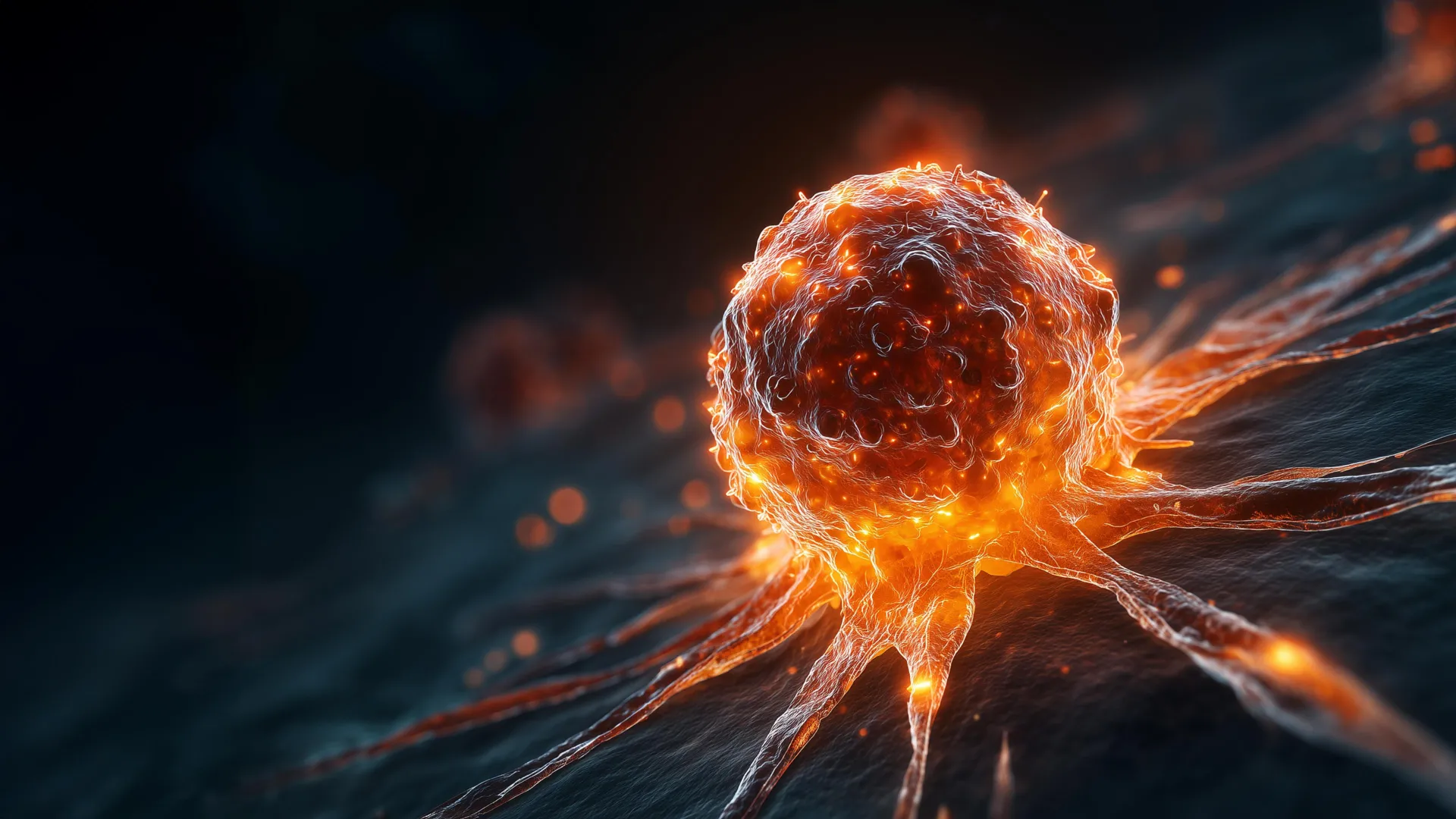
Cancer cells often survive treatment by fixing the DNA damage that therapy is meant to cause. Researchers found that UNI418 can disrupt this repair ab
Read Full Story at ScienceDaily →Why This Matters
This breakthrough challenges the longstanding paradox of cancer therapy, where treatments that initially shrink tumors often fail as cancer cells evolve resistance. By targeting a fundamental survival mechanism—DNA repair—this approach could redefine precision oncology, offering a pathway to therapies that remain effective over longer periods.
Background Context
For decades, chemotherapy and radiation have relied on inflicting DNA damage to kill cancer cells, but tumors frequently counter this by activating repair pathways like homologous recombination. Prior attempts to block these pathways, such as with PARP inhibitors, showed promise only in specific genetic contexts, leaving a critical gap in broad-spectrum applications.
What Happens Next
Clinical trials for UNI418 will be closely watched, particularly for its compatibility with existing therapies and its potential to reduce relapse rates. If successful, this could accelerate the development of combination regimens where DNA repair inhibition becomes a standard adjunct to treatment. Regulatory pathways and patient access will also hinge on early safety data.
Bigger Picture
This discovery aligns with a growing focus on synthetic lethality in oncology, where drugs exploit cancer’s unique vulnerabilities rather than broadly cytotoxic approaches. As resistance to traditional therapies mounts, such targeted strategies could shift the paradigm toward more durable, personalized cancer care.







