Shanxi coal mine blast kills 82, injures 120
A May 22 coal mine blast in Shanxi’s Liushenyu mine killed 82 and injured 120, exposing years of ignored methane risks and illegal safety violations. Experts say proper safeguards could have prevente…
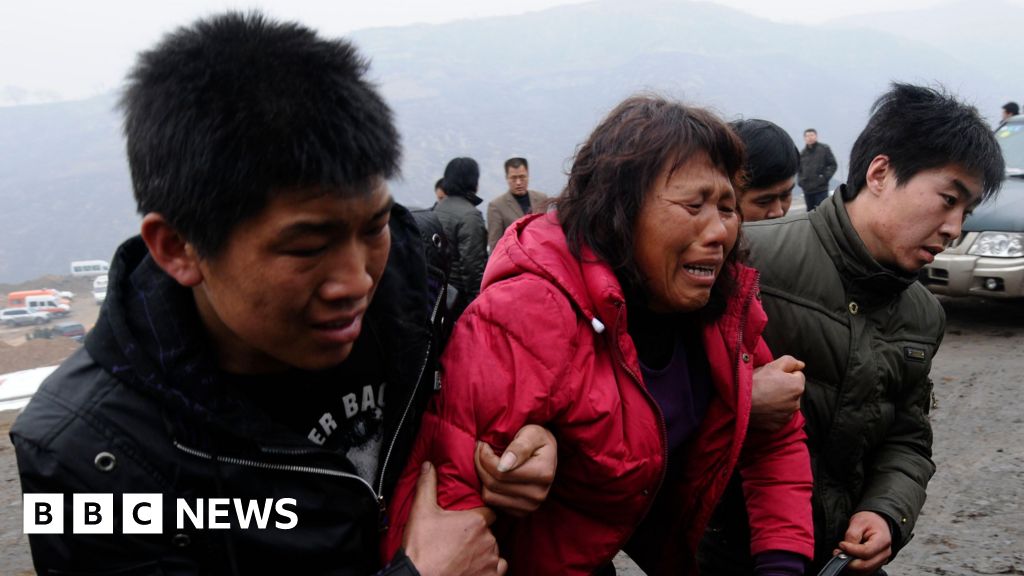
A coal mine blast in Shanxi province killed 82 people and injured more than 120 on May 22, marking China’s deadliest mining disaster in over 15 years.
Read Full Story at BBC Business →Why This Matters
The May 22 disaster in Shanxi’s Liushenyu mine isn’t just another industrial accident—it’s a systemic failure that exposes the fragility of China’s post-pandemic economic rebound. With coal still accounting for over 50% of the country’s energy mix, the blast underscores how growth priorities often override safety in a sector where profit margins depend on cutting corners. The human cost isn’t just in the 82 lives lost but in the normalization of risk where it should never exist.
Background Context
Shanxi has long been the heart of China’s coal industry, producing over a quarter of the nation’s supply. But decades of state-backed expansion have left a patchwork of mines—some state-owned, others privately run—where enforcement of safety regulations is inconsistent at best. The Liushenyu mine’s history of methane violations and unregistered workers reflects a broader pattern: local officials and mine operators often collude to meet production targets, turning a blind eye to hazards that regulators struggle to police.
What Happens Next
Expect Beijing to announce a fresh crackdown on illegal mining operations, but history suggests the response will be temporary. The real test will be whether provincial authorities dare to shutter high-risk mines that power their economies—or if they’ll revert to old habits once the headlines fade. Meanwhile, families of the victims may push for accountability, but legal recourse in China’s industrial sector remains notoriously difficult to navigate.
Bigger Picture
This disaster is a microcosm of China’s energy dilemma: balancing the insatiable demand for coal with the urgent need for modernization. As Beijing touts its green transition, the reality is that coal’s dominance won’t wane quickly enough to prevent future catastrophes. The Liushenyu blast is a warning that until safety regulations are enforced with the same rigor as production quotas, the country’s industrial growth will keep exacting a deadly price.