Semaglutide (Ozempic) linked to fewer bone fractures despite greater weight loss
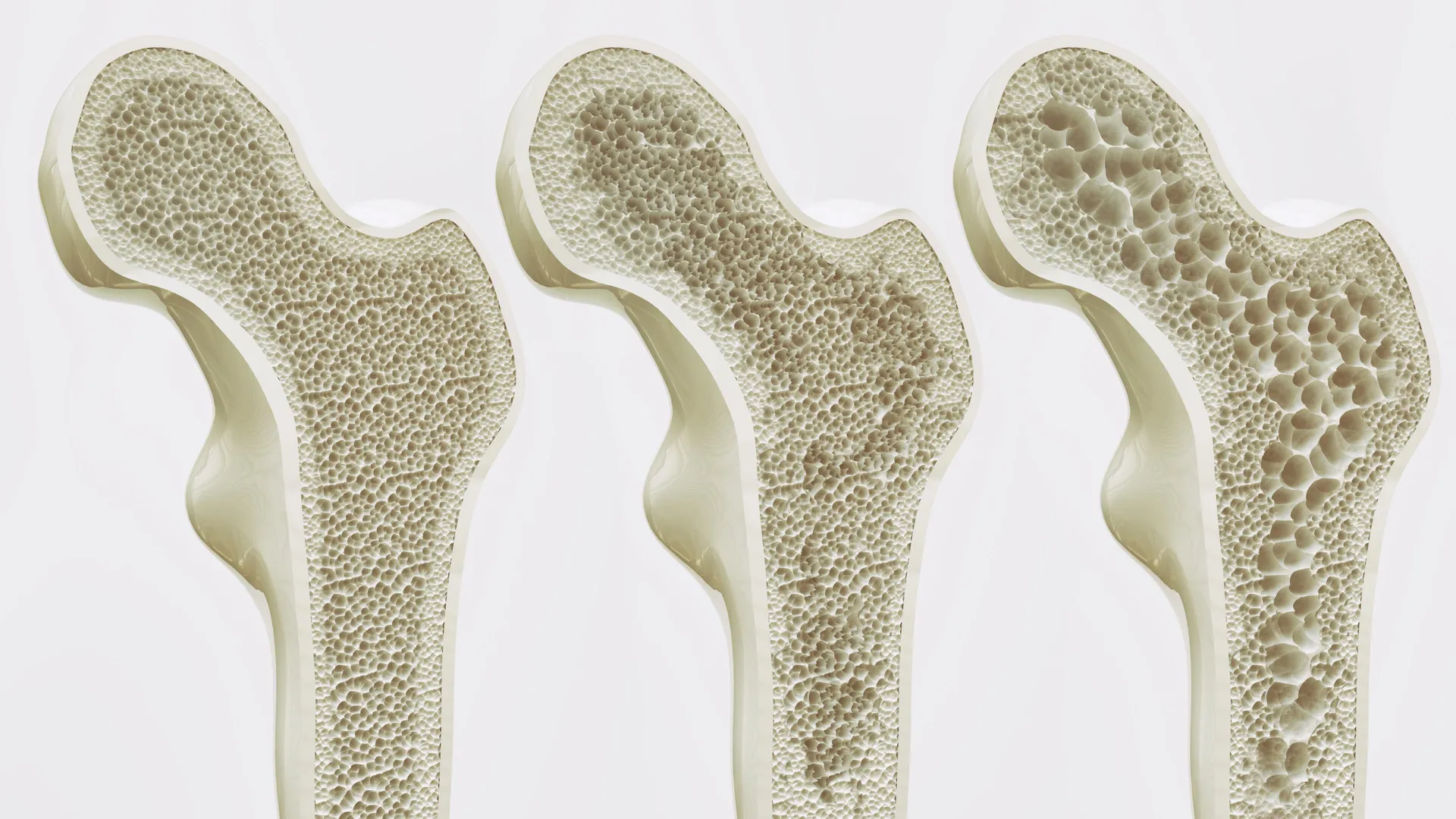
A large real-world study suggests semaglutide (Ozempic, Wegovy, Rybelsus) may offer an unexpected bonus for people with type 2 diabetes: stronger protection against bone fractures while delivering gr…
ScienceDaily — 16 June 2026
Text:
11
0
0
A large real-world study suggests semaglutide (Ozempic, Wegovy, Rybelsus) may offer an unexpected bonus for people with type 2 diabetes: stronger prot
Read Full Story at ScienceDaily →
⚡ Quickyla Analysis
Original editorial context — not sourced from the article above
The discovery that semaglutide—marketed as Ozempic for diabetes and Wegovy for weight loss—may reduce fracture risk despite driving significant weight loss challenges conventional medical wisdom. Typically, rapid weight reduction weakens bone density, increasing susceptibility to fractures. Yet emerging real-world data suggests semaglutide defies this pattern, hinting at a protective mechanism that goes beyond its primary role in glucose regulation. This finding matters not just for the 38 million Americans with type 2 diabetes or the 40% of adults classified as obese, but for the broader field of metabolic health, where the intersection of weight loss and skeletal integrity has long been a point of concern.
Understanding why this happens requires looking beyond semaglutide’s appetite-suppressing effects. While its primary mechanism involves mimicking GLP-1 to enhance insulin secretion and slow gastric emptying, animal studies suggest it may also influence bone remodeling by promoting osteoblast activity—the cells responsible for bone formation—while suppressing osteoclasts, which break down bone. Human studies have been limited and mixed, but this large-scale real-world analysis adds weight to the idea that semaglutide could have bone-protective properties independent of weight change. That’s a paradigm shift, particularly for clinicians who have historically viewed weight loss as a risk factor for fractures, especially in older adults or those with low baseline bone mass.
What remains unclear is whether the fracture reduction is sustained over years of use or if it’s an early effect that wanes as bone adapts. Long-term data is still scarce, and most studies focus on short-term outcomes. There’s also the question of whether the benefit is class-wide—affecting all GLP-1 receptor agonists like dulaglutide or liraglutide—or unique to semaglutide. Additionally, the study’s real-world design means causality is suggestive rather than definitive; unmeasured factors, such as concurrent use of osteoporosis medications or lifestyle changes, could be influencing results.
For now, the findings underscore a growing recognition that metabolic therapies may have multi-system benefits far beyond what was initially anticipated. As GLP-1 drugs dominate obesity and diabetes treatment, this research could reshape risk-benefit assessments, encouraging more proactive bone monitoring in high-risk patients. It also raises the tantalizing possibility that future drug development might target both metabolism and skeletal health simultaneously—an approach that could redefine preventive care in an aging, weight-challenged population.
Sources

🔬 Science
'Astonishing': James Webb telescope spots the most chemically primitive galaxy in the ancient universe

🔬 Science
El Niño Is Underway

🔬 Science
Astronomers gaze into the 'Crystal Ball Nebula' and see a vision of our dying sun — Space photo of the week

🔬 Science
Bacteria uncover distinct strategy to import rare sugar polymers, crystal structures show

🔬 Science
NASA Awards Contract for Johnson Space Center Infrastructure

🔬 Science
Repairing DNA damage: Scientists discover a surprising new benefit of melatonin

