Sen. James Lankford says Congress should ratify any deal Trump makes with Iran
Sen. James Lankford, R-Okla., on Sunday said “it is best” if Congress votes to ratify any potential deal to end the war in Iran, saying that a deal approved by Congress would have a more “lasting eff…
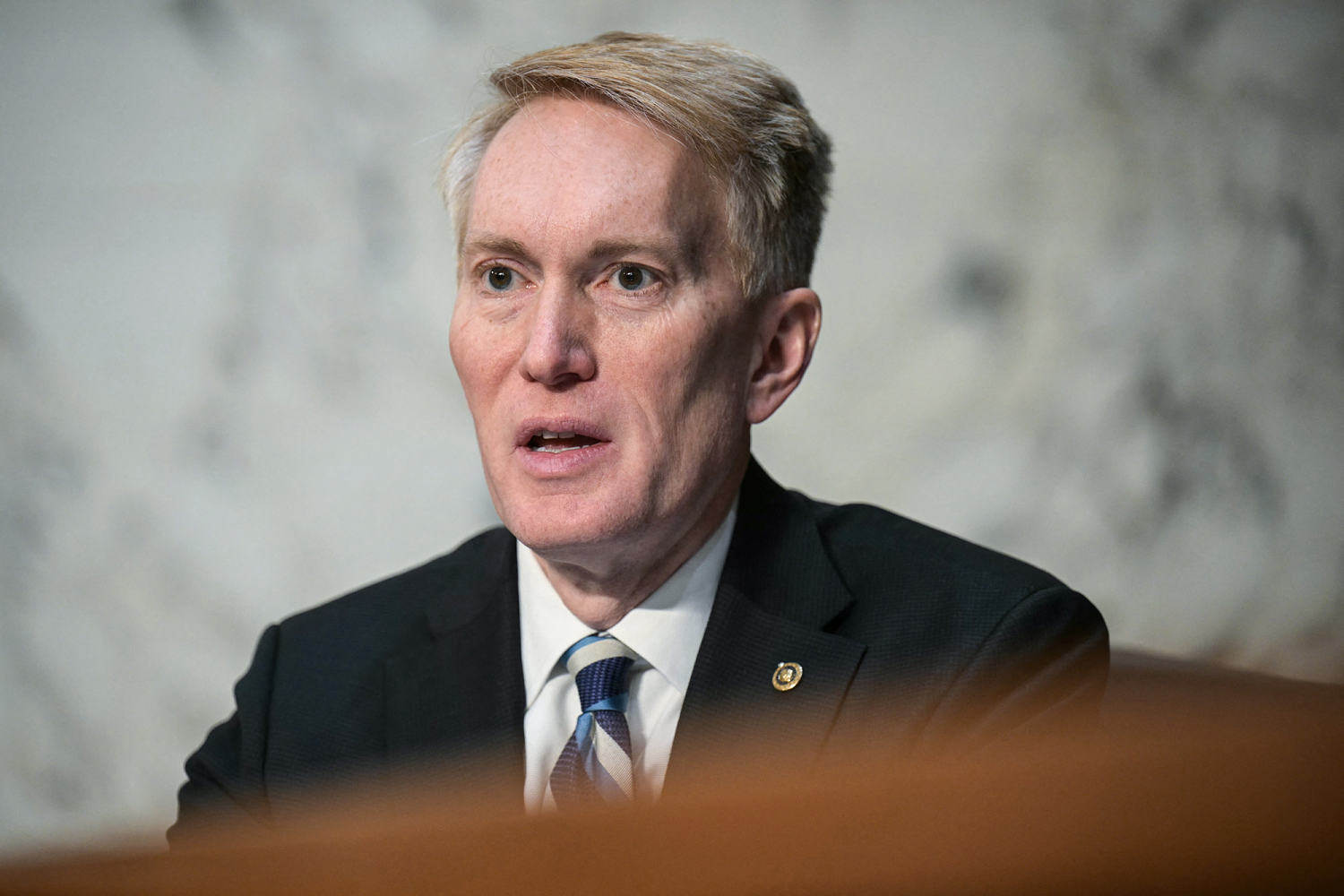
Sen. James Lankford, R-Okla., on Sunday said “it is best” if Congress votes to ratify any potential deal to end the war in Iran, saying that a deal ap
Read Full Story at NBC News →Why This Matters
The call for congressional ratification of a potential Iran deal underscores deep institutional tensions over executive authority in foreign policy—a debate that has intensified since the 1970s. If Congress asserts its role, it could redefine the balance of power in treaty-making, setting a precedent that future administrations—regardless of party—would struggle to ignore. For a region already on edge, the outcome could either stabilize or further destabilize Middle East diplomacy.
Background Context
The 2015 Iran nuclear deal, abandoned by the Trump administration in 2018, demonstrated how fragile such agreements can be without bipartisan backing. Lankford’s position reflects a broader Republican skepticism toward executive-led foreign policy, particularly on issues involving Iran, where skepticism often transcends partisan lines. Meanwhile, Iran’s recent regional maneuvers—including its support for proxy groups—have heightened congressional wariness about any concessions.
What Happens Next
Any push for ratification would likely face stiff resistance from lawmakers wary of legitimizing a deal they view as appeasement, while moderates may seek to amend terms to address concerns over Iran’s nuclear program and regional aggression. The White House could bypass Congress through executive agreements, but that risks leaving any deal vulnerable to reversal by future administrations—a lesson from the 2015 deal’s collapse. Watch for signals from key committees, particularly Foreign Relations, where bipartisan skepticism could shape the debate.
Bigger Picture
This episode fits a broader pattern of Congress reclaiming foreign policy prerogatives amid declining trust in presidential discretion, whether under Biden’s Iran outreach or Trump’s earlier Middle East deals. With U.S.-Iran tensions simmering and regional allies like Israel and Saudi Arabia demanding a hard line, the pressure on lawmakers to assert oversight could grow—potentially reshaping how America negotiates with adversarial regimes. The stakes extend beyond Iran, testing whether Congress can assert itself in an era where executive actions often outpace legislative input.







