🏛️ Politics
Live
Sister of Jo Cox urges 'common ground' 10 years after her murder
When I arrive in Kim Leadbeater's office, she is - as ever - fizzing with energy. The Spen Valley Labour MP has just treated her staff to fish and chips, and her desk is overflowing with paperwork. …
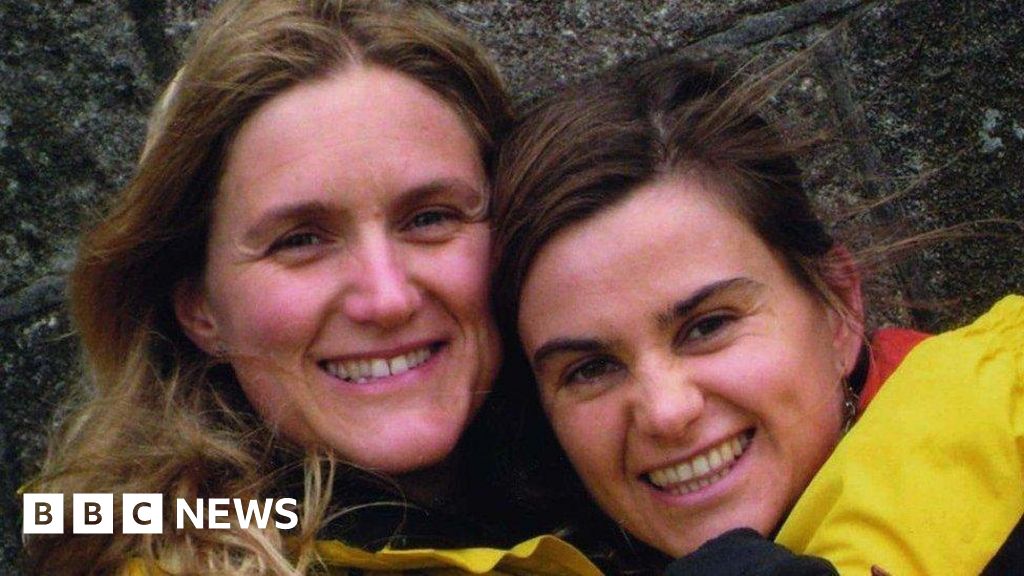
BBC Politics — 15 June 2026
Text:
19
0
0
When I arrive in Kim Leadbeater's office, she is - as ever - fizzing with energy. The Spen Valley Labour MP has just treated her staff to fish and ch
Read Full Story at BBC Politics →
⚡ Quickyla Analysis
Original editorial context — not sourced from the article above
The murder of Jo Cox ten years ago was more than a personal tragedy—it was a rupture in British political culture. Cox, a Labour MP known for her compassion and advocacy, was killed by a far-right extremist during the fraught Brexit referendum campaign, a moment when political discourse had already grown dangerously polarized. Her sister Kim Leadbeater’s call for “common ground” today is not just a memorial plea but a challenge to a nation still grappling with divisions that Cox herself warned about. In an era where populist rhetoric often replaces nuance with tribalism, Leadbeater’s insistence on unity resonates beyond her family’s grief—it’s a reminder of what British politics has lost and what it might reclaim.
What many may not recall is how Cox’s death crystallized fears about the normalization of hate speech in public life. The Brexit campaign’s divisive language, amplified by media and social platforms, created an atmosphere where violence against politicians—once unthinkable—became a grim possibility. Cox’s murder forced a reckoning, yet her legacy has often been overshadowed by the very forces she fought against. Leadbeater’s work, from hosting community events to advocating for mental health support, reflects a quieter but equally vital form of resistance: rebuilding trust through grassroots engagement, not ideological purity.
Looking ahead, the question is whether Leadbeater’s message can cut through the noise. With political polarization as entrenched as ever—exacerbated by AI-driven misinformation and the rise of far-right movements—her call for common ground risks sounding naive to those who see compromise as weakness. Yet history suggests that societies rebound not through grand gestures but through persistent, unglamorous efforts to heal fractures. The challenge now is whether institutions, from Parliament to local councils, will prioritize this kind of rebuilding over the allure of division.
Leadbeater’s energy and determination are undeniable, but the broader trend remains uncertain. Will the memory of Jo Cox inspire a new generation of politicians to reject the politics of outrage? Or will her legacy fade into the background, another cautionary tale in an age of escalating conflict? The answer may depend on whether enough people choose to listen.
Sources

🏛️ Politics
Secretary of State Marco Rubio faces questions about Iran war on Capitol Hill

🏛️ Politics
"Fujimori never again!" Protesters fill streets of Lima ahead of Peru presidential elections

🏛️ Politics
US not 'turning back' on Asia allies, but expects them to boost defence, says Hegseth

🏛️ Politics
Trump: Reports US, Iran stopped speaking ‘false and erroneous’

🏛️ Politics
Pence: There’s ‘clearly” been an effort to ‘rewrite’ Jan. 6 history

🏛️ Politics
Washington, Silicon Valley brace for AI job losses

