💻 Technology
Live
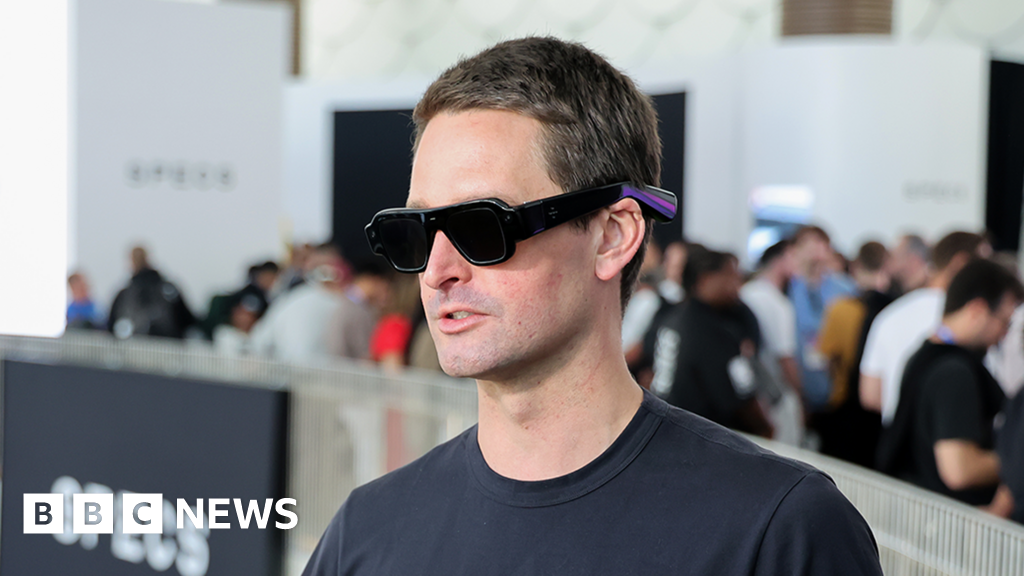
Snap unveils $2,195 smart glasses after previous flops
Snapchat's parent company has announced it is releasing new smart glasses, a decade after its original pair lost the company tens of millions of dollars . The new augmented reality (AR) glasses, cal…
BBC Technology — 17 June 2026
Text:
26
0
0
Snapchat's parent company has announced it is releasing new smart glasses, a decade after its original pair lost the company tens of millions of dolla
Read Full Story at BBC Technology →
⚡ Quickyla Analysis
Original editorial context — not sourced from the article above
Snap’s return to the smart glasses market with a $2,195 price tag isn’t just another tech company chasing the next big thing—it’s a high-stakes gamble on whether consumers are finally ready to embrace augmented reality as a daily accessory, not just a novelty. The company’s first foray into this space in 2016 was a commercial disaster, losing tens of millions on a product that felt more like a gimmick than a revolution. Yet the market has shifted dramatically since then. The rise of AI-powered tools, the mainstreaming of virtual try-ons in retail, and even the growing use of AR in enterprise settings—from warehouse logistics to medical training—suggest that the technology’s moment may have arrived. If Snap’s new glasses can deliver on the promise of seamless, useful AR integration, it could redefine how we interact with digital information in the physical world.
What’s less discussed is the financial and strategic tightrope Snap is walking. At nearly $2,200, these glasses aren’t just expensive; they’re a luxury item, positioning them in direct competition with high-end wearables like Apple’s Vision Pro, which starts at $3,500. But while Apple’s device is a standalone computer, Snap’s glasses rely on a smartphone tether, limiting their standalone utility. The real question is whether consumers are willing to pay a premium for AR features that still feel peripheral to their daily lives. Early adopters might bite, but mass-market appeal remains elusive.
The broader trend here is the slow but steady convergence of AR and AI. As generative AI tools become more sophisticated, the glasses could evolve from passive viewers to active assistants, overlaying real-time translations, contextual information, or even conversational AI into the wearer’s field of vision. Yet the biggest hurdle isn’t technology—it’s habit. Most people still don’t see a need to wear a headset in public, and privacy concerns around always-on cameras could spark backlash. Snap’s success hinges on whether it can convince users that AR isn’t just a flashy upgrade, but a necessity. If it fails again, the smart glasses market may remain a niche playground for tech enthusiasts—at least for now.
Sources

💻 Technology
You can now beat ChatGPT Codex rate limits, if you have friends

💻 Technology
Meta is reportedly developing an AI pendant

💻 Technology
Cash App made a magic wand for contactless payments

💻 Technology
Coders are refusing to work without AI — and that could come back to bite them

💻 Technology
Hackers hijacked Instagram accounts by tricking Meta AI support chatbot into granting access

💻 Technology
Asus gives the ROX Xbox Ally the OLED screen it deserves

