SpaceX aims to make its stock market debut at $1.77 trillion value
Elon Musk’s SpaceX announced Wednesday that it intends to make its stock market debut next week at a $1.77 trillion valuation.
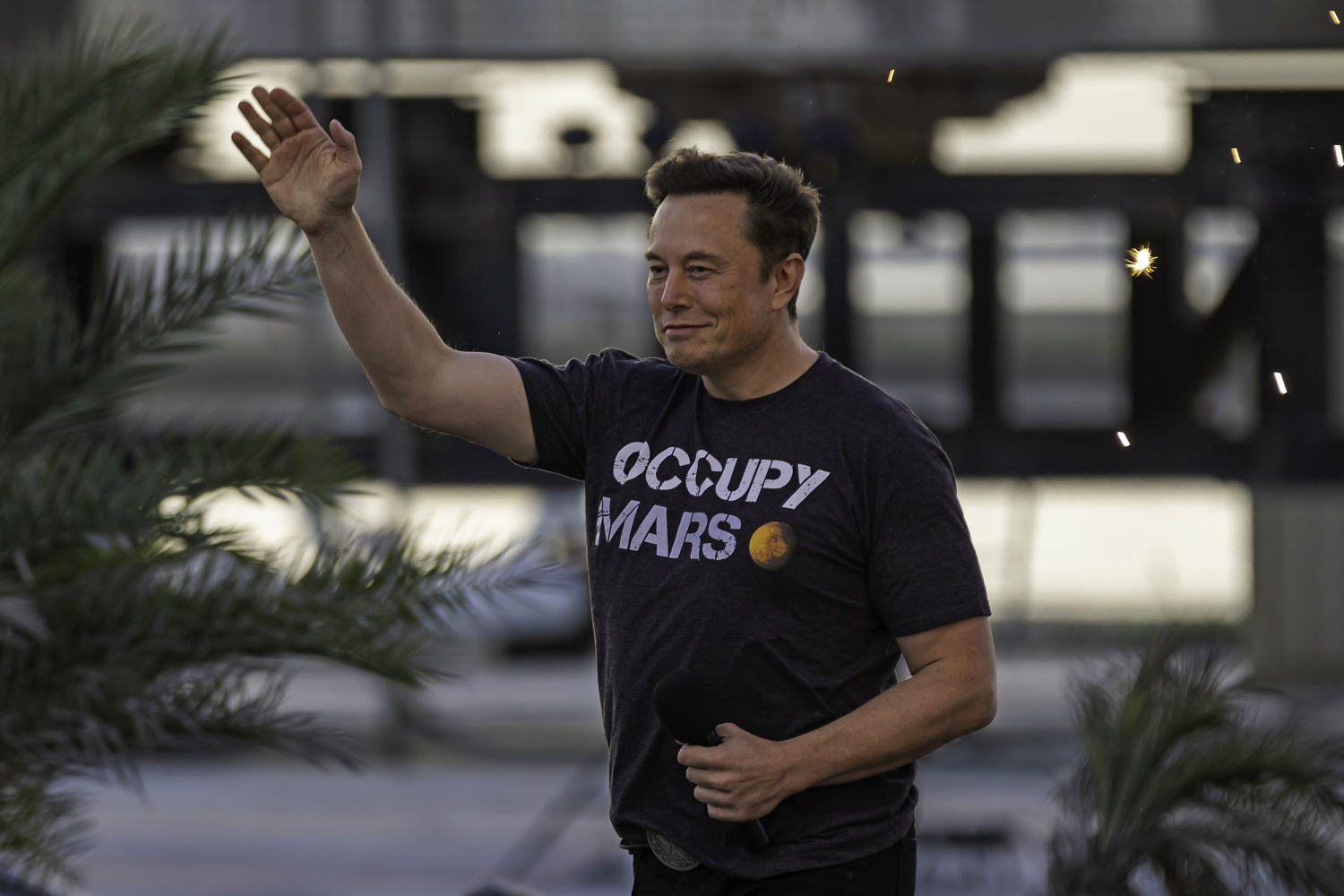
Elon Musk’s SpaceX announced Wednesday that it intends to make its stock market debut next week at a $1.77 trillion valuation. This report comes from
Read Full Story at NBC News →Why This Matters
The push to list SpaceX at a $1.77 trillion valuation isn’t just about another corporate stock sale—it’s a bet on the future of space infrastructure as a cornerstone of global economic growth. With governments and private entities increasingly reliant on satellite networks, space tourism, and orbital logistics, this valuation signals investors see space as the next trillion-dollar industry beyond traditional tech and energy sectors.
Background Context
SpaceX has spent nearly two decades pioneering reusable rockets and satellite deployment, but its valuation surge reflects more than just proven technology—it mirrors the Pentagon’s growing dependence on its Starlink network for secure communications and the expanding ambitions of other space ventures like Blue Origin and China’s state-backed programs. The valuation also comes amid a regulatory limbo, where the FCC’s slow approvals for satellite constellations risk throttling innovation just as demand explodes.
What Happens Next
If the debut succeeds, it could unlock a flood of capital into space-related startups, but a failed listing might force SpaceX to reconsider its stake sales or pivot to alternative funding models. Watch for signs of demand among institutional investors wary of Musk’s volatility, as well as how the SEC’s scrutiny of Starlink’s government contracts affects perception. The timing also raises questions about whether this valuation accounts for potential liabilities from Starship’s unproven orbital capabilities.
Bigger Picture
This moment underscores the space sector’s transition from a government-funded curiosity to a high-stakes commercial battleground, where private capital now dictates the pace of progress. It also highlights a paradox: while space is often framed as the ultimate frontier for human ambition, its economic viability hinges on terrestrial industries like AI, cloud computing, and even agriculture—all of which rely on orbital infrastructure to function. The outcome here may set the tone for whether space remains an elite playground or evolves into a critical utility.






