💻 Technology
Live
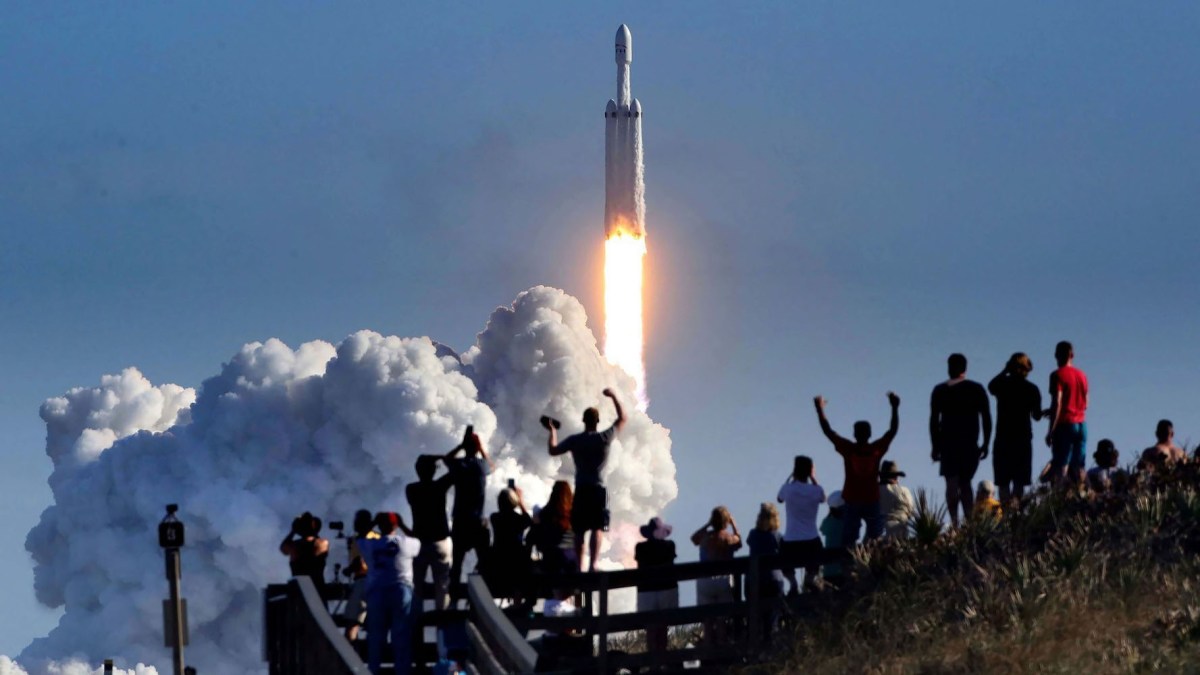
SpaceX passes Amazon as valuation balloons to $2.7T
SpaceX's valuation has increased by $1 trillion since its shares started trading on Friday.
TechCrunch — 16 June 2026
Text:
13
0
0
SpaceX's valuation has increased by $1 trillion since its shares started trading on Friday. This report comes from TechCrunch. The story centres on S
Read Full Story at TechCrunch →
⚡ Quickyla Analysis
Original editorial context — not sourced from the article above
The surge in SpaceX’s valuation to $2.7 trillion—briefly overtaking Amazon—marks more than just a financial milestone; it signals a tectonic shift in how investors and markets perceive the future of space commerce. Unlike traditional tech giants, SpaceX’s valuation hinges not on digital dominance but on its role as the primary enabler of a new industrial frontier. This isn’t merely about rocket launches or satellite constellations; it’s about the infrastructure that will underpin everything from global internet access to lunar mining and orbital manufacturing. The valuation jump reflects a growing conviction that space is no longer a speculative playground for governments and billionaires but a critical economic domain where first-mover advantages will dictate long-term power.
What makes this development particularly striking is the timing. SpaceX’s valuation spike coincides with a broader recalibration of tech valuations, where companies tied to tangible, high-growth sectors—like AI and aerospace—are being rewarded more generously than those struggling with profitability in saturated markets. The private markets have long treated space as a niche, high-risk bet, but the rapid appreciation suggests a tipping point: investors are betting on SpaceX’s ability to monetize its Starlink network, reusable rockets, and eventual Mars ambitions before regulators or competitors can catch up. This mirrors the dot-com boom’s early days, where infrastructure bets outpaced near-term revenues.
Yet the story also raises unanswered questions. Can SpaceX sustain its valuation if regulatory hurdles—such as spectrum allocation for Starlink or international space treaties—delay its expansion? Will its reliance on government contracts (NASA, Pentagon) create vulnerabilities if priorities shift? And crucially, can its competitors, from Amazon’s Project Kuiper to China’s state-backed ventures, disrupt its dominance? The broader trend here is the militarization and commercialization of space, where geopolitical competition is accelerating innovation but also increasing risks. SpaceX’s valuation isn’t just a corporate milestone; it’s a bet that the rules of the next century’s economy will be written among the stars.
Sources

💻 Technology
You can now beat ChatGPT Codex rate limits, if you have friends

💻 Technology
Cash App made a magic wand for contactless payments

💻 Technology
Coders are refusing to work without AI — and that could come back to bite them

💻 Technology
Hackers hijacked Instagram accounts by tricking Meta AI support chatbot into granting access

💻 Technology
‘Backrooms’ $118M WW Bonanza; ‘Obsession’ Obsessed With $148M WW; ‘Michael’ Nearing $900M WW – Global Box Office Update

💻 Technology
Asus gives the ROX Xbox Ally the OLED screen it deserves

