Spain’s ‘post-secular’ cultural moment may offer opportunity for Leo XIV
Pope Leo XIV's June visit to Spain follows a decline in Catholic church attendance, from 30% in the 1980s to under 10% today, amid rising secularization. The visit occurs as Spain embraces post-secul…
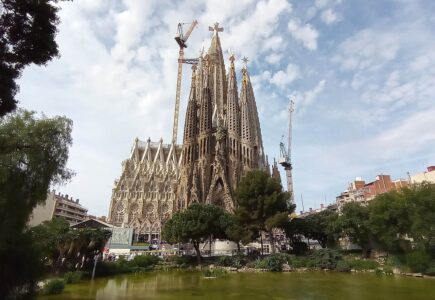
Pope Leo XIV is set to visit Spain in early June, marking a pivotal moment in the country’s evolving religious and cultural landscape. Once a strongho
Read Full Story at Crux Now →Why This Matters
Pope Leo XIV’s visit to Spain arrives at a pivotal juncture where secularization has reshaped Europe’s spiritual landscape without erasing its cultural memory of faith. The shift reflects a paradox: while institutional religion wanes, the undercurrents of Catholic identity still shape national debates on identity, migration, and social values. For a papacy positioning itself as a bridge between tradition and modernity, Spain offers a proving ground for whether the Church can re-engage a society that no longer sees itself as religious but remains deeply influenced by its historic faith.
Background Context
The decline in Catholic observance in Spain—from more than a quarter of the population attending Mass regularly in the 1980s to fewer than one in ten today—mirrors broader European trends but carries unique political weight. Spain’s transition from Franco’s authoritarian Catholic nationalism to a secular democracy in the late 20th century left the Church stripped of its former monopoly on morality, yet its symbols and rituals endure in festivals, architecture, and collective memory. Meanwhile, Spain’s post-secular moment is marked by a resurgence of identity politics, where debates over abortion, gender rights, and national belonging often invoke Catholic imagery even among non-believers.
What Happens Next
Leo XIV’s visit will test whether the papacy can capitalize on Spain’s cultural openness to spiritual themes without triggering backlash from secular elites or progressive factions. The outcome may hinge on his ability to frame Catholic social teaching in ways that resonate beyond church pews—such as on climate justice or economic inequality—topics where Spain’s young, disaffected voters increasingly seek moral frameworks. Equally critical will be the Vatican’s response to Spain’s growing Muslim minority, where interfaith gestures could either deepen dialogue or provoke nationalist suspicion of foreign religious influence.
Bigger Picture
Spain’s post-secular moment is part of a larger European reckoning, where faith is no longer a default identity but remains a potent cultural force in unexpected places. The continent’s declining church attendance coexists with surging interest in spirituality among millennials and Gen Z, suggesting a fragmentation rather than disappearance of religious influence. For the Catholic Church, Spain represents both a challenge and an opportunity: a society where the absence of belief may paradoxically create space for a papacy to redefine its