Spain's visitor numbers hit new highs as tourists avoid Middle East
From the rooftop terrace of a hotel, Fede Fuster looks out across Benidorm, at the nearby high-rise buildings and the town's famous, sweeping beach. "With all its virtues and its defects this is a p…
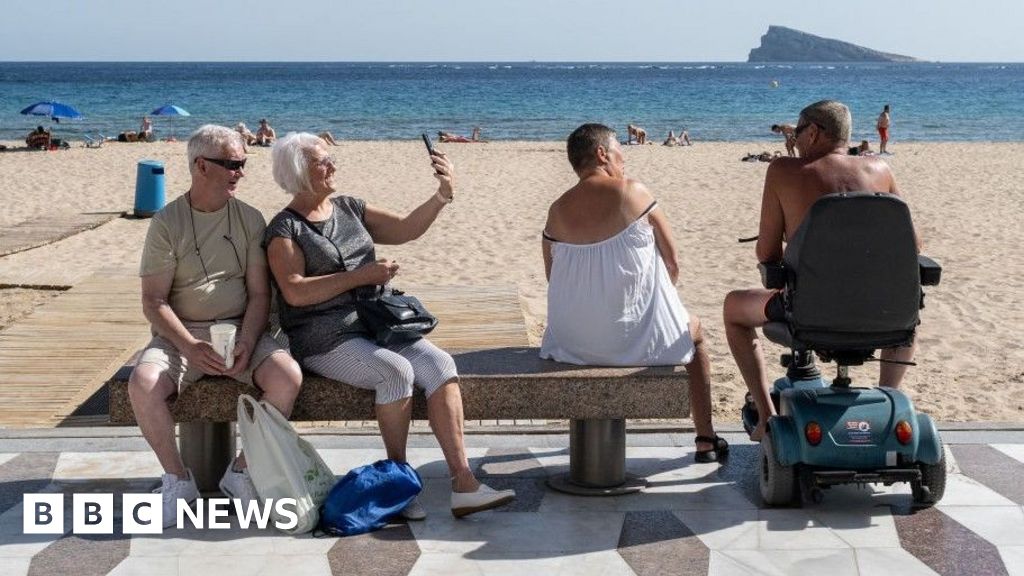
From the rooftop terrace of a hotel, Fede Fuster looks out across Benidorm, at the nearby high-rise buildings and the town's famous, sweeping beach.
Read Full Story at BBC World News →Why This Matters
The surge in Spain's tourism numbers reflects deeper geopolitical and economic shifts, as travelers increasingly reroute away from perceived instability in the Middle East. This trend underscores Spain's growing role as a stable, culturally rich alternative in Europe's competitive holiday market, with implications for both its hospitality infrastructure and long-term economic strategy.
Background Context
Spain has long been a top European destination, but recent years have seen it capitalize on crises elsewhere—from the Israel-Hamas war to regional unrest—to solidify its appeal. The country's tourism rebound post-pandemic has been fueled by aggressive marketing, affordable pricing, and a reputation for safety, though critics warn of over-tourism in coastal hubs like Benidorm.
What Happens Next
If the Middle East remains volatile, Spain may need to invest in sustainable tourism solutions to prevent strain on local resources and communities. Policymakers and industry leaders will likely debate whether to cap visitor numbers or expand into lesser-known regions to distribute economic benefits more evenly across the country.
Bigger Picture
This shift mirrors a broader reconfiguration of global tourism, where safety and stability increasingly dictate travel patterns. Spain's success could inspire other European destinations to re-evaluate their marketing strategies, while also highlighting the risks of over-reliance on a single industry for economic growth.







