Starmer pleased 'justice has been done' after arson attacks
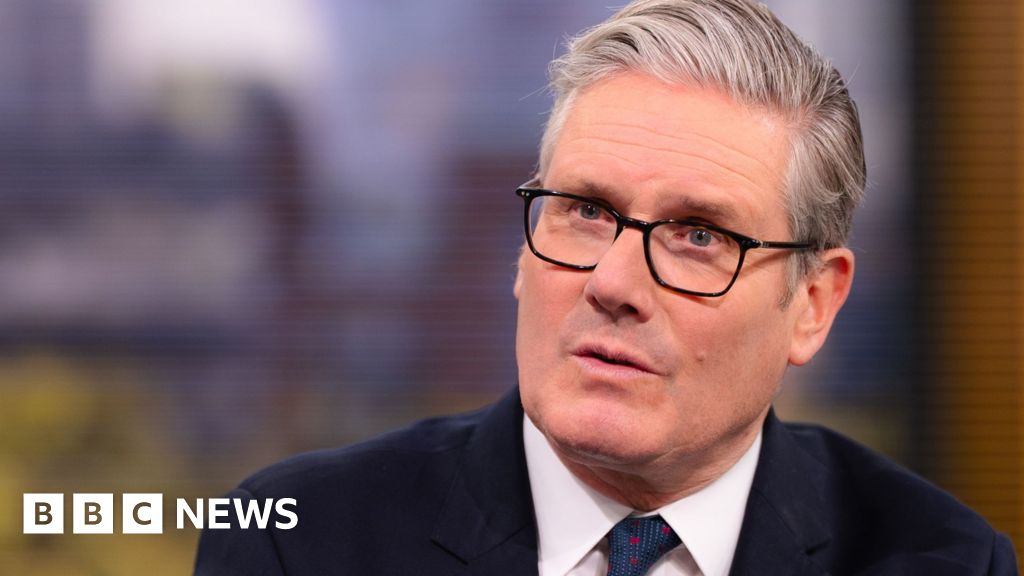
Prime Minister Sir Keir Starmer has said he is pleased "justice has been done" after two men were convicted of arson attacks on property connected to him. Ukrainian national Roman Lavrynovych, 22, a…
BBC Politics — 16 June 2026
Text:
19
0
0
Prime Minister Sir Keir Starmer has said he is pleased "justice has been done" after two men were convicted of arson attacks on property connected to
Read Full Story at BBC Politics →
⚡ Quickyla Analysis
Original editorial context — not sourced from the article above
The conviction of two men for arson attacks on properties linked to Prime Minister Keir Starmer’s family marks more than just a legal resolution—it underscores the escalating climate of political intimidation in Britain. While the attacks themselves were isolated incidents, their timing and the high-profile nature of the figures involved amplify their significance. This case is not merely about criminal justice; it reflects a broader erosion of civic discourse, where public figures—regardless of their policies—are increasingly targeted for personal attacks. The fact that the arson occurred at properties *connected* to Starmer rather than directly targeting him personally suggests a calculated attempt to instill fear, a tactic more commonly associated with extremist movements than domestic vandalism.
Such incidents are not without precedent in British politics. The surge in political violence in recent years, from MPs being harassed to MPs’ offices being vandalized, has been fueled by a toxic mix of social media polarization, economic anxiety, and the mainstreaming of conspiratorial rhetoric. The conviction of these two men may bring a sense of closure, but it does little to address the underlying conditions that make such attacks more likely. Critics of the government might argue that the rhetoric from certain factions—whether from far-left activists or far-right agitators—has normalized hostility toward political opponents. Meanwhile, supporters of Starmer could point to the attacks as evidence of the need for stronger protections for public figures, though such measures always risk being seen as politically motivated.
What remains unclear is whether this case will deter future acts of intimidation or merely embolden those who see political violence as a legitimate tool. The broader trend of declining trust in institutions and rising support for fringe ideologies suggests that the risk of further incidents remains high. For now, the justice system has delivered a verdict, but the deeper societal fractures that incubate such violence persist, waiting for the next spark.
Sources

🏛️ Politics
Secretary of State Marco Rubio faces questions about Iran war on Capitol Hill

🏛️ Politics
"Fujimori never again!" Protesters fill streets of Lima ahead of Peru presidential elections

🏛️ Politics
US not 'turning back' on Asia allies, but expects them to boost defence, says Hegseth

🏛️ Politics
Trump: Reports US, Iran stopped speaking ‘false and erroneous’

🏛️ Politics
Pence: There’s ‘clearly” been an effort to ‘rewrite’ Jan. 6 history

🏛️ Politics
Washington, Silicon Valley brace for AI job losses

