🌍 World News
Live
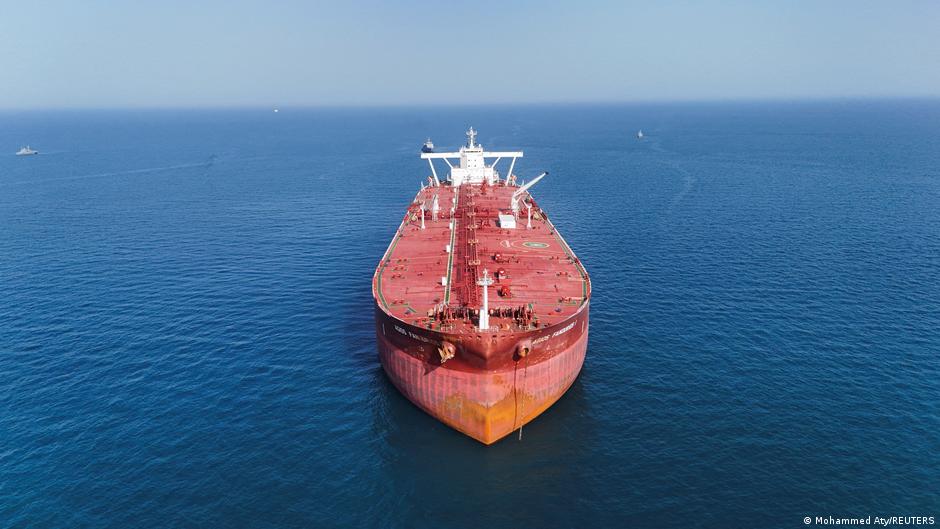
Strait of Hormuz reopening won't restore normal prewar shipping any time soon
US President Donald Trump on Sunday hailed a framework agreement between the United States and Iran aimed at ending hostilities in the Gulf that have reduced commercial shipping in the Strait of Horm…
DW World — 15 June 2026
Text:
31
0
0
US President Donald Trump on Sunday hailed a framework agreement between the United States and Iran aimed at ending hostilities in the Gulf that have
Read Full Story at DW World →
⚡ Quickyla Analysis
Original editorial context — not sourced from the article above
The tentative détente between Washington and Tehran offers a glimmer of hope for one of the world’s most vital shipping arteries, but the Strait of Hormuz is unlikely to revert to prewar conditions anytime soon. Even if hostilities fade, the infrastructure damage, lingering mistrust among insurers, and unresolved regional rivalries suggest a prolonged recovery rather than a quick rebound. The strait, through which roughly a fifth of global oil supplies pass, has been a flashpoint since 2019, when Iran seized tankers and targeted regional energy assets. While a framework agreement could ease direct confrontations, the structural risks—from sabotaged pipelines to drone attacks—remain embedded in the geopolitical landscape.
Behind the headlines lies a deeper cautionary tale about the fragility of maritime security in an era of proxy wars and asymmetric threats. Shipping lines have rerouted vessels around Africa or through the Suez Canal, avoiding the strait’s hazards but adding days and millions in costs to supply chains. Even if insurance premiums dip slightly, many carriers may hesitate to resume full operations until guarantees on safe passage are ironclad. Meanwhile, regional players like the UAE and Saudi Arabia, wary of renewed Iranian aggression, are unlikely to abandon their own security partnerships with the US and partners like India. This layered distrust could stall any full normalization.
Looking ahead, two critical questions emerge. First, can Iran sustain a fragile ceasefire with its domestic pressures mounting, or will hardliners sabotage diplomatic gains? Second, will Washington’s next administration—whether Democratic or Republican—prioritize sustained engagement or revert to pressure tactics that have historically failed to curb Iranian behavior? The answers will shape not just Hormuz’s future but the broader calculus of energy markets and global trade routes.
This episode underscores a broader trend: in an era where great-power rivalry meets transnational shipping lanes, even localized conflicts can ripple across the world economy. The strait’s reopening may ease tensions, but the scars of recent years serve as a reminder that trust, once broken, is slow to mend in the high-stakes theater of the Gulf.
Sources

🌍 World News
Man fleeing police attacked by alligator before continuing his getaway, Louisiana authorities say
🌍 World News
US crude exports hit record high in May as Iran war tightens global oil supplies

🌍 World News
Agitators outside Delaney Hall set up organized logistics operation before Newark protests began

🌍 World News
French doctors sound alarm over drinking water pollution

🌍 World News
Iran, Kuwait, Bahrain hit: Is the war in the Gulf escalating again?

🌍 World News
Four people trapped in flooded cave in Laos pulled to safety

