🔬 Science
Live
Superconductivity breakthrough could unlock ultra-efficient electronics
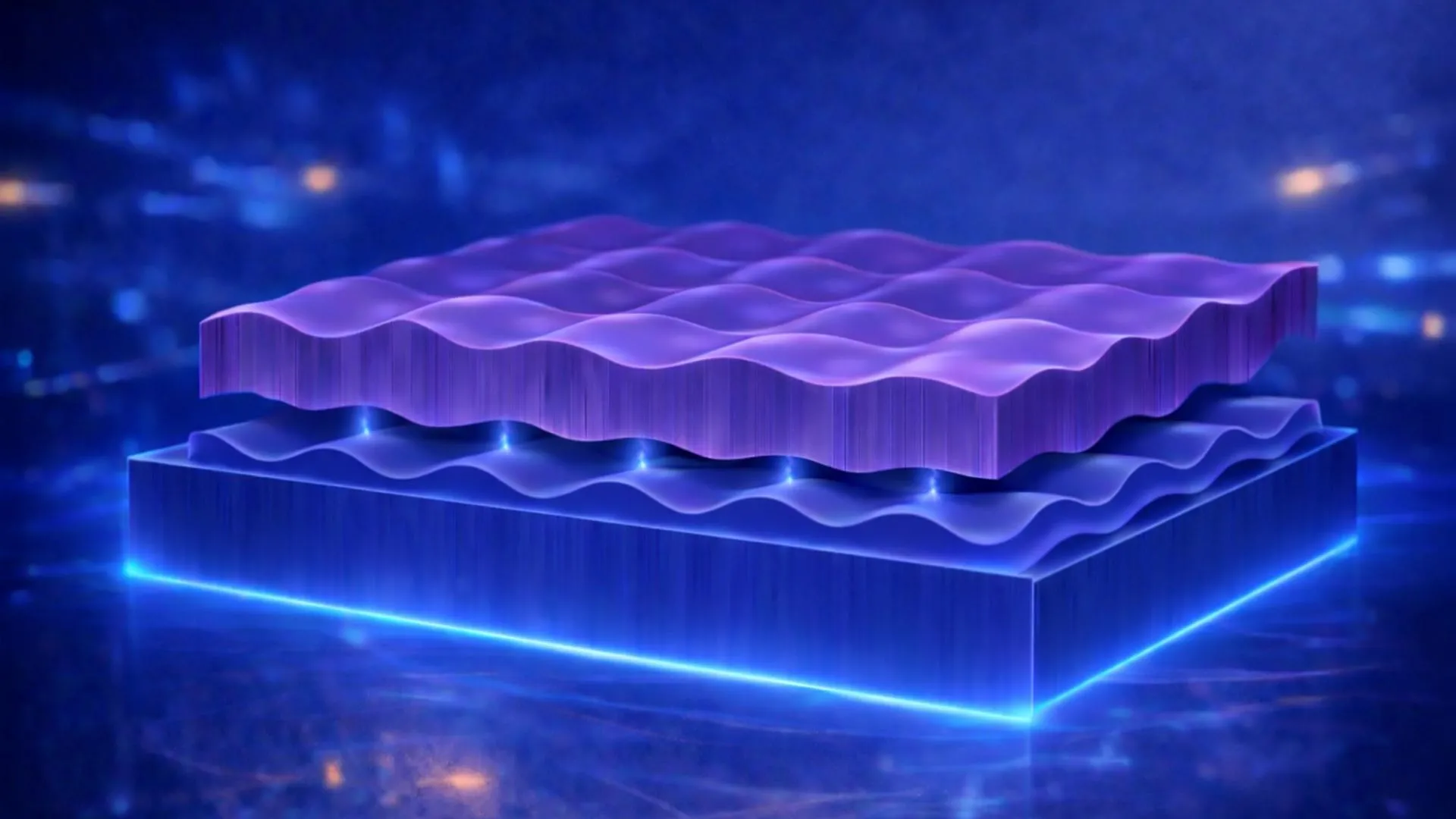
A clever nanoscale redesign may have solved one of superconductivity’s biggest problems. Researchers in Sweden discovered that by subtly sculpting the surface beneath an ultrathin superconducting mat…
ScienceDaily — 17 June 2026
Text:
14
0
0
A clever nanoscale redesign may have solved one of superconductivity’s biggest problems. Researchers in Sweden discovered that by subtly sculpting the
Read Full Story at ScienceDaily →
⚡ Quickyla Analysis
Original editorial context — not sourced from the article above
A superconductivity breakthrough that could redefine the limits of electronics isn’t just another incremental advance—it’s a potential inflection point for entire industries. The Swedish research, focusing on nanoscale engineering beneath ultrathin superconducting films, hints at a path beyond the long-standing trade-off between high-temperature superconductivity and practical usability. Superconductors, which transmit electricity with zero resistance, have long promised revolutionary gains in energy efficiency, MRI precision, and quantum computing. Yet their real-world adoption has stalled because most superconductors require extreme cold or immense pressure to function, while those that work at relatively higher temperatures (like cuprates or iron-based compounds) are notoriously difficult to fabricate into usable devices. The discovery that surface sculpting can stabilize superconductivity at practical temperatures and thicknesses could dismantle this barrier, making way for superconducting components that integrate seamlessly with existing semiconductor technologies.
This isn’t the first time surface engineering has been eyed as a solution. Earlier attempts to stabilize superconducting layers often relied on rigid substrates or chemical doping, which introduced new instabilities or compromised performance. The Swedish approach—subtle, mechanical sculpting—suggests a more elegant workaround: by carefully patterning the underlying surface, researchers may be able to coax superconducting films into maintaining coherence across greater areas and under less extreme conditions. That matters because superconducting circuits could drastically reduce energy losses in data centers, enable lossless power grids, or accelerate the development of room-temperature quantum processors.
What’s still unclear is whether this method scales beyond lab prototypes. The breakthrough likely involves intricate nanofabrication, which could prove costly or fragile in mass production. There’s also the question of how this approach interacts with other superconducting materials—whether it’s a universal fix or tailored to specific compounds. If it pans out, though, it would align with a broader trend in materials science: the shift from brute-force cooling or pressure toward precision engineering. From graphene’s atomic-scale manipulation to topological insulators, the field is increasingly betting on structural control over environmental extremes. The next phase will hinge on whether this surface sculpting can be replicated, optimized, and integrated—ushering in an era where superconductivity isn’t just a lab marvel, but a cornerstone of next-generation technology.
Sources

🔬 Science
'Astonishing': James Webb telescope spots the most chemically primitive galaxy in the ancient universe

🔬 Science
El Niño Is Underway

🔬 Science
Astronomers gaze into the 'Crystal Ball Nebula' and see a vision of our dying sun — Space photo of the week

🔬 Science
Bacteria uncover distinct strategy to import rare sugar polymers, crystal structures show

🔬 Science
NASA Awards Contract for Johnson Space Center Infrastructure

🔬 Science
Repairing DNA damage: Scientists discover a surprising new benefit of melatonin

