Supersonic!
On June 5, 2026, NASA’s experimental X-59 aircraft flew faster than the speed of sound for the first time, setting the stage for demonstrating its quiet supersonic capabilities later this year. NASA …
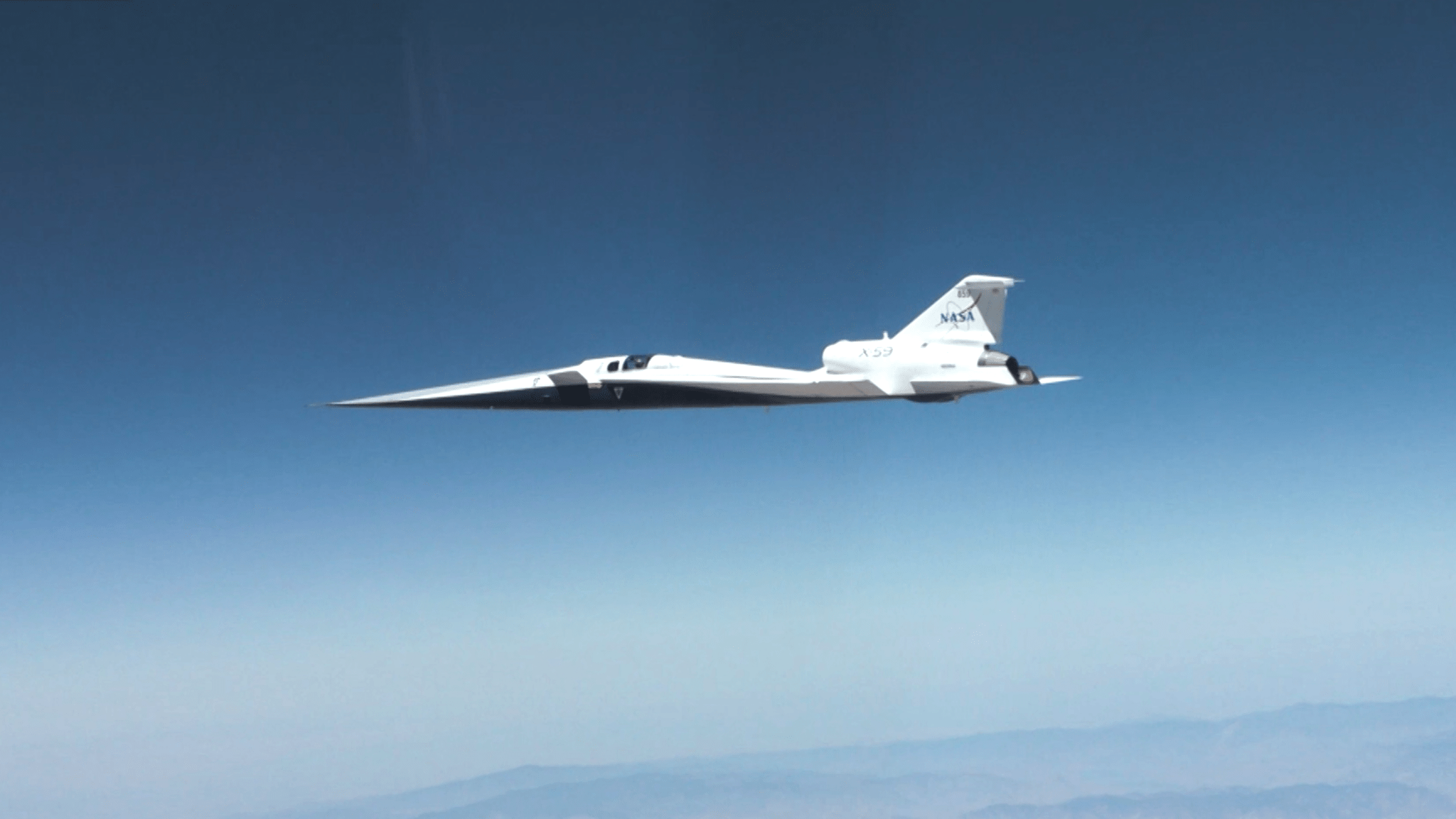
On June 5, 2026, NASA’s experimental X-59 aircraft flew faster than the speed of sound for the first time, setting the stage for demonstrating its qui
Read Full Story at NASA →Why This Matters
This milestone marks a turning point in aviation history, proving that supersonic flight can coexist with modern regulatory standards. Beyond the spectacle, it could redefine commercial air travel, making high-speed intercontinental journeys commercially viable once more—if public acceptance and noise concerns are addressed.
Background Context
The X-59 was conceived under NASA’s Quiet Supersonic Technology (QueSST) program, a response to the 1973 Federal Aviation Administration ban on civil supersonic flight over land due to sonic boom disruptions. Earlier attempts, like the Concorde, were hobbled by noise restrictions and high costs, leaving a half-century gap in high-speed passenger aviation.
What Happens Next
NASA’s upcoming public demonstration flights will be critical in convincing regulators to revise the 1973 ban, potentially allowing supersonic routes over land. Meanwhile, private sector players like Boom Supersonic and Hermeus are closely watching—this validation could accelerate their own timelines for commercial supersonic aircraft.
Bigger Picture
The X-59’s success reflects a broader resurgence in aerospace innovation, driven by advances in materials science and AI-driven design. As climate concerns push aviation toward sustainability, the convergence of supersonic speed and reduced emissions could redefine the industry’s future—if the economics align.







