Sweden mulls prison for young teens as violent crime rises
Children aged 13 and 14 should still be in school. But in Sweden , young teenagers are being recruited by criminal networks to carry out attacks and contract killings — even shooting people in broad …
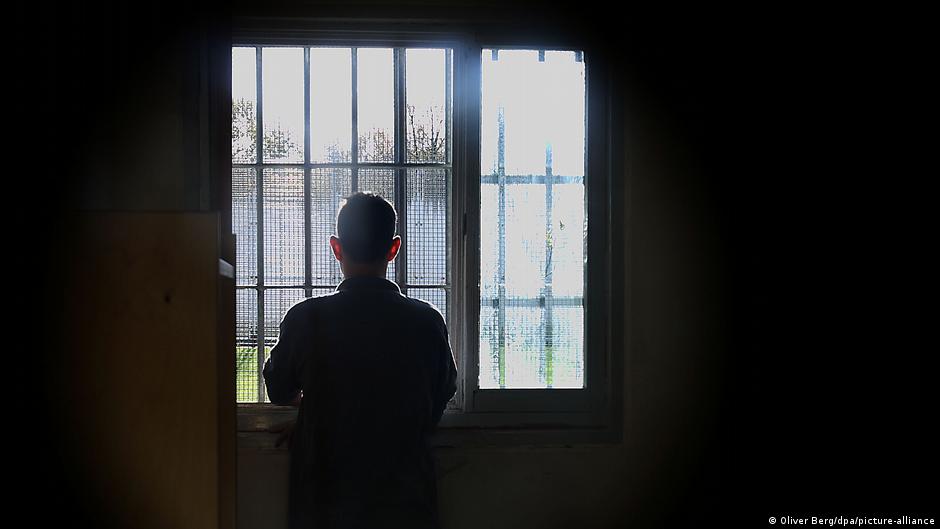
Children aged 13 and 14 should still be in school. But in Sweden , young teenagers are being recruited by criminal networks to carry out attacks and c
Read Full Story at DW World →Why This Matters
The debate over juvenile justice in Sweden reflects a deeper reckoning with how societies protect children amid rising systemic violence. When young teens—some still in early adolescence—are weaponized by organized crime, it exposes a breakdown in both social safety nets and the rule of law. The potential expansion of criminal liability for 13- and 14-year-olds isn’t just a legal shift; it signals a crisis where childhood innocence is being traded for survival in communities where state authority has frayed.
Background Context
Sweden’s reputation for progressive welfare policies has long shielded it from the kind of urban gang violence seen in other European capitals. But decades of underinvestment in marginalized neighborhoods—coupled with a surge in organized crime linked to drug trafficking and arms smuggling—have eroded those safeguards. The phenomenon of child recruitment into criminal networks is not new, but its scale and brutality have escalated alongside the normalization of violence as a means of dispute resolution in parts of the country.
What Happens Next
If Sweden moves forward with stricter penalties for young teens, it risks deepening the cycle of criminalization without addressing root causes like poverty, school dropout rates, and the lack of rehabilitation programs. The move could also spark backlash from child rights advocates who argue that punitive measures will push vulnerable youth further into the shadows. Meanwhile, criminal networks may adapt by recruiting even younger children or exploiting legal gray areas in cross-border operations.
Bigger Picture
This isn’t an isolated trend but part of a growing pattern across Europe, where gangs exploit societal gaps to groom minors as disposable operatives. Sweden’s dilemma mirrors broader struggles in countries like France and Belgium, where juvenile crime has become a proxy for deeper failures in integration and economic opportunity. The question now is whether Europe will prioritize prevention through education and social investment—or default to harsher enforcement that risks repeating past mistakes.





