Swiss voters reject 10 million population cap, early projections say
Voters in Switzerland have rejected a proposal to limit the country's population to 10 million, early projections suggest. Not all votes have been counted, but the current trend suggests 55% of part…
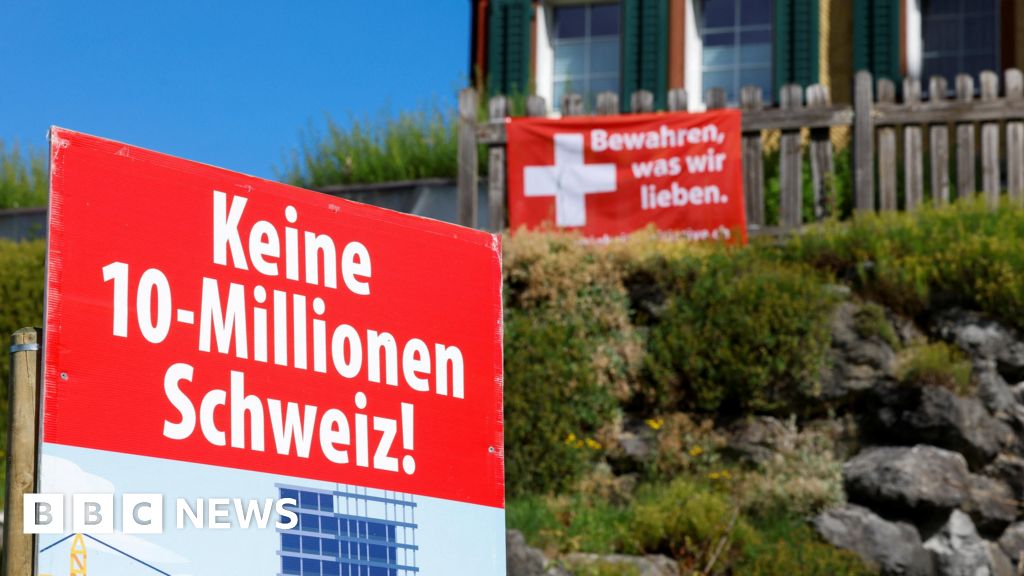
Voters in Switzerland have rejected a proposal to limit the country's population to 10 million, early projections suggest. Not all votes have been co
Read Full Story at BBC World News →Why This Matters
The rejection of Switzerland’s population cap proposal underscores a decisive stand against isolationist policies in an era when global migration flows continue to reshape national identities. The outcome signals that, despite public debate over housing, infrastructure, and cultural cohesion, Swiss voters prioritize openness over restrictive controls—setting a contrasting precedent in Europe where anti-immigration rhetoric has gained traction elsewhere.
Background Context
Switzerland has long relied on controlled immigration to fuel its high-skilled workforce, particularly in sectors like finance, pharmaceuticals, and engineering. The 10 million cap would have required constitutional changes to curb foreign labor growth, a move critics argued could undermine economic competitiveness amid labor shortages. Historically, Switzerland’s direct democracy allows voters to bypass political gridlock, but this case reflects tensions between economic pragmatism and nationalist impulses.
What Happens Next
While the proposal’s failure eases immediate pressure on labor markets, policymakers may now focus on targeted reforms to address housing shortages and urban congestion—key factors in the debate. Observers will watch whether the government accelerates integration programs or tightens controls on non-EU immigration, where quotas remain a point of contention. The result could also influence future referendums on asylum policies, testing the limits of Swiss balancing acts between sovereignty and global engagement.
Bigger Picture
This vote aligns with a broader European pattern where voters reject extreme measures despite rising populist pressures, yet it doesn’t resolve underlying tensions over identity and resources. As climate change and geopolitical instability reshape migration patterns, Switzerland’s approach may serve as a case study in whether pragmatic governance can outmaneuver divisive nationalism without sacrificing stability.






