Taiwan's Lai: Status quo is key to secure tech supply chains
Taiwanese President Lai Ching-te opened the COMPUTEX technology trade fair in Taipei on Tuesday, saying that maintaining the political status quo is the most responsible approach the island can take …
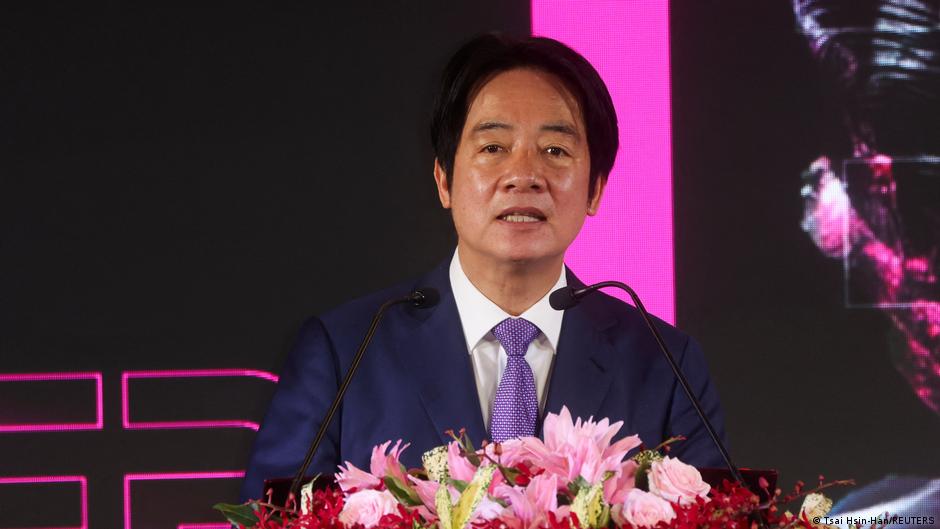
Taiwanese President Lai Ching-te opened the COMPUTEX technology trade fair in Taipei on Tuesday, saying that maintaining the political status quo is t
Read Full Story at DW World →Why This Matters
Taiwan’s stance on preserving the status quo isn’t just about geopolitics—it’s a lifeline for global supply chains. As the world’s semiconductor hub, the island’s stability directly impacts industries from smartphones to AI servers. By framing continuity as a strategic imperative, Lai signals that Taiwan’s role in tech isn’t negotiable, even amid rising tensions.
Background Context
Taiwan’s semiconductor dominance stems from decades of investment in manufacturing precision and talent retention. The island’s political identity has long been a balancing act between self-rule and Beijing’s claims of sovereignty. Trade fairs like COMPUTEX have become de facto diplomatic platforms, where economic leverage often overshadows military posturing.
What Happens Next
Expect Taipei to double down on infrastructure upgrades and diplomatic outreach to reassure allies. The real test will be whether Washington and Beijing read Lai’s message as a signal to de-escalate—or merely as a temporary pause in simmering tensions. Watch for shifts in investment flows if perceived stability wavers.
Bigger Picture
This moment reflects a broader fragmentation in global tech governance, where supply chains are increasingly weaponized. As nations scramble to secure critical materials, Taiwan’s dilemma highlights the growing intersection of industrial policy and national security. The outcome could redefine how democracies defend economic resilience against coercion.







