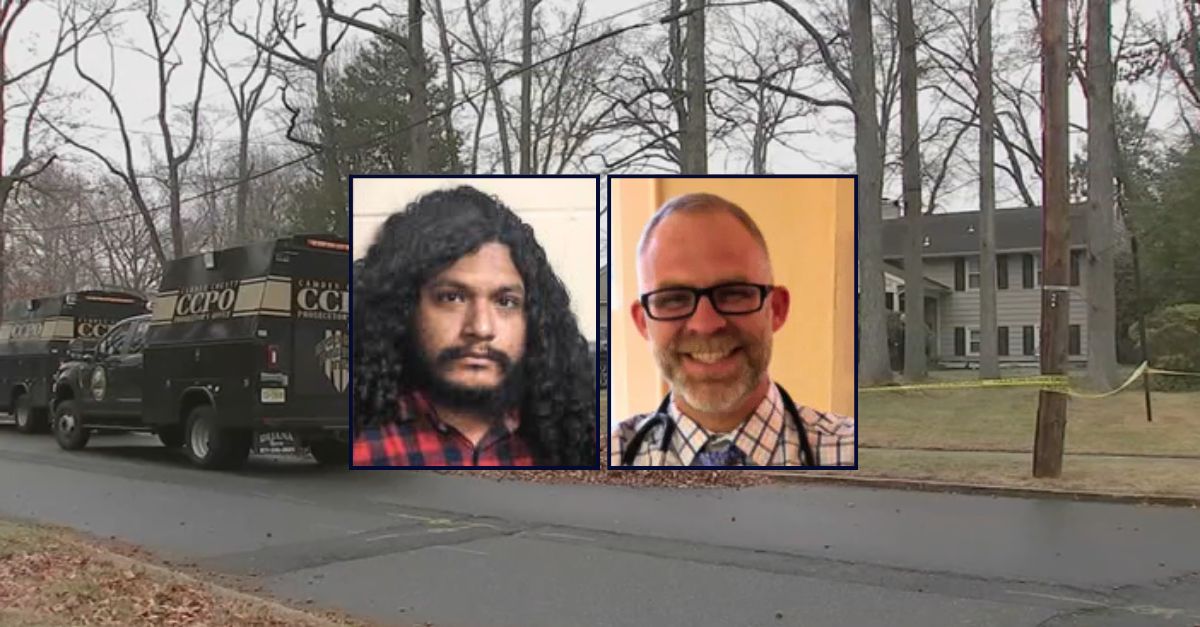
Teen finds his veterinarian dad stabbed in the head on their front lawn by man who killed him out of jealousy
An Oregon man will spend decades in prison after he stabbed a beloved veterinarian to death in New Jersey because he was jealous the victim was dating his former lover. The post Teen finds his veteri…
Law & Crime — 16 June 2026
Text:
19
0
0
An Oregon man will spend decades in prison after he stabbed a beloved veterinarian to death in New Jersey because he was jealous the victim was dating
Read Full Story at Law & Crime →
⚡ Quickyla Analysis
Original editorial context — not sourced from the article above
The brutal killing of a New Jersey veterinarian by a jealous former lover underscores a disturbing but underdiscussed pattern in intimate partner violence: the escalation of obsession into lethal harm, even when the target is a stranger to the perpetrator’s immediate conflict. While domestic violence is often framed as a private tragedy confined to a household, this case reveals how unchecked jealousy can spiral into public violence, leaving bystanders—including children—bearing lifelong scars. The fact that the victim was a community figure, known for his care of animals, makes the crime all the more jarring, as it shatters the illusion that professional success or personal kindness can shield someone from irrational rage.
What makes this story particularly chilling is the perpetrator’s apparent belief that his former partner’s new relationship justified murder. Jealousy-driven violence is not new, but its persistence despite legal and social interventions suggests deeper systemic failures. Studies show that many offenders in such cases exhibit warning signs—fixation, surveillance, or prior threats—but are often dismissed until it’s too late. This raises critical questions about how law enforcement, mental health systems, and even social media platforms (where obsessive behaviors often fester) can better intervene before violence erupts.
The broader trend here is the normalization of extreme reactions to perceived slights in a culture where personal grievances are increasingly aired publicly. Social media’s role in amplifying jealousy, coupled with a reluctance to label such behavior as criminal until it’s too late, creates a dangerous feedback loop. Meanwhile, the impact on the victim’s family—especially the teenager who discovered the crime—highlights the collateral damage of these acts, from psychological trauma to generational distrust of authority.
Moving forward, this case may spur calls for stricter measures against stalking and harassment, particularly when digital communication is weaponized. But without addressing the cultural acceptance of jealousy as a justification for harm, such tragedies will likely recur. The question now is whether society will treat this as an isolated crime or acknowledge it as a symptom of a larger failure to protect the vulnerable from the consequences of others’ unchecked emotions.
Sources

🚔 Crime & Justice
Dad and daughter crushed to death by bulldozer that rolled off truck, landed on their vehicle after driver failed to properly secure it
🚔 Crime & Justice
Boyfriend used surprise flowers to lure pregnant girlfriend outside, then shot her in the head just weeks before the baby was due, cops and friends say

🚔 Crime & Justice
Daughter drained mom's 'life savings' while keeping her locked away in bedroom, refused to change her dirty Pampers as she suffered from dementia and Alzheimer's: Cops
🚔 Crime & Justice
8-month pregnant woman kills other woman whose child was fathered by the same man

🚔 Crime & Justice
'He's gonna pay': Man lured embattled school board member outside his home by shutting off his power before trying to kill him, cops say
🚔 Crime & Justice
Immigrant detainees sue over 'horrific' conditions at Texas ICE facility

