Tensions with Iran add fresh uncertainty to an already shaky global economy
Tanker traffic in the Strait of Hormuz remains vulnerable after the U.S. and Iran ended their ceasefire. Oil prices, which had fallen to prewar levels, began climbing again, while stocks fell. Michael
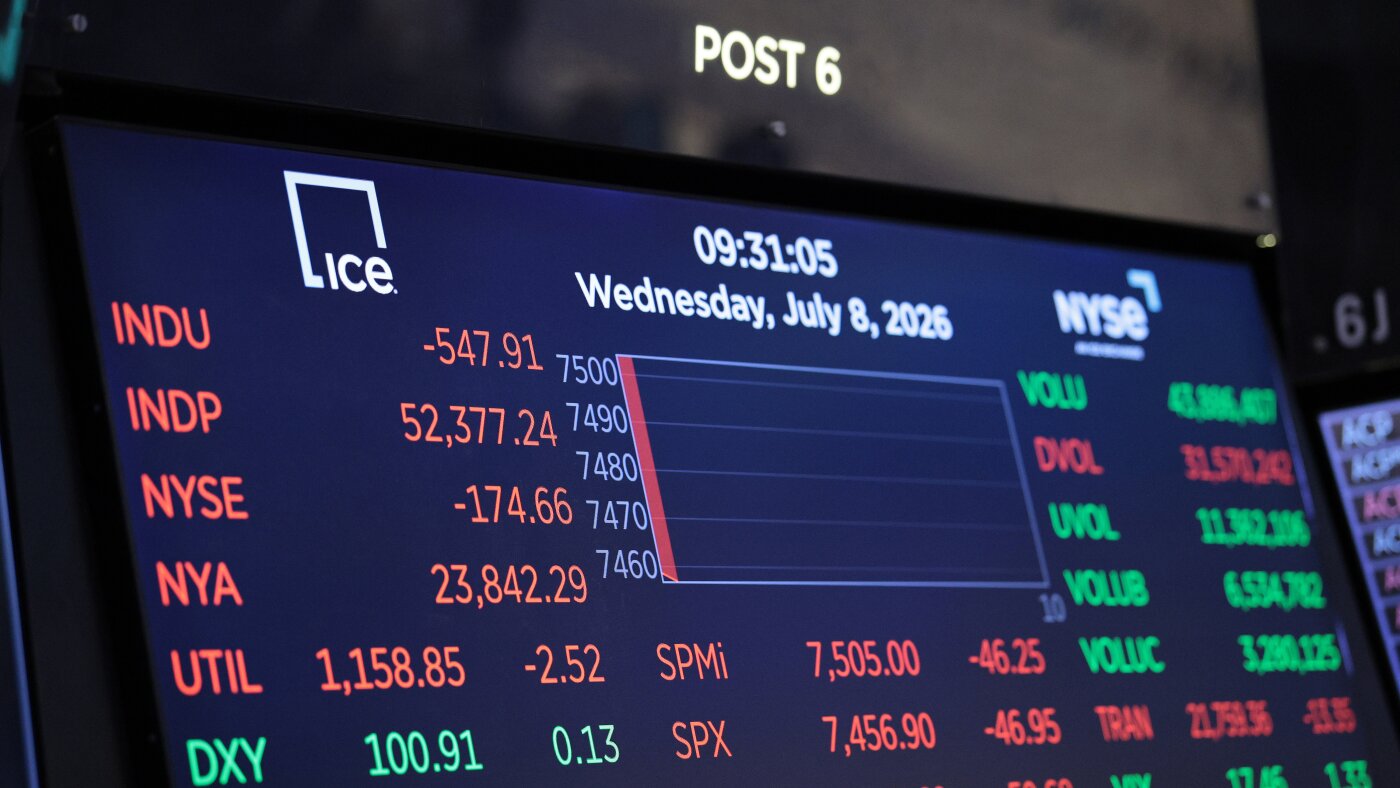
Tanker traffic in the Strait of Hormuz remains vulnerable after the U.S. and Iran ended their ceasefire. Oil prices, which had fallen to prewar levels
Read Full Story at NPR News →Why This Matters
The resurgence of tensions between the U.S. and Iran injects a new layer of volatility into an already fragile global economy, where energy markets and financial systems remain hypersensitive to geopolitical shocks. For consumers and businesses already grappling with inflation and supply chain fragility, even the perception of heightened conflict in a critical oil transit corridor can trigger immediate ripple effects.
Background Context
The Strait of Hormuz, through which roughly a fifth of the world’s oil passes, has long been a flashpoint, with Iran periodically threatening to disrupt traffic in response to sanctions or perceived provocations. The recent breakdown of the fragile ceasefire—itself a fragile arrangement born of earlier skirmishes—reflects deeper structural strains in U.S.-Iran relations, where neither side has shown willingness to de-escalate without concessions.
What Happens Next
Markets will likely remain jittery until there’s clarity on whether these tensions escalate into direct military confrontation or settle into a new, albeit tense, status quo. Oil traders will closely monitor shipping insurance costs and military patrols, while central banks may reconsider interest rate trajectories if energy-driven inflation re-emerges. The biggest wildcard remains whether regional proxies, such as Hezbollah or Yemen’s Houthis, could widen the conflict beyond direct U.S.-Iran exchanges.
Bigger Picture
This episode underscores how energy geopolitics is increasingly intertwined with macroeconomic stability, particularly as the world transitions—unevenly—to cleaner energy sources. It also highlights the diminishing effectiveness of temporary ceasefires in a region where structural grievances and great-power rivalries ensure that crises are never truly dormant, only deferred.