Tesla settles 2023 Arizona FSD crash lawsuit
Tesla settled a fatal 2023 Arizona crash lawsuit involving its Full Self-Driving system, the first known pedestrian death linked to the tech. This raises ongoing concerns about FSD’s reliability in po
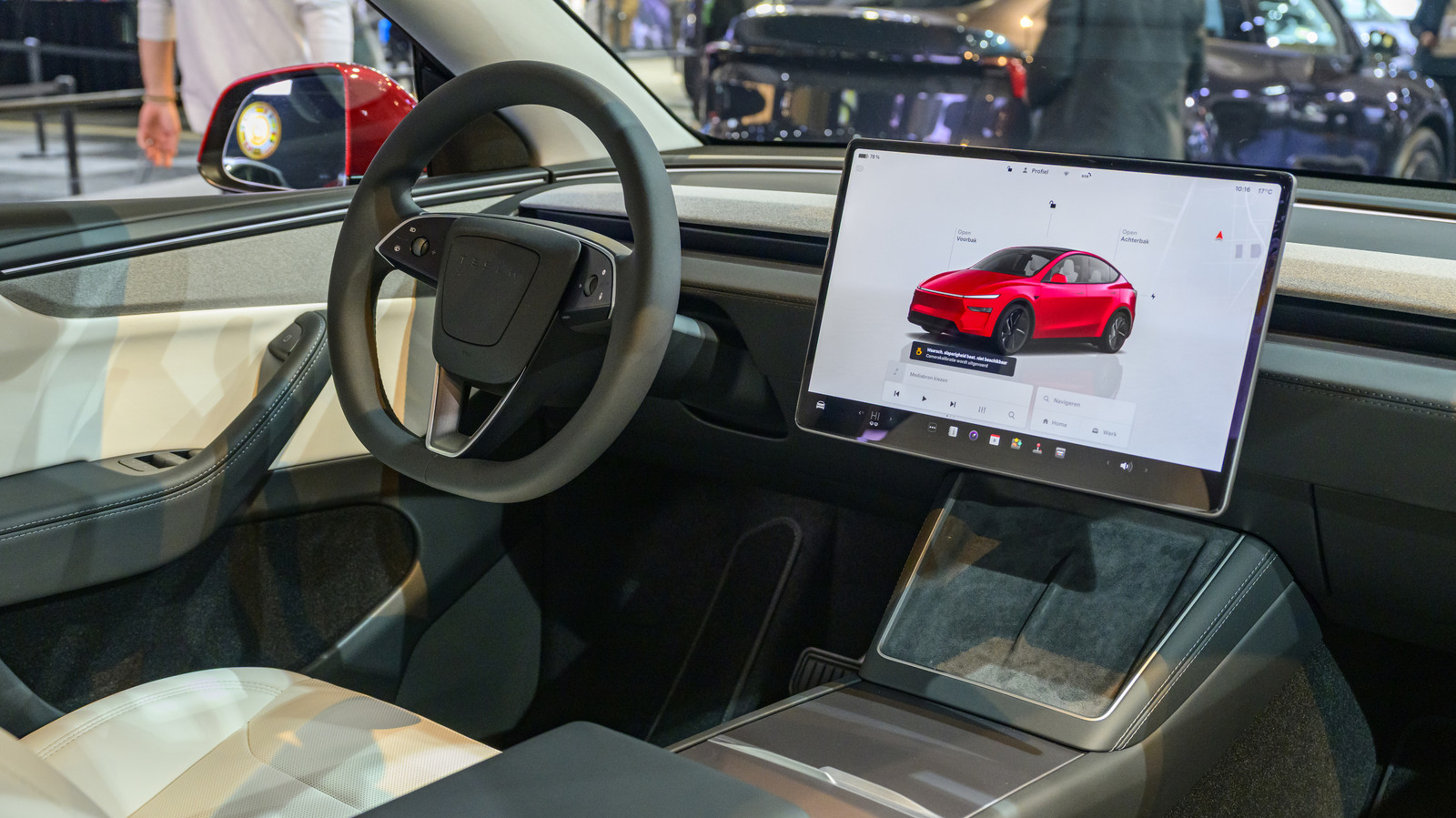
Tesla has quietly settled a lawsuit over a 2023 fatal crash in Arizona involving its Full Self-Driving (FSD) system, the first known pedestrian death
Read Full Story at Engadget →Why This Matters
The settlement marks a pivotal moment in the legal and ethical scrutiny surrounding autonomous vehicle technology, signaling that even experimental systems like Tesla’s Full Self-Driving (FSD) are not immune to liability when failures result in loss of life. It underscores a growing demand for accountability in an industry where innovation has often outpaced regulation, forcing a reckoning over whether safety claims match real-world performance.
Background Context
Tesla’s FSD has operated in a regulatory gray area since its inception, marketed as a driver-assistance tool while critics argue its name implies capabilities it cannot safely deliver. The Arizona crash occurred in broad daylight, raising questions about why a system trained on vast datasets failed to detect a pedestrian—a scenario where human drivers typically react instinctively. This case follows years of NHTSA investigations into Tesla’s overreliance on beta-testing methodologies that treat public roads as a testing ground.
What Happens Next
The settlement likely paves the way for more legal challenges, particularly as FSD adoption grows among non-Tesla drivers using the "Full Self-Driving" branding, which remains under investigation by the FTC. Regulators may accelerate efforts to define clear boundaries between driver-assistance and autonomous operation, while insurers could begin recalibrating premiums based on perceived FSD risk. For Tesla, the financial and reputational cost may force a pivot toward more conservative deployment strategies.
Bigger Picture
This case exemplifies a broader reckoning in the tech industry, where unproven AI systems are deployed prematurely under the guise of innovation, often with life-or-death consequences. As autonomous driving inches closer to mainstream adoption, courts and consumers are increasingly challenging the "move fast and break things" ethos, demanding transparency and tangible proof of safety before trusting machines with public safety. The outcome here could set a precedent for how all AI-driven technologies are regulated in the coming decade.




