Tether-Backed Adecoagro to Launch Sugarcane-Powered Bitcoin Mining in Brazil
Bitcoin Magazine Tether-Backed Adecoagro to Launch Sugarcane-Powered Bitcoin Mining in Brazil Adecoagro is set to begin Bitcoin mining operations in Brazil using electricity generated from sugarcane …
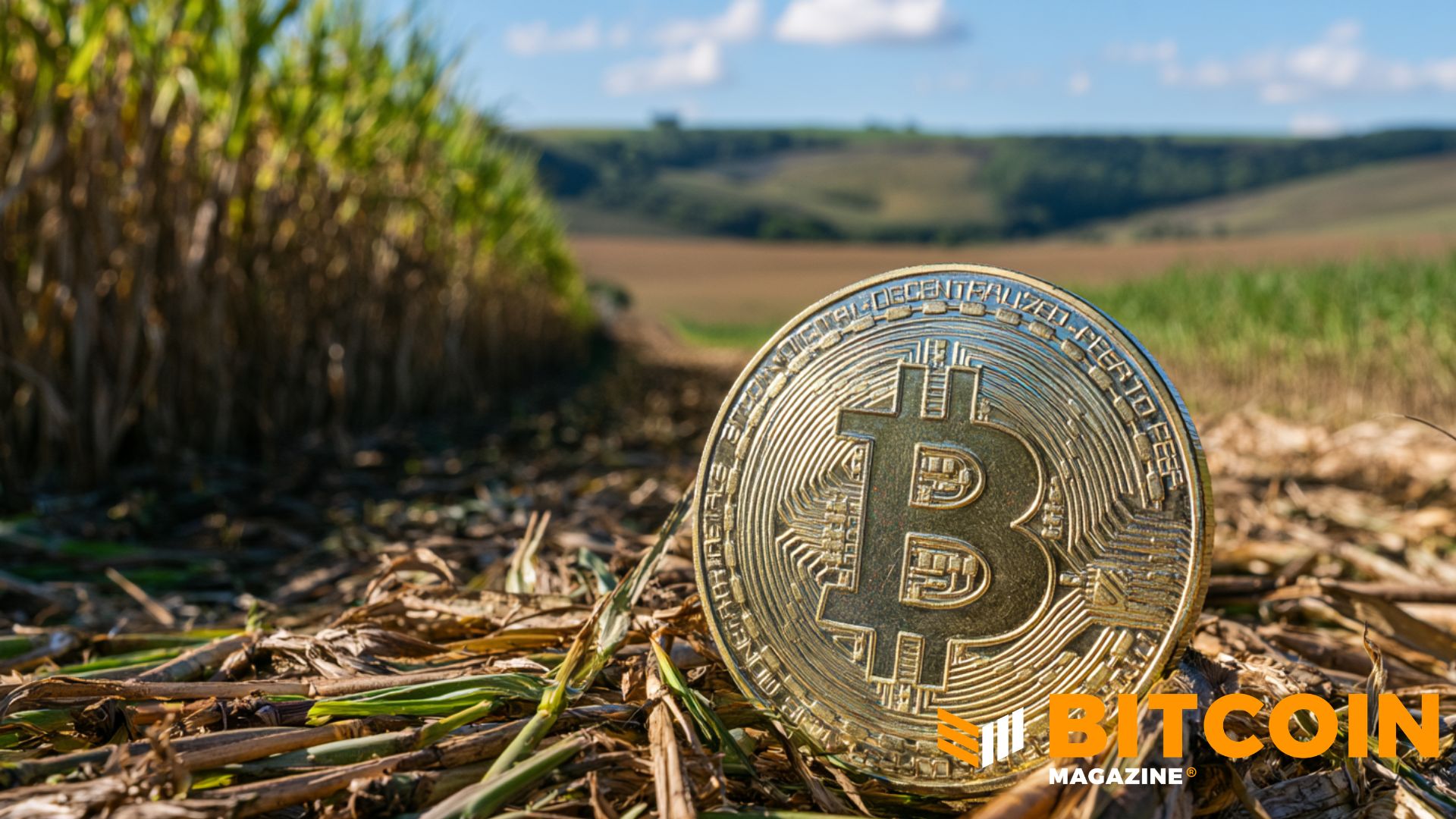
Tether-Backed Adecoagro to Launch Sugarcane-Powered Bitcoin Mining in Brazil Adecoagro is set to begin Bitcoin mining operations in Brazil using elec
Read Full Story at Bitcoin Magazine →Why This Matters
The intersection of Bitcoin mining and renewable energy is evolving beyond niche experiments into a strategic partnership that could redefine sustainable blockchain infrastructure. By leveraging sugarcane biomass—a long-established clean energy source in Brazil—Adecoagro isn’t just introducing a new revenue stream for ethanol producers; it’s potentially accelerating the decarbonization narrative of crypto operations, a sector often criticized for its environmental footprint.
Background Context
Brazil’s sugarcane industry has operated for decades as a dual-purpose sector, producing ethanol and generating surplus electricity from bagasse (the fibrous residue left after juice extraction). With Tether’s financial backing, Adecoagro is positioning itself at the convergence of two high-growth markets: green energy and digital assets, while navigating Brazil’s complex regulatory landscape for both energy and cryptocurrency.
What Happens Next
Expect competitors in Brazil’s ethanol and energy sectors to explore similar models, potentially triggering a wave of mergers or joint ventures between mining firms and agribusinesses. Regulatory scrutiny will intensify, particularly around claims of carbon-neutral mining and the allocation of renewable energy certificates, while local grid capacity constraints may determine the scalability of such projects.
Bigger Picture
This initiative reflects a broader shift toward "asset-backed" mining, where energy-intensive operations are directly tied to tangible, sustainable resources rather than speculative power sources. If successful, it could set a precedent for how industries integrate legacy agricultural assets into next-generation digital infrastructure, blurring the lines between traditional commodity markets and high-tech financial systems.




