💰 Business
Live
Thames Water moves step closer to nationalisation after government objects to rescue deal
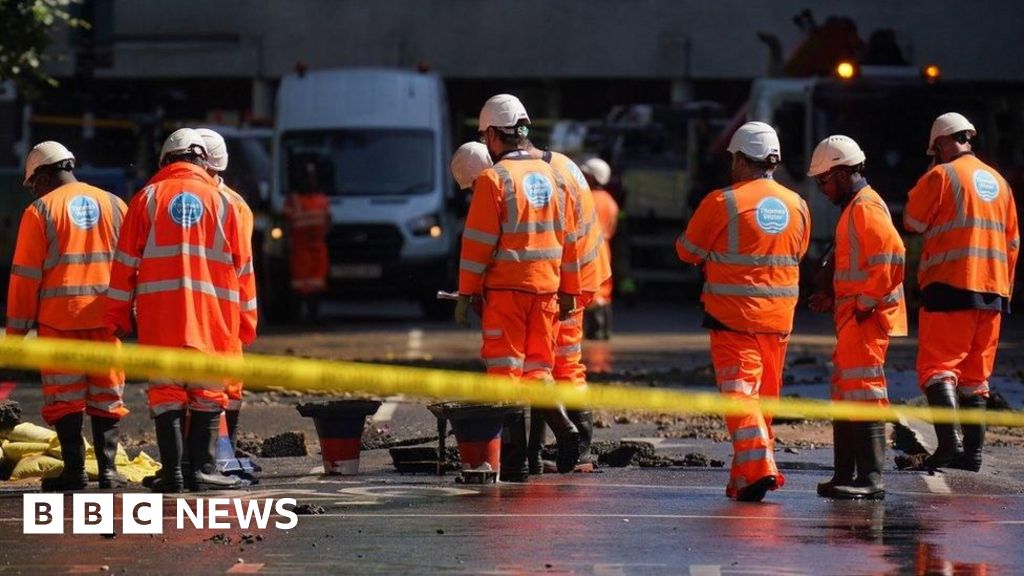
The government has objected to a proposed rescue deal for Thames Water, in a move which takes the UK's largest water company a step closer to a form of nationalisation. Environment Secretary Emma Re…
BBC Business — 15 June 2026
Text:
36
0
0
The government has objected to a proposed rescue deal for Thames Water, in a move which takes the UK's largest water company a step closer to a form o
Read Full Story at BBC Business →
⚡ Quickyla Analysis
Original editorial context — not sourced from the article above
The government’s objection to Thames Water’s proposed rescue deal marks a pivotal moment not just for Britain’s beleaguered water sector, but for the broader debate over infrastructure ownership in an era of climate stress and financial strain. At stake is far more than the fate of one company: it raises fundamental questions about whether essential utilities can be left to market forces when they fail on multiple fronts—leakage, pollution, and financial sustainability. Thames Water’s precarious position, burdened by £16 billion in debt and plummeting investor confidence, exposes the weaknesses of a privatised model that has delivered inconsistent service despite record profits for shareholders. The government’s intervention signals a reluctant acknowledgment that unchecked private ownership may no longer be tenable when the consequences of failure—flooded streets, contaminated rivers, and spiralling bills—fall squarely on the public.
This isn’t an isolated crisis. Thames Water is emblematic of a sector under siege, with decades of underinvestment, regulatory failures, and a revolving door between industry lobbyists and policymakers. The company’s woes follow years of scandals, from sewage discharges into protected waterways to executive bonuses amid plummeting service standards. The government’s objection to the rescue deal—likely citing concerns over financial stability and environmental performance—reflects a growing realisation that cosmetic fixes won’t suffice. Nationalisation, or a form of state control, may now be the only viable path to force the urgent upgrades needed to meet net-zero targets and protect drinking water from pollution.
What happens next remains uncertain. Will the government push for a full takeover, or opt for a hybrid model where it assumes oversight without outright ownership? Investors and bondholders will resist, while regulators face pressure to tighten oversight across the sector. Longer term, this could accelerate a rethink of utility privatisation, with parallels in energy and rail sectors where market failures have prompted calls for renationalisation. Yet the risk is that political expedience delays the structural reforms the industry desperately needs. One thing is clear: the Thames Water saga will set a precedent for how Britain handles the collision of climate crisis, financial fragility, and public service at a time when trust in institutions is already frayed.
Sources

💰 Business
How 'confused' AI rollout hurts firms and baffles staff

💰 Business
OpenAI let ChatGPT aid and abet mass shooters, Florida lawsuit claims

💰 Business
AI giant Anthropic announces plans to list on US stock market

💰 Business
Caribbean hot sauce producers warn of shortages and higher prices

💰 Business
Bill debt soars but many don't know help is available

💰 Business
Japan raises interest rate to highest since 1995

