The NTSB tries to keep cockpit audio recordings private. AI is making that harder
The NTSB is struggling to keep cockpit audio recordings private due to advancements in AI, which enable individuals to reconstruct audio from spectrograms inadvertently released during the investigat…
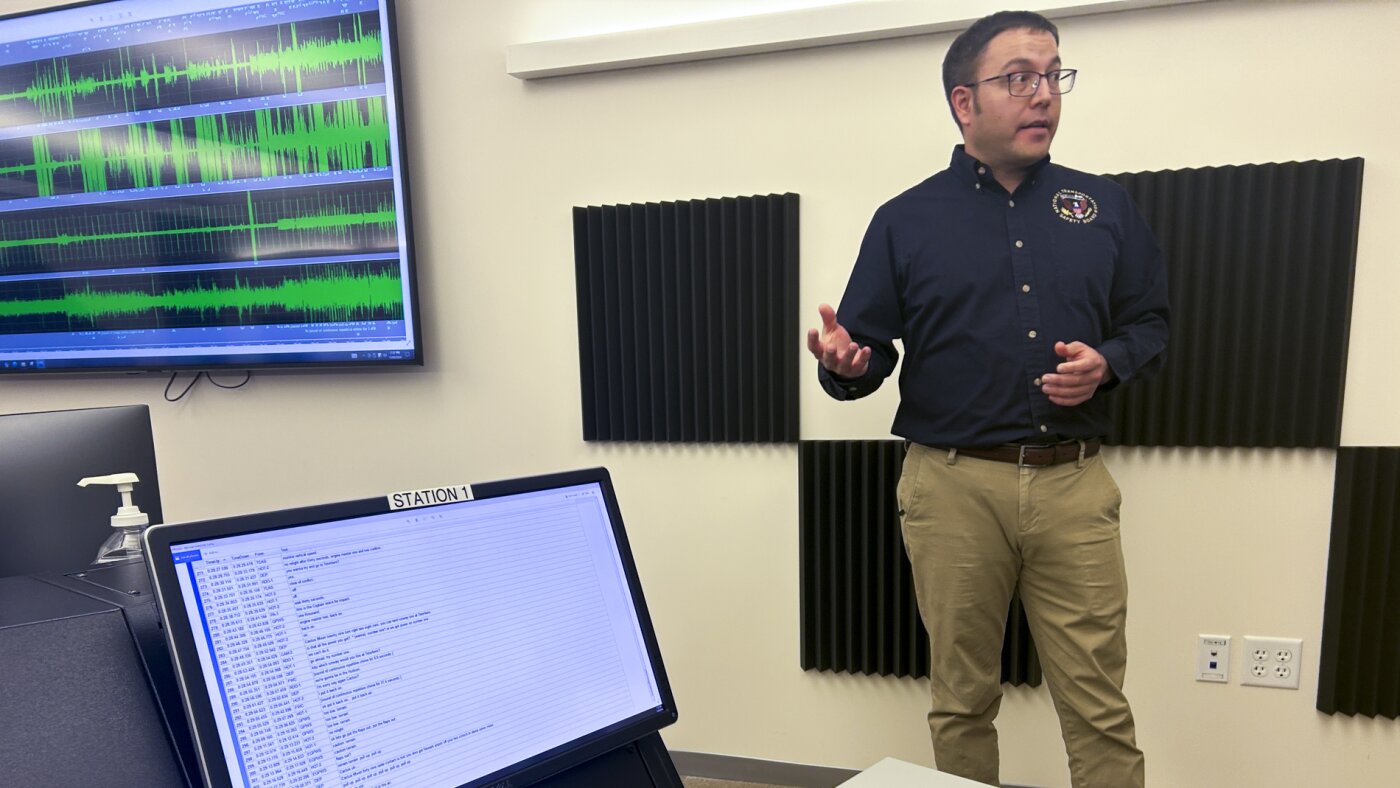
The National Transportation Safety Board (NTSB) recently faced a significant challenge regarding the privacy of cockpit audio recordings amid advancem
Read Full Story at NPR News →Why This Matters
The NTSB's long-standing practice of protecting cockpit audio recordings—critical for accident investigations—is colliding with the democratization of AI tools that can reverse-engineer sound from visual data. This tension strikes at the heart of aviation safety culture, where confidentiality has historically been non-negotiable to ensure candid crew communications remain untainted by public or legal scrutiny.
Background Context
Since its founding in 1967, the NTSB has treated cockpit voice recordings as sacrosanct, shielding them from subpoenas and FOIA requests on the grounds that transparency must yield to the need for honest disclosure during investigations. The rise of spectrogram-based audio reconstruction, popularized by tools like spectrogram inversion algorithms, now threatens this firewall—raising questions about whether technological progress is outpacing legal protections.
What Happens Next
Expect renewed calls for legislative updates to explicitly prohibit AI-based audio reconstruction of NTSB recordings, alongside potential legal battles testing the boundaries of "derivative works" under existing privacy laws. Meanwhile, the NTSB may accelerate internal reviews of how spectrograms are shared, possibly adopting stricter redaction protocols or even discontinuing visual representations of raw audio.
Bigger Picture
This dilemma reflects a broader collision between institutional secrecy and AI-driven transparency, echoing similar challenges in fields like medical research or law enforcement where sensitive data is increasingly vulnerable to reconstruction attacks. As AI tools grow more accessible, industries reliant on confidentiality will face mounting pressure to either adapt their safeguards or risk losing control over their most guarded information.



