The U.S. stockpiles oil in huge underground salt caverns. Here’s why
Inside the massive underground salt caves where the U.S. stashes its oil Salt, with its ability to seal liquid in, is uniquely suited to storing the nation’s Strategic Petroleum Reserve By Cody Cot…
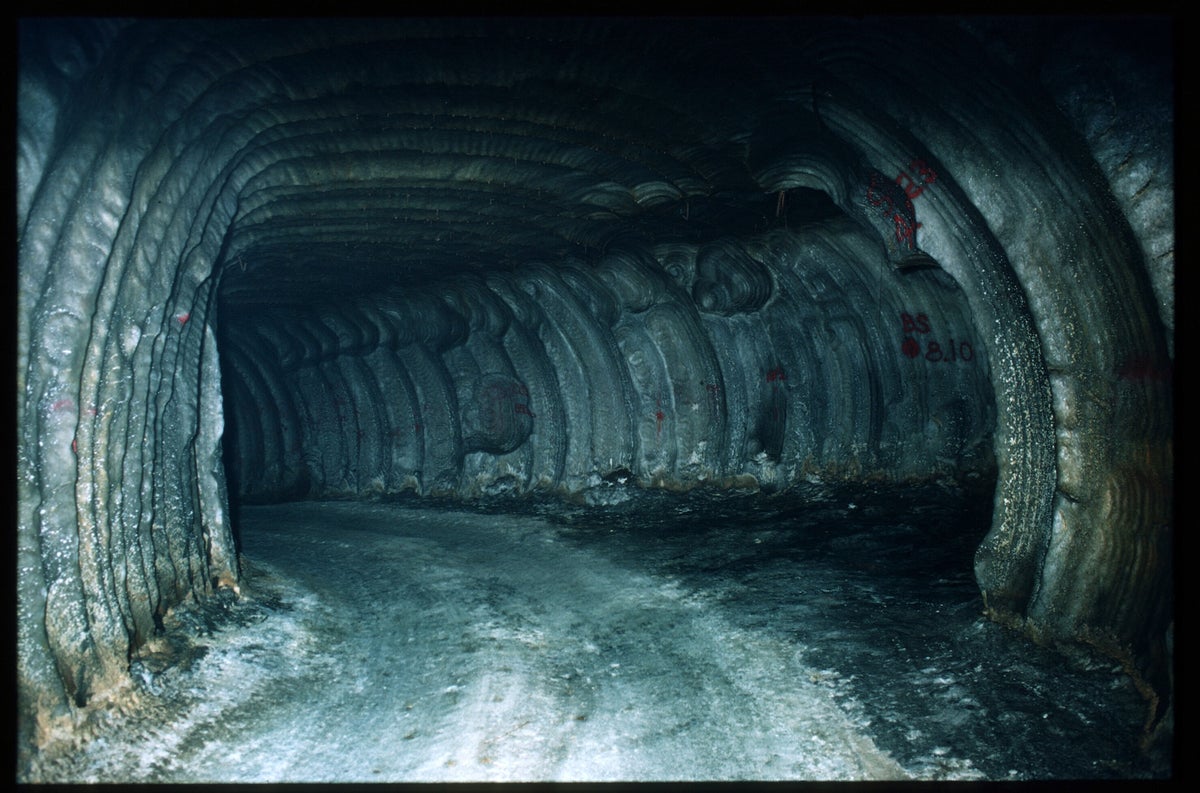
Inside the massive underground salt caves where the U.S. stashes its oil Salt, with its ability to seal liquid in, is uniquely suited to storing the
Read Full Story at Scientific American →Why This Matters
The U.S. Strategic Petroleum Reserve’s reliance on salt caverns is more than an engineering feat—it’s a silent guardian of economic stability. These subterranean vaults ensure that in times of crisis, whether geopolitical shocks or natural disasters, the nation can respond with strategic precision rather than scrambling to secure supply. The infrastructure itself underscores America’s long-term energy security strategy, which often operates below the public radar but remains critical to preventing price shocks and supply disruptions.
Background Context
The use of salt caverns for oil storage dates back to the 1970s, when the U.S. established the Strategic Petroleum Reserve in response to the Arab oil embargo. Unlike above-ground tanks, salt caverns—formed by the dissolution of underground salt deposits—offer natural containment, minimizing leakage and evaporation. Texas and Louisiana host the majority of these facilities, leveraging the region’s geology to create some of the largest artificial caverns in the world.
What Happens Next
As energy transition accelerates, the role of these caverns may evolve from emergency stockpiles to potential hubs for carbon capture or hydrogen storage. Meanwhile, maintenance costs and geopolitical pressures could push policymakers to reassess the reserve’s size and purpose, particularly if domestic production shifts toward renewables. Watch for federal funding debates and private-sector interest in repurposing these sites.
Bigger Picture
Salt cavern storage reflects a broader pattern of leveraging geological solutions for energy challenges, from nuclear waste repositories to compressed air energy storage. It also highlights the tension between short-term energy security and long-term decarbonization goals. Globally, nations with similar geologies—like Germany and China—are exploring salt caverns for energy storage, suggesting this infrastructure may become a cornerstone of 21st-century energy resilience.






